

Furnace running clean
The burner lights, the cabinet stays dry, and the exhaust pipe vents straight out without any staining around it. A furnace in this shape holds its cycle, warms the house, and shuts off instead of running long into the night.

Winter runs long here, and once the furnace starts in October it usually doesn't shut off again until spring. You've watched the bill climb before and you'd rather deal with it now than keep paying for it through January and February. The furnace is the one thing in the house working hardest all winter, so that's the place to look first.
A furnace that hasn't been serviced has to work harder to put out the same heat, and that shows up on the gas bill every month it runs. Dirty burners, a clogged filter or a dirty flame sensor all make the furnace cycle longer than it should to reach the temperature on your thermostat. A technician can clean and adjust the parts that cause that, so the furnace reaches temperature and shuts off instead of running long. Gas heat means the furnace itself, not the thermostat setting, is where most of the waste happens. Since gas is what heats most homes in Wyoming, keeping the furnace running the way it was built to run is the thing that actually moves the bill.




A furnace doesn't burn more gas because winter got colder. It burns more because something inside is making the job harder than it should be. The flame sensor tells the burner whether it's actually lit. When it's coated with residue, the burner shuts off almost as soon as it starts, and the blower keeps cycling without putting out much heat. The igniter has to get hot enough to catch the gas fast. A weak one means the furnace tries, fails, and tries again before it finally catches. Pull the filter out and hold it up to the light. If you can't see through it, the blower motor is pushing air against resistance all day, and that shows up as higher electric use even though the furnace itself is gas. Inside, the heat exchanger is doing the actual work of warming the air, and a crack there lets heat slip away before it ever reaches your ducts. Even the vents that bring in combustion air and carry out exhaust can slow things down if they're partly blocked, forcing longer burner cycles to hit the same temperature on the thermostat.


A furnace that's working too hard shows up in your house before it shows up as a number. Rooms farther from the furnace stay cooler than the thermostat setting while the blower keeps running past when it should shut off. You might notice the air coming out of the vents feels cooler than it used to, or that the furnace kicks on again faster after it stops. Some homes get a faint burning smell when dust builds up on a dirty heat exchanger. None of this fixes itself over a Wyoming winter that runs from October into spring. A furnace running longer cycles night after night for five or six months adds up on the gas bill long before anything actually breaks. The part that usually gives out first is the one under the most strain the whole time, and by the time you hear a bang or a smell that won't go away, you've already paid for months of a furnace working harder than it needed to.


A licensed local pro takes the request for your furnace tune-up.
Sending the form costs nothing.
The burner lights, the cabinet stays dry, and the exhaust pipe vents straight out without any staining around it. A furnace in this shape holds its cycle, warms the house, and shuts off instead of running long into the night.

Rust shows on the cabinet and the flue pipe, and the condensate line has started to sag or drip near the floor. A furnace in this shape is working harder to push the same heat through your ducts, and it shows up on the gas bill before anything fails outright.

You'll feel it before you see the bill. The thermostat says 70 but the bedroom at the end of the hall feels closer to 65, so you nudge the setting up and the furnace runs longer to chase it. That extra runtime is gas you're paying for without getting more heat in return. By February, with months of winter still ahead, that difference adds up.
There's also what you can't see. A furnace working harder than it should is wearing parts faster than it would otherwise, on a schedule nobody's tracking. A local contractor who services furnaces all winter long knows which parts tend to go first on units like yours, and what to check before the cold snap finds it for you. You'd be matched with one contractor, not several competing for the job, so the person who calls you back is the one who'll actually be doing the work.

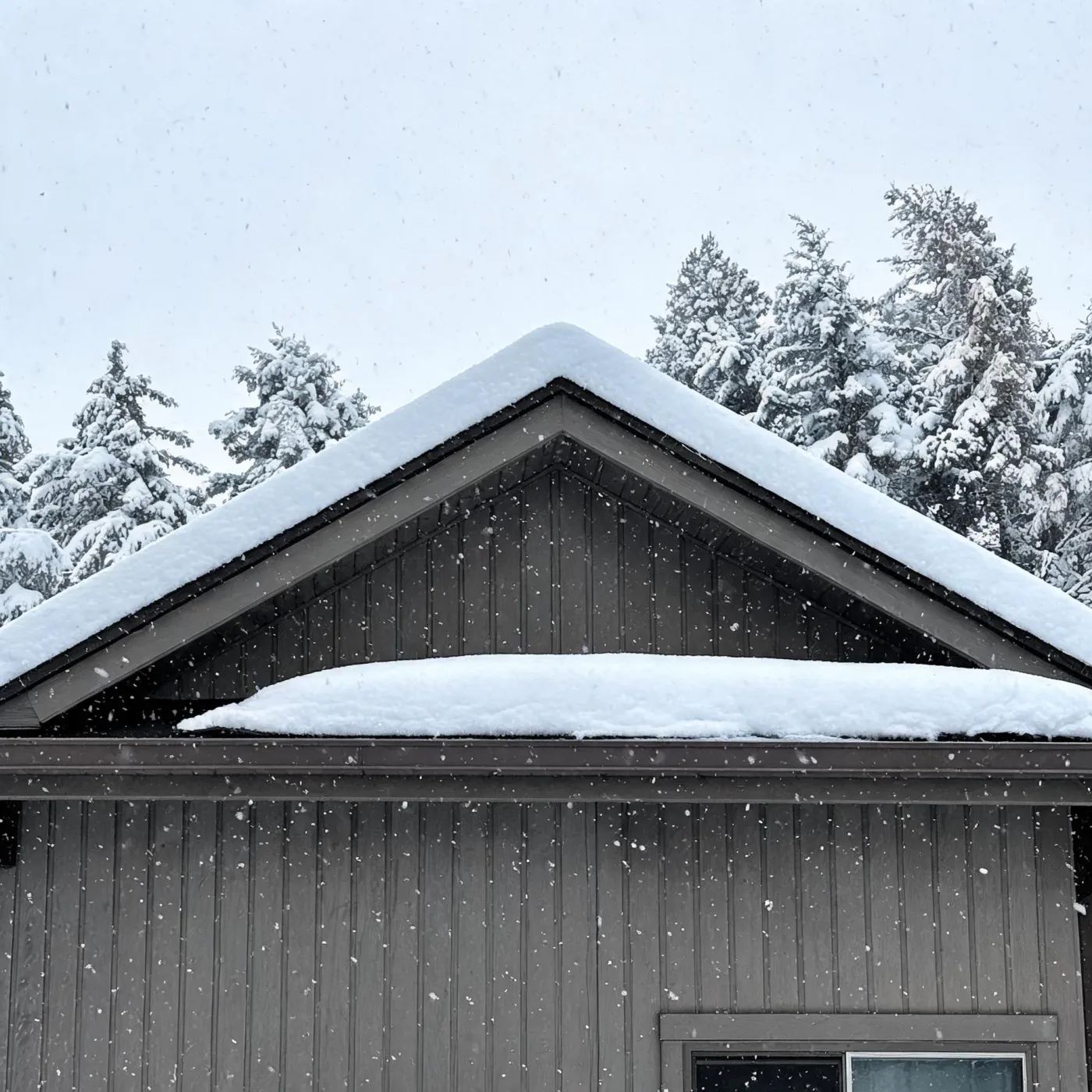
Winter nights across Wyoming average 13°F, according to NOAA. That's cold enough that your furnace doesn't cycle on and off through the night, it settles into long, steady runs to keep the house from losing ground. A furnace in good shape handles that fine. One with a dirty flame sensor or a cracked heat exchanger struggles to keep up, and you'll notice the house cooling off well before sunrise, or the furnace running almost nonstop trying to hold 68. That's the point where a tune-up before the cold sets in matters more here than almost anywhere else.
NOAA nClimDiv 1991-2020 county normals weighted by homes
Walk through your house in the evening and pay attention. A room at the far end feels a few degrees off from what the thermostat claims. The furnace kicks on and you can hear it running longer than you remember it used to, and when it finally shuts off, it starts again sooner than feels right. Maybe there's a faint burnt dust smell the first few times it fires each season, or a sound from the cabinet that wasn't there last winter. None of that is dramatic on its own. But a furnace running longer and more often to hold the same temperature is a furnace burning more gas to do it, and if something inside keeps wearing down unchecked, you're looking at a repair bill or a furnace that quits on the coldest week instead of the mildest one.
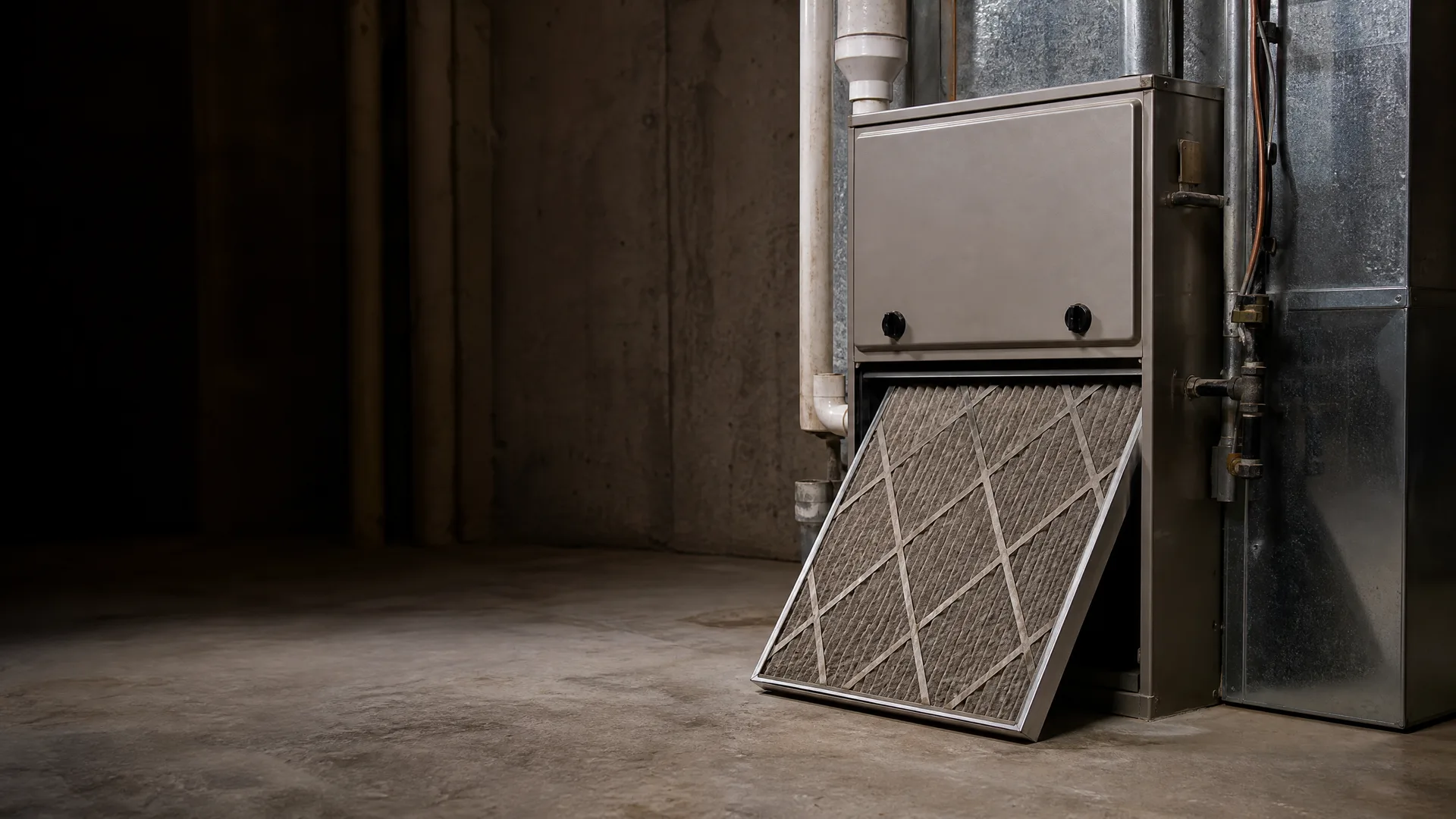
The afternoon light is already low by four o'clock in October, and you've got the basement door propped open to let some of it in while you check the furnace before the cold really sets in. You slide the filter out and it stops you for a second, the pleats packed grey, almost felted over, nothing like the white it started as. You hold it up toward the bare bulb to see if any light comes through and barely any does. Behind it the blower housing hums along, pulling air through what's left of the gaps. You set the filter on top of the cabinet and stand there a moment, thinking about how long it's actually been since you looked.
At 13 below zero to near zero most nights, your furnace spends the whole night in one long burn instead of cycling off and resting. A furnace that's worn or dirty has to push harder to hold that, and it shows up fastest on the coldest nights.
NOAA nClimDiv 1991-2020 county normals weighted by homes


Everything here points to the same thing. A furnace that's clean and tuned lights, heats, and shuts off on schedule, and the bill reflects that. One that's not does the opposite: longer burns, a blower that runs past when it should, a room down the hall that never quite catches up. You don't need the bill to tell you which one you've got. The house already has.
What changes the outcome isn't luck, it's who looks at the furnace and what they know to check. Wyoming winters put a furnace into long, steady burns for months at a time, night after night at 13 below to near zero, and a worn igniter or a dirty flame sensor shows itself fastest under that kind of load. A contractor who works on furnaces all winter in this state has likely already seen whatever yours is about to do. That's a different conversation than calling around for quotes. You get matched with one contractor, local to you, who takes it from there. No second company calling an hour later, no third bidding against the first.
October is the window. The furnace that gets looked at now, before the cold really settles in, is the one that holds its cycle through January instead of fighting it. That's the whole case: a clean furnace costs less to run than a dirty one, and the difference shows up both in how the house feels and in what you pay to keep it that way.





The pro who reaches out is licensed in Wyoming.
You're not committing to anything by asking.