
HVAC Repair in Cheyenne, WY
Homes here need heat from September through May and cooling from July through August. If your system quits, tell us what it's doing and a licensed contractor who covers Laramie County will get in touch.
Tell us about the job
It takes about a minute.
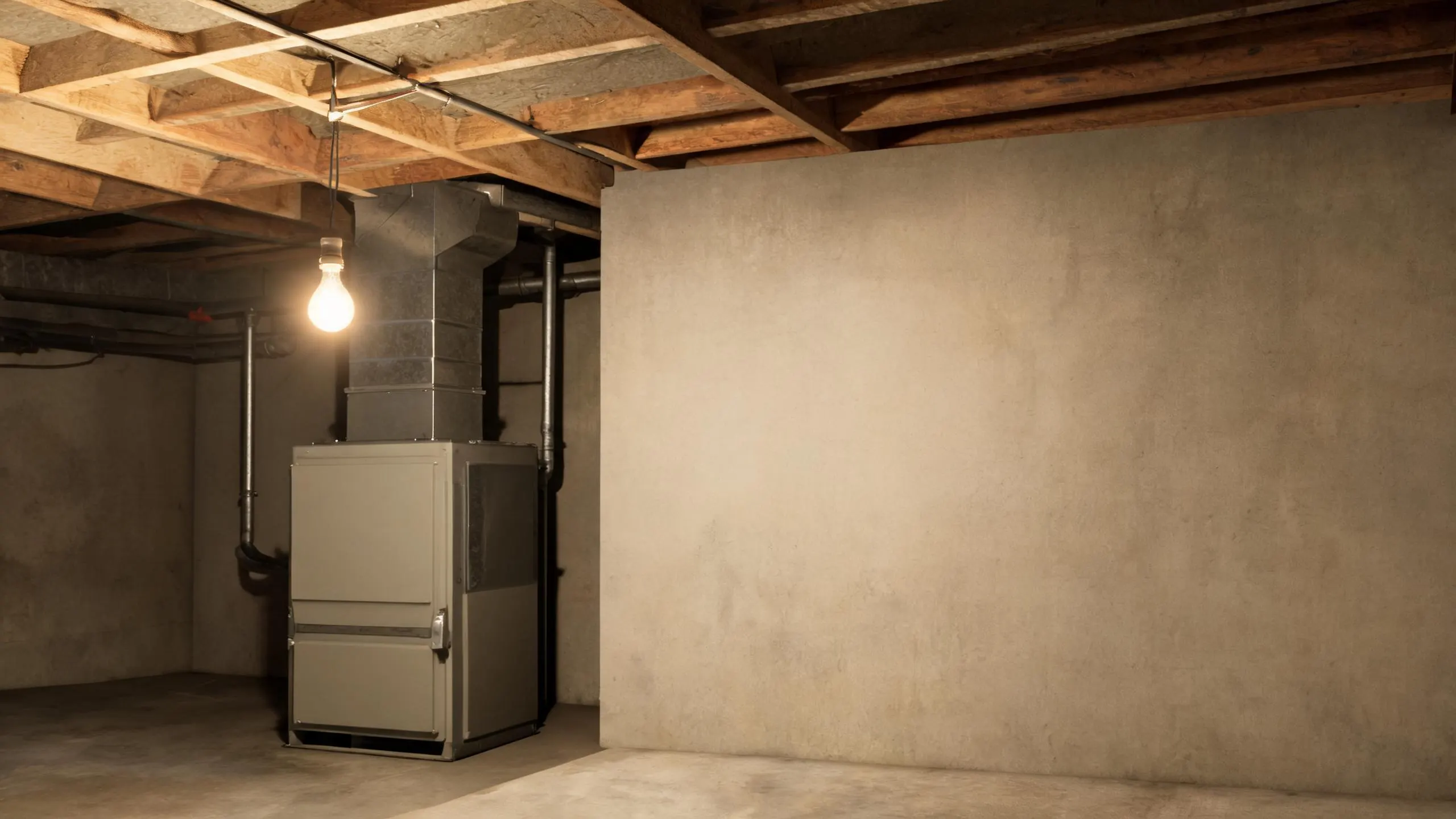
Nine months of heat, cold nights and hard wind
Your furnace carries this house from September through May, nine months of the year. On winter nights that average 16°F, it runs long and often, and every cycle puts wear on the igniter and the burner. When one of those parts finally gives out, it happens on the coldest nights, when the furnace is working hardest to keep up.
Cooling asks less of the system here, just July and August, with afternoons around 82°F. The outdoor unit still has to survive the weather in between. Laramie County has logged 382 winter storms and 1,869 damaging wind events over the past ten years, and wind like that can knock debris into the outdoor unit or work at the line connections. Power interruptions happen too. In 2024, 8% of Wyoming households went at least 24 hours without power. Most furnaces and air conditioners come back on by themselves once power returns. If yours doesn't, something else needs a look.
- 9 months
- September through May, your system heats
- 2 months
- July through August, it cools
- 16°F
- the average winter night it heats against
- 82°F
- the average summer afternoon it cools against
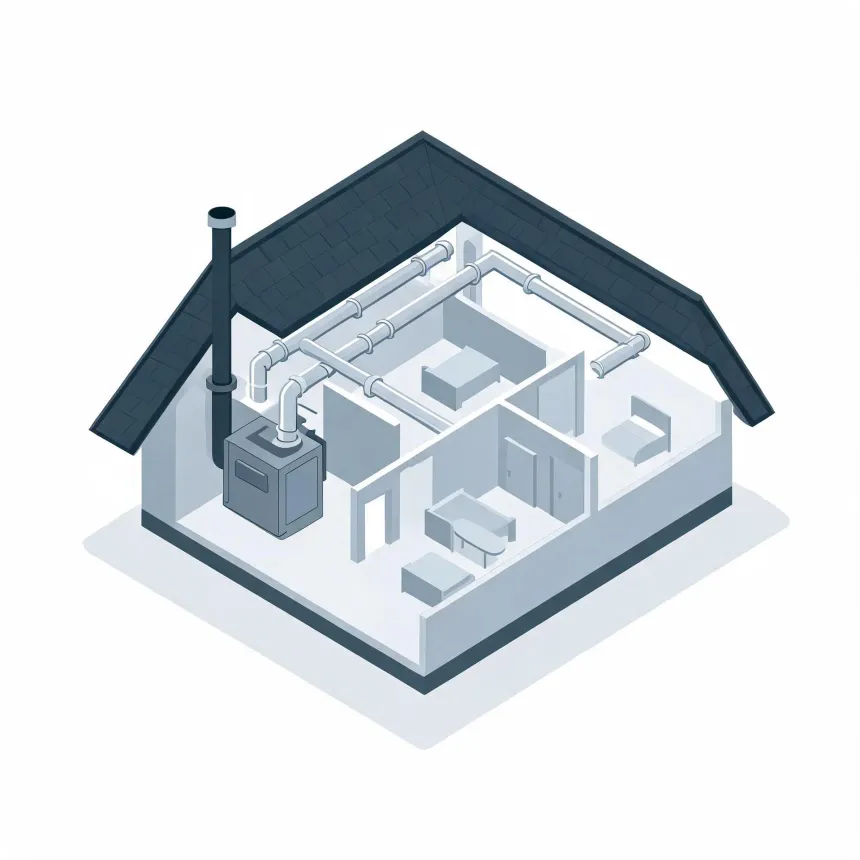
NOAA nClimDiv, 1991–2020 normals
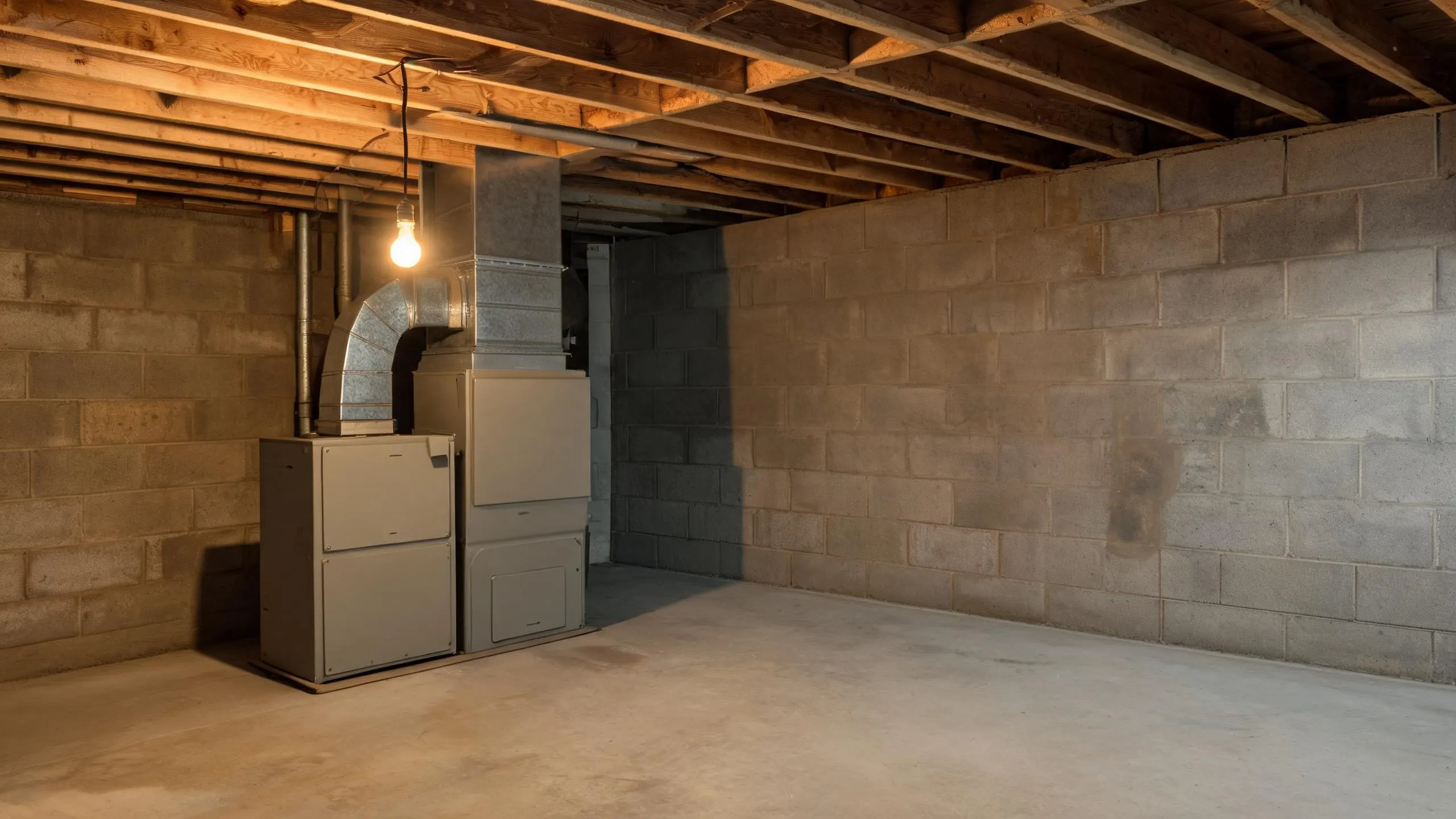
A new furnace and air conditioner would cut about $140 a year off heating and cooling for a typical Laramie County home.
Estimates for a typical Laramie County home, compared with an older unit built to the previous federal minimum, from EIA household energy data, Wyoming fuel prices and NOAA climate normals. Your home will differ.
Repair makes sense when one part has failed.
Replacement makes sense when the furnace's heat exchanger is cracked, the air conditioner's compressor has failed, or repairs keep coming.
- Why is my heat not working?
- Most of the time it comes down to the thermostat, the igniter, or the power getting cut off somewhere along the line. Check that the thermostat is set to heat and the temperature is above room temperature, and check the breaker for the furnace. Gas furnaces often fail at the igniter or the flame sensor, since those wear out over years of use. If the furnace has power and gas but still will not fire, that points to a part that needs a contractor to test and replace. With winter nights here averaging 16°F, it is worth checking these things quickly rather than waiting.
- Why is my system running but not cooling the house?
- If the blower is moving air but the air is not cold, the problem is usually a dirty filter, low refrigerant, or a frozen coil. A clogged filter starves the system of airflow, and the coil can ice over as a result. Check the filter first and replace it if it looks gray or packed with dust. If the filter is clean and the air still is not cold, that usually means refrigerant or a coil issue that needs a contractor to diagnose.
- What can I check before calling for HVAC repair?
- Start with the thermostat. Make sure it is set to the right mode and the temperature is set past what the room already reads. Check the breaker box for a tripped breaker, since a lot of no-heat and no-cool calls trace back to power rather than the equipment itself. Look at the filter and swap it if it is dirty, since a blocked filter can shut a system down or make it run without doing much. If the outdoor unit is covered in snow or debris, clear it, since blocked airflow outside stops the system from working right. If everything checks out and the system still is not working, a contractor will need to look at the parts inside it.