Profile view of a bearded man wearing a dark baseball cap and a dark gray T-shirt against a plain off-white background.

Signs your air ducts need cleaning in Wyoming

Duct and vent cleaningDucts or ventsWyoming
Step 1 of 2

What ZIP code is the job in?

What are the signs your air ducts need cleaning?

You've noticed something, maybe dust settling faster than it used to, or a musty smell when the furnace kicks on, and you're wondering if it's time to get the ducts looked at before it turns into a bigger problem. With Wyoming's dry summers and a furnace running most of the winter, it helps to know what to actually look for instead of guessing.

Dust, a musty smell, and uneven airflow are the main signs

Dust that collects again within a day or two of cleaning, a musty smell when the furnace or AC first kicks on, and rooms that get less air than others are the clearest signs. Dry air here pulls dust through the house easily, and that dust settles inside the ductwork as much as on your furniture. Gas furnaces run for months at a stretch over the winter, pushing that same air through the system over and over. If you or anyone in the house has started sneezing more at home than elsewhere, or you can see dust blowing out of the vents when the system starts up, those point to the ducts rather than the house itself.

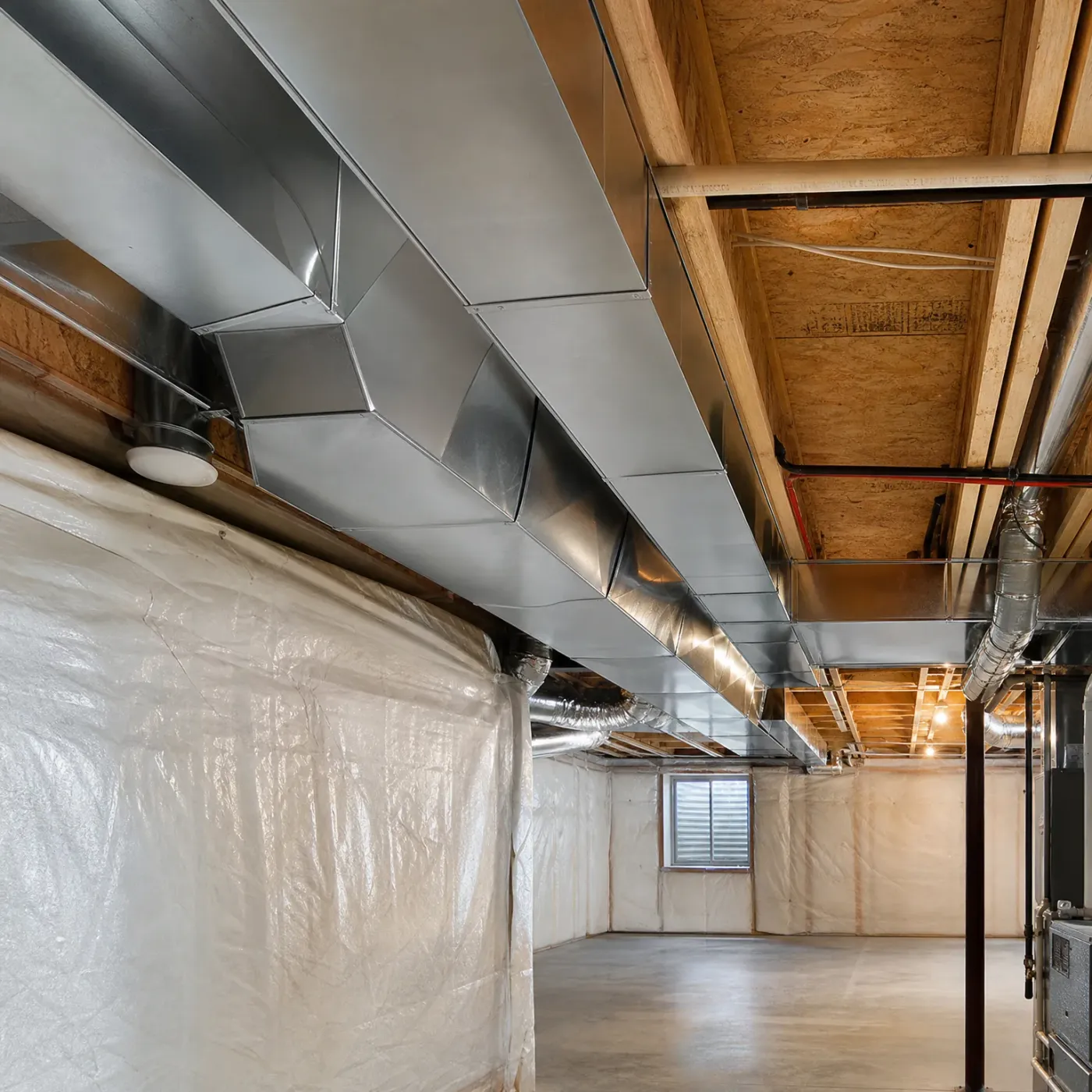
Unfinished basement with concrete walls and floor, a steel beam on posts, and exposed wooden joists with sheet-metal ductwork and piping overhead.

Ducts running clean

Air moves through the system without carrying anything extra with it. No dust shadows around the vents, no smell when the furnace kicks on. The joists and foundation stay dry, and the metal itself stays clear instead of lined with buildup you can't see from the vent cover.

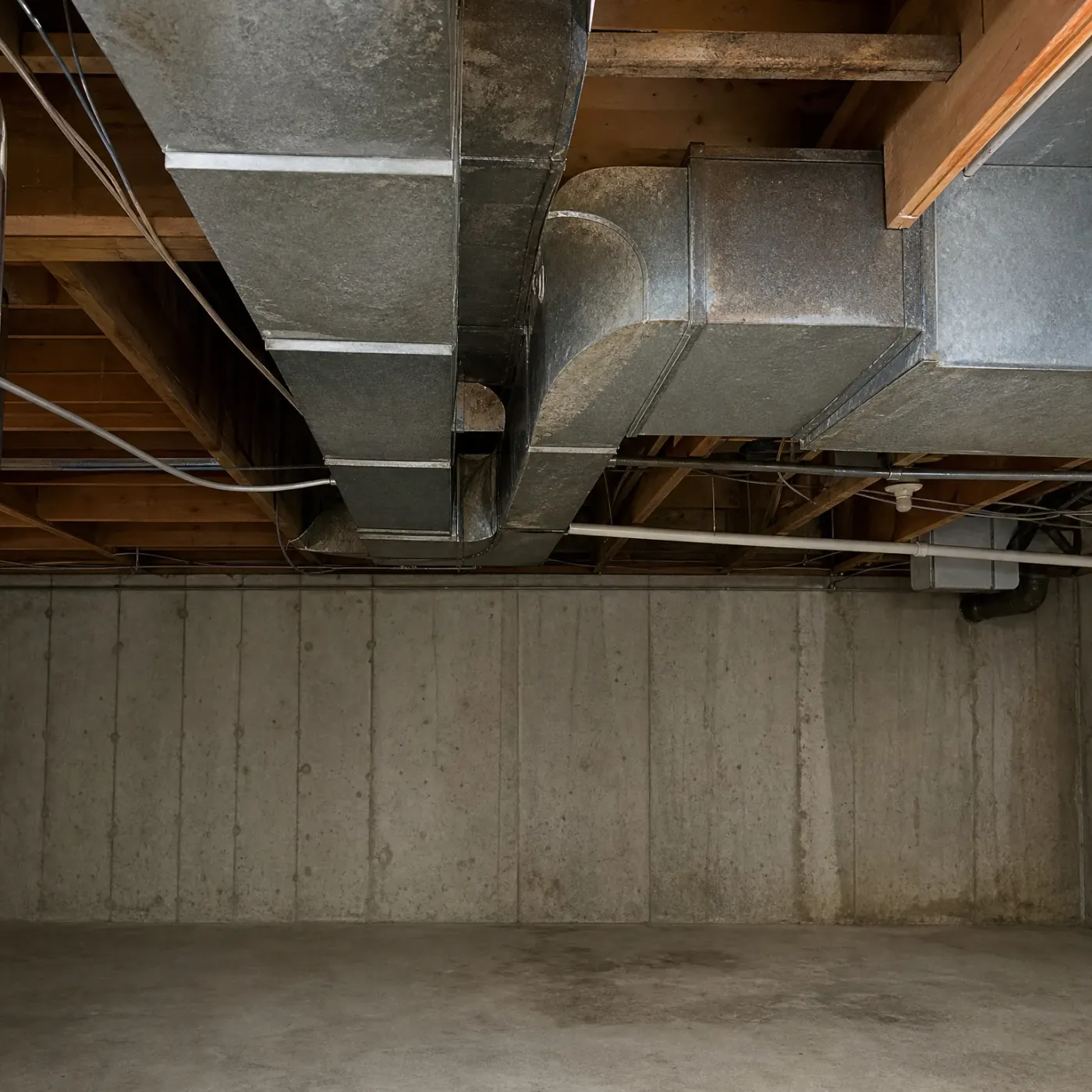
Unfinished basement with bare concrete walls and floor, and galvanized sheet-metal HVAC ducts, pipes and wiring running along the wood-joist ceiling.

Ducts in trouble

Dust has built up inside the metal where you can't see it until it works loose. Registers near the wiring and pipes blow harder than ones further down the line, or barely blow at all. That uneven pull through the ductwork is often the first clue something inside needs attention.

Why does dust keep coming back after you clean?

You run a cloth over the end table and by next week it needs it again. That's air coming out of your vents carrying more than it should. Check the supply registers and you might find a gray ring building up around the edges. Some homes get a musty smell right when the furnace starts a cycle, especially after the system has sat idle through a dry Wyoming summer. If anyone in the house has been sneezing more or waking up stuffy, the ducts are worth a look before it gets written off as allergies. Dust and debris moving through the system also settle on the blower wheel and coil over time, and that buildup makes the furnace work harder to push air through the house.

A smiling man in a green long-sleeve shirt stands at a dark kitchen counter with a ceramic mug, with wood cabinets, white tile backsplash, and a window and dining table behind him.
A smiling man with wavy dark hair and a beard, wearing a navy sweater, sits at a kitchen counter with a gray mug, with a dining table, potted plant and windows behind him.
A bearded man in a dark green sweater smiles and looks to his right while seated at a white kitchen counter with a gray mug, with windows and greenery behind him.
A smiling man in a dark navy sweater stands in a home interior beside a counter with a white mug, with a kitchen, hallway and potted plant in the background.

One request and it's handed off

Answer a few questions about the duct cleaning and skip the search.

You're not committing to anything by asking.

How a duct cleaning actually works

  • Dust in a duct system doesn't just sit, it rides the return air back through the blower and out every supply register in the house.
  • A contractor doing the job runs a brush or whip through each branch line first, to knock loose what's stuck to the sheet metal before any vacuum turns on.
  • The real suction happens at one point, usually cut into the main trunk line, with a hose run from a truck-mounted vacuum outside.
  • Negative pressure pulls air inward through the whole system while the brushwork is happening, so loosened dust gets drawn toward that one hole instead of settling in the next branch over.
  • Registers and grilles come off and get cleaned apart from the ductwork, since they collect their own buildup on the louvers.
  • Gas furnaces push the same conditioned air through these same ducts for heat in the winter, so whatever's built up moves no matter which the furnace or the AC is running.

A contractor doesn't just stick a vacuum in one vent and call it done. The work starts branch by branch, with a brush or a whip run through each line to break loose what's stuck to the inside of the metal. That stuff doesn't come out on its own. Dust and debris cling to sheet metal, especially at seams and turns, and knocking it free is most of the job before any suction happens. The actual vacuum connects at one point, usually a hole cut into the main trunk line, with the hose running out to a truck parked outside. While the brushwork moves from branch to branch, the system is under negative pressure the whole time, so whatever gets knocked loose gets pulled toward that one opening instead of drifting into the next run over and settling there. Registers and grilles get pulled off and cleaned separately, since the louvers trap their own layer of dust that the duct cleaning itself won't touch. None of this depends on whether the furnace or the air conditioner is running. Gas furnaces push heated air through the same ducts all winter that the AC pushes cooled air through all summer, so whatever's sitting in that ductwork moves through the house either way, no matter the season.

A bearded man in a navy t-shirt sits on a beige sofa, laughing while looking toward a laptop screen visible in the lower foreground, with a houseplant, shelves, and a framed picture behind him.
A man with graying hair and a beard in a plaid flannel shirt stands indoors looking out a frosted window at snow-covered trees, with a ceramic mug on the sill.

Wyoming's dry summer air keeps dust loose instead of letting it clump, so it moves through the ducts easily and settles everywhere the air reaches, not just near the vents.

That's why the gray ring around a supply register can show up again within weeks of a cleaning if the source feeding it, a dirty filter or a gap in the return line, never got fixed.

Power costs 13.37 cents per kilowatt-hour statewide

At 13.37 cents a kilowatt-hour, running the blower longer than it needs to costs you something every month. A duct system clogged with dust makes the furnace fan push harder and run longer to move the same air through your house, and that shows up on the bill before you ever see the dust itself.

EIA-861 2025 statewide residential average

The signs are the ones already in front of you: dust that comes back days after you wipe it away, a musty smell when the furnace kicks on, a gray ring around the supply registers. Wyoming's dry air keeps that dust loose, so it travels through the whole house instead of staying put, and it keeps showing up until the ducts themselves get cleaned out. Once you've seen two or three of these, you're not guessing anymore. What's left is finding someone qualified to run a brush through the branch lines and pull what's built up out of the system, and that part is usually the slow part, calling around, explaining the same thing to each one, waiting to hear back, trying to tell which quote is actually fair. Send the form and that search is off your plate. You'll still need the work done, but you won't be the one tracking down who can do it.

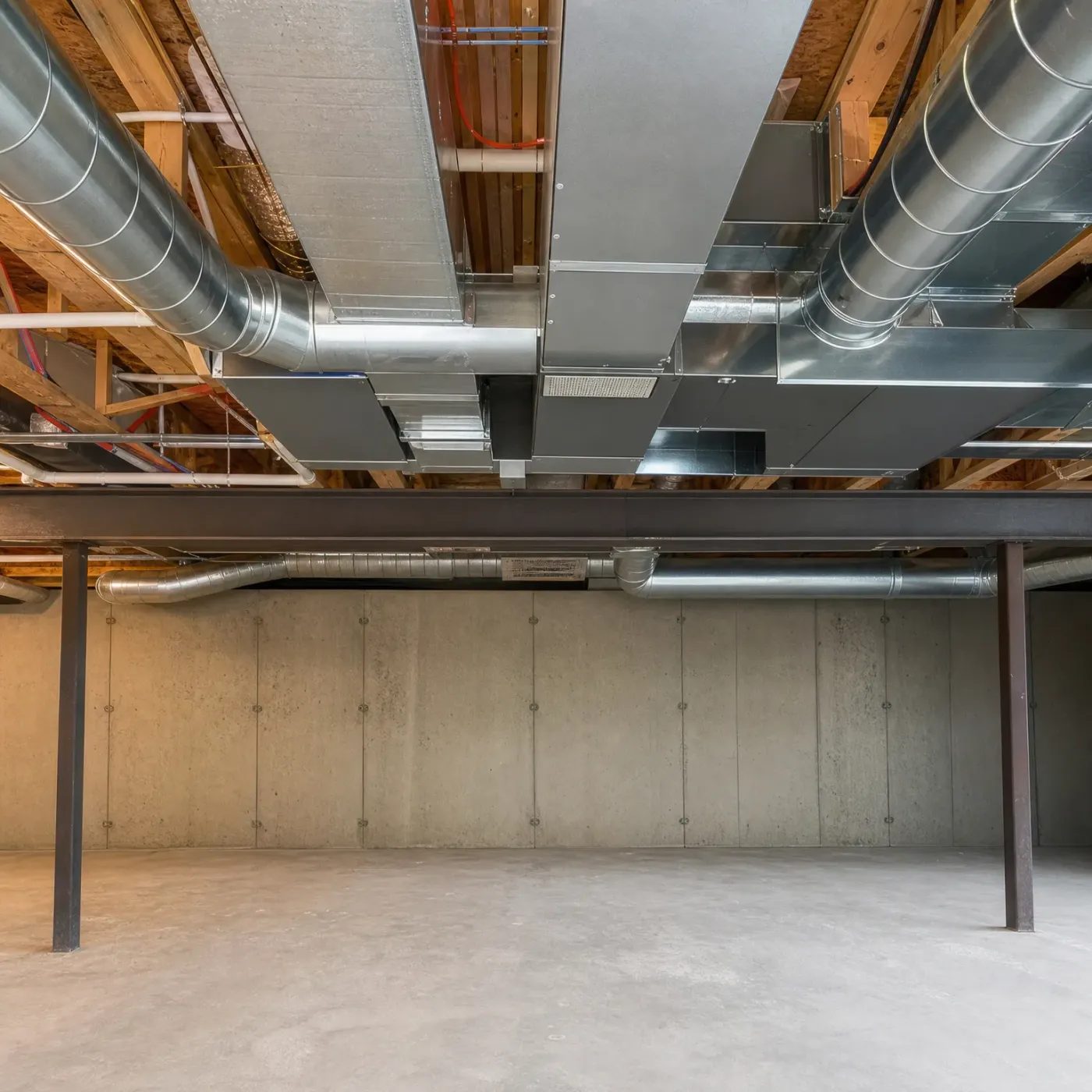
Unfinished basement with exposed wood floor joists, large sheet-metal HVAC trunk ducts, flexible insulated ducting, plastic sheeting over insulated walls, a small window, and a concrete floor.

Done looking for a duct system pro

Skip the search

Answer a few questions instead of calling shop after shop.

It costs nothing to send, and you don't have to hire anyone.