Living with it
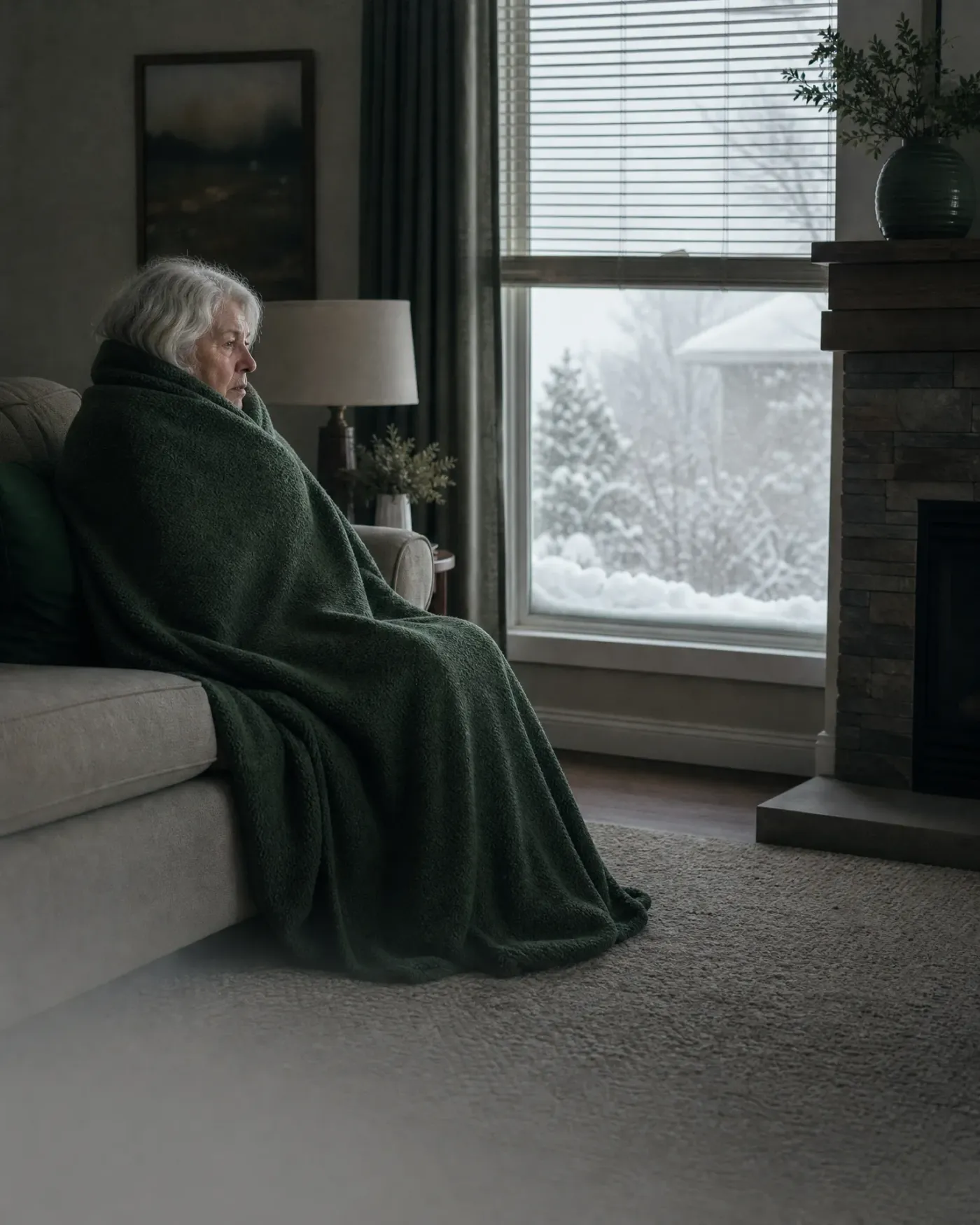
You keep adding blankets, running a space heater upstairs, and closing doors to rooms nobody uses. The furnace runs the same amount of gas every month while the second floor never catches up.
Heat that never reaches the second floor usually means your furnace and ductwork are losing the fight against a taller column of air. Warm air rises and cold air sinks, so upstairs rooms pull cold air in low and push warm air out high, while the furnace below struggles to keep up. In a lot of Wyoming homes the ducts running to the second floor are longer and narrower than the ones feeding the main floor, so by the time that heated air travels up, it has lost a lot of its push. A clogged filter, a duct that's come loose in the attic or crawlspace, or a blower that's not moving enough air all make this worse. It's not something you fix by turning the thermostat up. A furnace technician can measure airflow at each register and tell you whether the fix is in the ducts, the blower, or the balance between floors.

The branch lines running up to the second floor are longer and often narrower than the ones feeding the main floor. Air loses heat the farther it travels, so by the time it reaches an upstairs register it has already given up some of what the furnace put into it. If a return duct up there is undersized or missing, that floor never pulls back enough cold air to balance what it's losing.

A furnace built for one zone sends the same amount of heat everywhere, no matter which floor needs it more. A contractor can add a second thermostat and dampers that control airflow to the upstairs ducts separately from the main floor. That lets the system push more heated air up when the second floor is calling for it, instead of splitting it evenly between a floor that's already warm and one that isn't.

You've probably already worked out the pattern. The thermostat downstairs says 70 and feels right, but the bedrooms upstairs sit colder, maybe enough that you've added a space heater or an extra blanket and stopped mentioning it. Close a few upstairs doors in the evening and the gap gets worse, because now less air is reaching those rooms at all. With gas heat and cheap power here, you're not watching the bill spike from it. What you're watching is a house that never feels finished, and a furnace that runs long stretches trying to satisfy a thermostat that's only reading the first floor.
Finding someone who actually works on this, rather than someone who shows up and adjusts a vent and leaves, usually means a round of calls, explaining the upstairs-downstairs problem over and over, and guessing which quote to trust. That part goes away here. You get matched with one licensed Wyoming contractor who works on furnaces and ductwork all winter and has seen this exact complaint plenty of times, not a list of five companies competing for the callback.





A furnace that can't push enough warm air up to the second floor usually needs a look at the blower and the duct runs feeding those rooms, and that's not something to sort out room by room on your own. Finding someone who works on this in Wyoming usually means calling around, telling each one the same story about the cold bedrooms and the space heater, then waiting on quotes to compare. This page skips that. One request goes to a contractor local to you, someone who services furnaces in these houses every winter and has seen this exact complaint before, the downstairs thermostat reading fine while the upstairs never catches up. You explain it once, to the person who'll actually look at the ductwork and the blower settings. Before another winter goes by with a space heater running upstairs, it's worth having someone who knows this equipment take a look.
A thermostat set to 70 downstairs and left there all winter keeps the furnace cycling off before enough warm air ever makes the trip upstairs, so the gap between floors just repeats night after night.
A thermostat set a few degrees higher, or a fan setting switched from auto to on, keeps air moving through those same ducts longer between cycles, which is often enough to tell whether the problem is airflow or something failing in the furnace itself.


You keep adding blankets, running a space heater upstairs, and closing doors to rooms nobody uses. The furnace runs the same amount of gas every month while the second floor never catches up.
A contractor who knows Wyoming furnaces checks the blower output and the duct runs feeding the upstairs rooms, and tells you what's actually stopping the warm air from making it up there.



A clean furnace with tight connections at the gas line, flue and condensate pump can hold a steady burn and push air through the ductwork without a fight. The blower has what it needs to carry heat the full run upstairs.

Dust built up around an old unit, worn flexible gas lines, and a cramped setup next to the water heater all make the blower work harder for less air. That's the kind of furnace that heats the main floor fine and leaves the second floor short.
That's a statewide average, but it tells you what your furnace is up against most nights. With the air that cold pressing against the house, a furnace that can only just keep the main floor warm has little left to send up the stairs.
NOAA nClimDiv 1991-2020 county normals weighted by homes
Heat that won't make it to the second floor isn't bad luck and it isn't something you have to manage with blankets and a space heater for the rest of the winter. It's the blower, or the duct runs feeding those upstairs rooms, or both, and a furnace working against a taller column of cold air on top of that. That's a specific, findable problem, and it's one a local contractor has likely walked into before, in another house not far from yours, with the same cold bedrooms and the same warm thermostat reading downstairs. Someone who services furnaces across Wyoming winters season after season knows the parts on a system like yours that tend to give out first, and where to look on the duct runs that go up rather than across. You get one licensed, local contractor looking at your blower and your branch lines, not a handful of different voices telling you different things to try. That's a straight answer about your house, from someone who already knows what a hard Wyoming winter does to a furnace that's only just keeping up. The upstairs doesn't have to stay the room nobody mentions when people ask how the house is holding up. Once the actual cause is found, whether it's the blower not moving enough air or the ductwork losing too much heat on the way up, there's something a contractor can actually do about it. That's a different place to stand than closing another door and turning up another space heater.





Your request goes to one pro, not a list of companies.
It costs nothing to send, and you don't have to hire anyone.