






Side profile of a bearded man wearing a dark faded baseball cap and a dark gray t-shirt against a plain light background.

Why your house is so dusty in Gillette, WY

Duct and vent cleaningDucts or ventsCampbell County, WY
Step 1 of 2

What ZIP code is the job in?

Why is my house so dusty in Gillette, WY?

You dust the shelves and by the end of the week everything looks gray again. It's not just you keeping a messy house. Something is moving that dust through every room, and in a place like this, with the wind and the dirt outside, it's worth knowing what's actually feeding it so you're not just chasing the same layer every few days.

Your ducts are circulating dust faster than you can wipe it away

The dust in your house is riding the air coming out of your vents. Every time your furnace or AC kicks on, it pulls air through the return, pushes it past the filter, and sends it back out through the ductwork into every room. If dust has built up inside that ductwork, or the filter isn't catching what it should, some of it comes along for the ride. Gillette's dry summers and blowing dirt mean more fine particles get pulled into the system in the first place, and with the furnace running hard all winter, that air is moving through your house constantly. A duct system that's been collecting dust for years just keeps feeding it back to you.

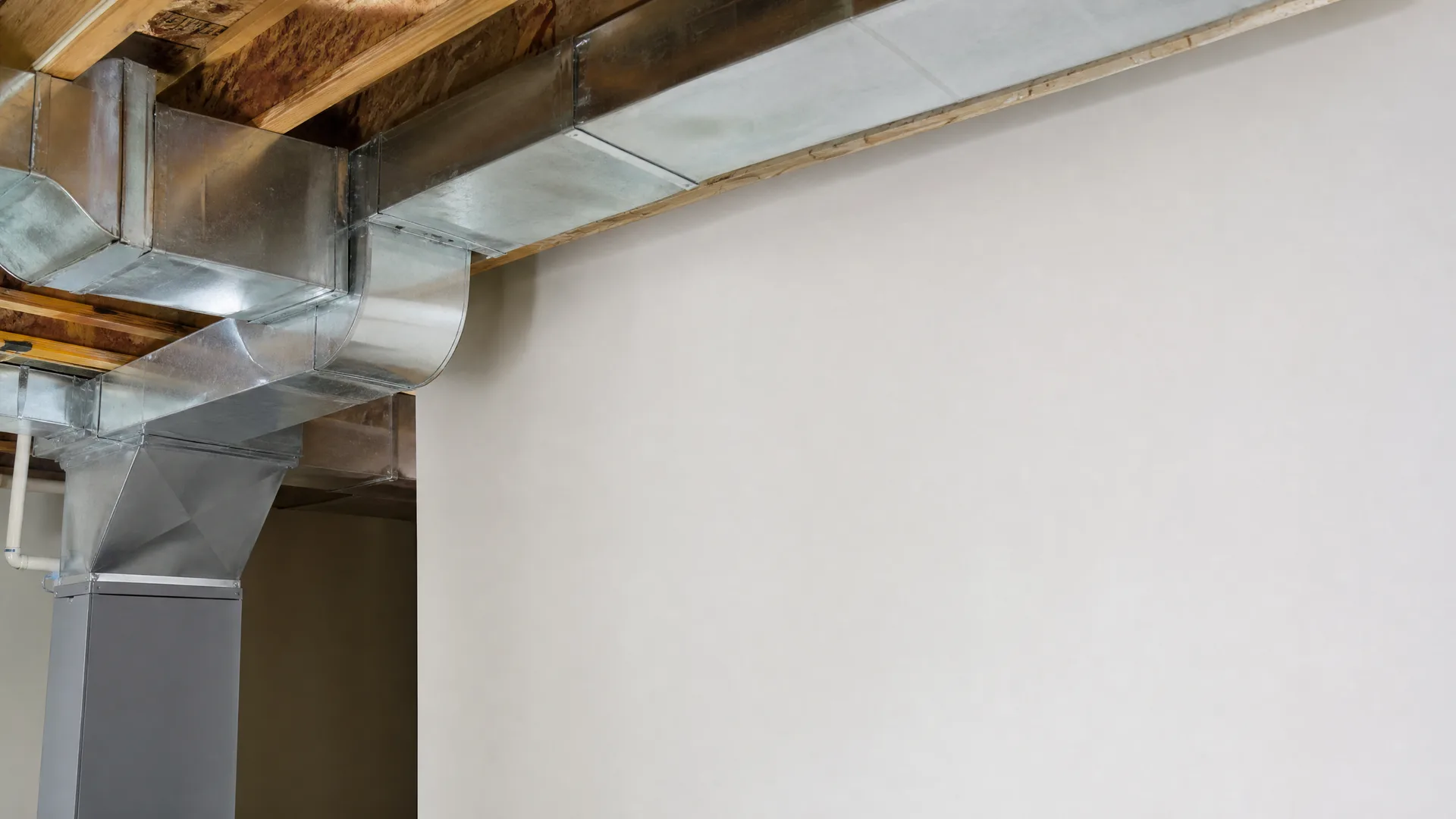
Galvanized sheet-metal HVAC ducts running along wooden joists at a basement ceiling, next to a plain off-white wall.

Why the dust keeps moving

Your duct system pulls air out of every room and pushes it back through the same network, a few times an hour, all day. Any dust sitting in that ductwork rides along with it. The wind here kicks up fine dust and dry dirt that works its way into the house around doors and windows, and once it's inside, the return ducts pick it up and spread it to every room the system reaches.

Unfinished basement interior with galvanized sheet-metal HVAC ductwork and round pipes running along a wooden joist ceiling, a furnace and water heater at the far end, and a blank white wall filling the left half of the frame.

What's left behind in the ducts

Dust that doesn't make it through the filter settles inside the duct runs themselves, especially at bends and near the vents. Over time that buildup gets stirred loose whenever the blower kicks on, so a portion of what blows out of your vents is dust that was already sitting in the ductwork, not just what's floating around the room that day. A duct cleaning removes that buildup at the source instead of leaving it to recirculate.

What's pulling that dust through your house for most of the year?

  • Half the homes here were built by 1991

    Half the homes in Campbell County were built in 1991 or earlier, so a lot of duct systems here are old enough to have gaps and loose joints that pull in dust.

  • Heat runs September through June

    Heat runs here from September through June, about ten months. That's ten months of air moving through your ducts and carrying dust into every room.

  • Cooling runs July through August

    Cooling only runs about two months, July and August. The rest of the year, it's the furnace doing most of the work moving air, and dust, through the house.

ACS 2020-2024 · NOAA nClimDiv 1991-2020

What's actually moving through your ducts

  • Your furnace blower cycles on and off dozens of times a day, and each start pushes a small burst of settled dust back into the air.
  • The return duct pulls air from your rooms before the dust has a chance to settle on anything but your furniture and floors.
  • A furnace filter only catches what passes through it, so dust clinging to the inside of the ducts themselves never meets the filter at all.
  • Static charge from dry winter air makes fine dust cling to screens, lamp shades and vent covers instead of falling where you can sweep it up.
  • Loose duct joints near the furnace or in the attic draw in attic dust and insulation fibers every time the blower runs.
  • A supply register blowing straight across a room can keep lightweight dust circulating for an hour before it finally settles.

Your furnace doesn't run once and stop. It cycles on and off all day, and every time the blower kicks on, it stirs up whatever dust has settled in the ductwork since the last cycle. That dust gets pushed back out through your supply registers before it ever reaches the filter, because the filter only catches what passes through it on the way back to the furnace, not what's already loose inside the duct walls. Meanwhile your return duct is doing the opposite job, pulling room air in so fast that dust barely has time to land on a shelf before it's airborne again. Dry winter air makes this worse. It builds up static charge, and that charge is why you find dust clinging to a lamp shade or a window screen instead of settling somewhere you can just wipe it away. If the ducts near your furnace or up in the attic have a loose joint or a gap in the sealing, the system draws in attic dust and insulation fibers right along with the room air it's supposed to be moving. Even where the vent itself is blowing, a register aimed straight across a room can keep fine dust suspended in the air for a while before it finally settles out. None of this is about how often you clean. It's about air moving through a system that's pulling dust from more places than you can see.

A smiling woman with long dark hair in a beige sweater sits at a marble kitchen counter with a glass of red wine, with a dimly lit living room behind her.
A woman with long dark hair in a cream knit sweater laughs while looking off to the side, seated at a counter with a glass of red wine, in a dimly lit living room with a sofa, lamp, framed pictures and houseplant behind her.
A woman with long dark hair in a cream knit sweater laughs while looking off to the side, seated in front of a dimly lit kitchen with an island, stools, open shelving and a potted plant, with a glass of red wine in the foreground.
A woman in a cream sweater with her hair in a bun laughs while seated at a stone counter holding a glass of red wine, in a dimly lit interior with a sofa, houseplants and a large window at night.
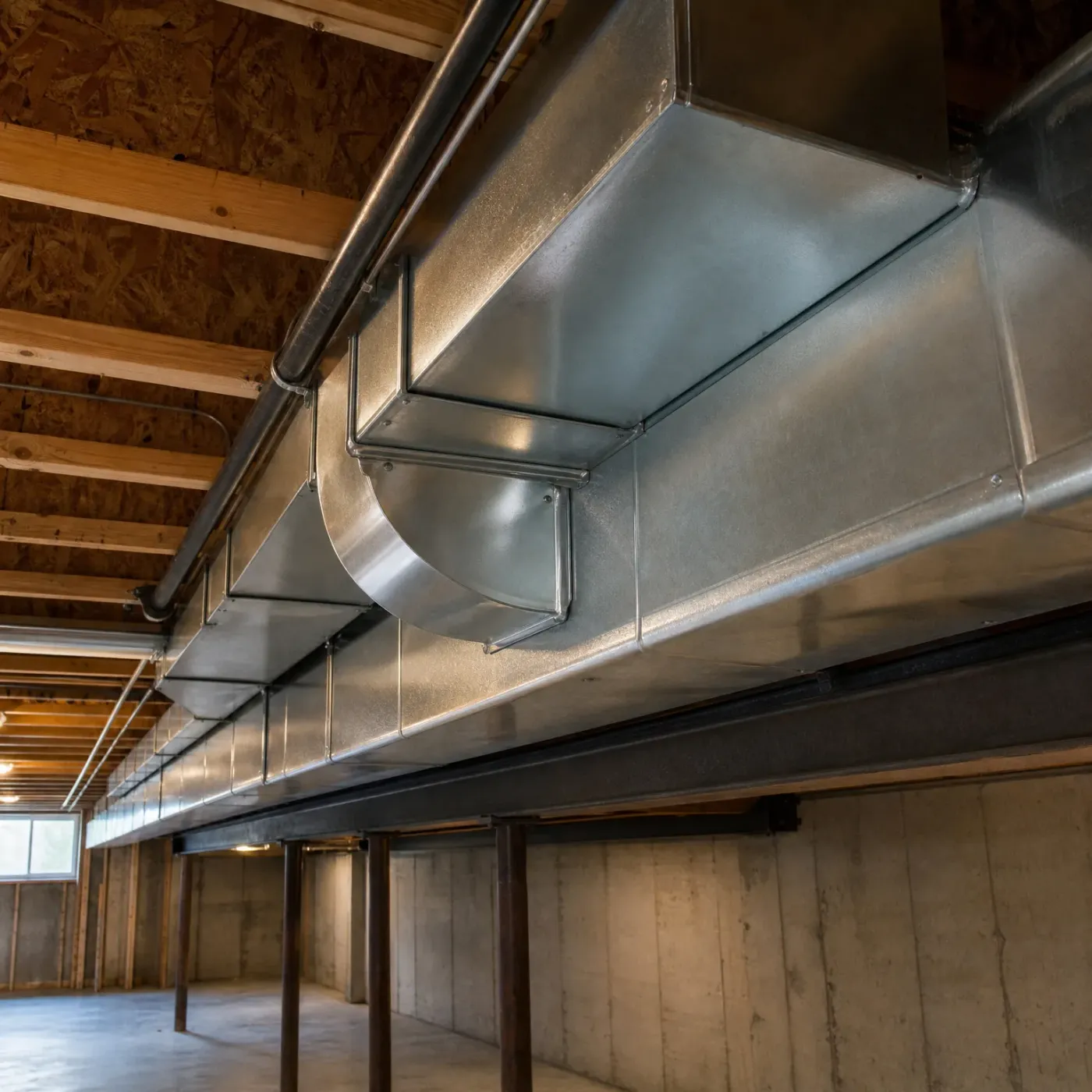
Galvanized sheet metal HVAC trunk ducts and branch takeoffs running below a wood-joist ceiling in an unfinished basement with concrete walls, steel support columns and a concrete floor.

Explain it one time

Your request goes to one pro, not a list of companies.

Answer a few questions about the duct cleaning and skip the search.

Get one local pro

It costs nothing to send, and you don't have to hire anyone.

Leave the ducts alone or get them cleaned

Leave it alone

  • Dust keeps cycling through the same ducts and settling right back on your furniture and floors.
  • Dry summer dirt and the fine grit the wind carries in keep adding to whatever is already built up inside the ductwork.
  • The furnace blower keeps stirring loose dust every time it kicks on, so the air never really clears.
  • If your ducts have gaps or loose joints, they keep pulling in attic or crawlspace dust along with the air headed back to the furnace.
  • Filters only catch what passes through them, so dust already sitting in the ducts stays there until something moves it out.

Have the ducts cleaned

  • A contractor clears out what's built up in the duct system instead of letting it keep recirculating room to room.
  • A local contractor who works on duct systems in Campbell County homes knows what usually collects in ducts built decades ago.
  • Going through one contractor means one visit and one assessment, not several companies calling to size up the job separately.
  • Cleaning the ducts means skipping the work of finding, calling, and comparing contractors on your own.
  • Once the loose debris is gone, the blower isn't pushing as much of it back into your rooms with every cycle.
Empty unfinished basement with bare concrete floor, insulated walls with vapor barrier between wood studs, exposed wood joists, galvanized sheet-metal ductwork, a recessed light, and a steel support column.

Ducts running clean

This is what a duct system looks like when air moves through it the way it should, out through the joists and back again without picking up anything extra along the way. No dust clinging to the metal, nothing riding the airflow into your rooms.


Empty basement room with bare concrete walls and floor, exposed wooden floor joists overhead, large galvanized sheet-metal ducts with a vent grille, colored pipes, and a single lit bulb.

Ducts holding dust

Here the ductwork has become part of the problem instead of just moving air through the basement. Dust and grit sit inside the metal and get pushed into every room each time the blower kicks on, which in a house like this is dozens of times a day.

Basement ceiling with large galvanized sheet-metal ductwork, round metal pipes and plumbing lines running beneath wood joists, above a bare concrete wall and floor.
Before you get your ductwork cleaning
Unfinished basement with bare concrete floor and walls, exposed wood joists, large galvanized sheet-metal ductwork, PVC and copper piping, and a gray furnace unit beside wood stud framing.
After you get your ductwork cleaning

Walk through your own rooms and you'll see where it lands. The room with the supply vent gets dusty again almost right away, because that's where the air carrying it comes out first. Your shelves and your bedding and whatever electronics you have are all catching the same dust, so wiping them down only buys you a few days. If anyone in the house has allergies or asthma, they're not just reacting to what's sitting out in the open. They're breathing whatever the ducts are pushing into the air every time the furnace kicks on. Check your filter and you'll likely find it's working harder than it should, clogging faster because there's more dust moving through it on every cycle. Look at the registers and return grilles too. The buildup you can see there is a small sample of what's sitting deeper in the ductwork. And the rooms farthest from the furnace, where the airflow is weakest to begin with, are usually the ones where the dust piles back up the fastest.

What this means for your house

  • Dust settles first on the surfaces nearest a supply vent, so those rooms get dirty again within days of cleaning.
  • Furniture, electronics and bedding all collect the same dust the ducts are circulating, so wiping surfaces only resets the clock.
  • Anyone in the house with allergies or asthma is breathing whatever the ductwork is carrying, not just what's sitting on the shelves.
  • A dirty duct system makes the furnace filter clog faster, since more dust is moving through it on every cycle.
  • Registers and return grilles collect visible buildup first, a sign of what the rest of the ductwork is holding onto.
  • The dust that resettles after cleaning tends to show up heaviest in rooms farthest from the furnace, where airflow is weakest.
Empty basement with bare concrete walls and floor, a small window at left, and exposed wood joists with galvanized sheet metal ductwork and pipes overhead.
This is new ductwork, still clean metal, before years of furnace cycles and Gillette dust have had a chance to build anything up inside it.
Dusty sheet-metal HVAC ducts with a rectangular vent register run beneath wooden floor joists above an empty concrete-walled basement.
This is what that same ductwork looks like once dust and grime have coated the inside walls instead of your living room.

You already know what this looks like in your own house. The top of the fridge, the blades of the ceiling fan, the dash of the car parked in the garage, all gray within days of wiping them down. You run a rag over the TV stand on Sunday and by Wednesday you could write your name in it again. That's time you're spending on a problem the duct system is causing, not your housekeeping. It shows up other places too, the same film on your laptop screen, on the baseboards, inside closets that barely get opened. If anyone in the house deals with allergies or asthma, this is the air they're breathing all night, every night the furnace runs. And it isn't just sitting on surfaces. It's moving through the supply vents into the rooms you spend the most time in, your bedroom, your kitchen, wherever the thermostat calls for heat most often. The house isn't dirty because you've let it go. It's dirty because of what's inside walls and under floors, circulating.

Power here costs 13.24 cents per kilowatt-hour

Cheap power at 13.24 cents a kilowatt-hour means running your blower fan longer or more often isn't what's costing you. Clean ducts let that fan move air through your house without stirring up more dust than it clears.

EIA-861 2025

  1. A technician opens your supply and return vents to reach every duct run.

  2. A vacuum unit connects to the ductwork and pulls the system under negative pressure.

  3. A brush or air whip knocks loose dust stuck to the duct walls.

  4. Loosened dust and debris get pulled into the vacuum before they reach your rooms.

A smiling bearded man in a dark green sweater sits at a dinner table with a glass of red wine, a bowl of salad and a lit candle in the foreground, in a dimly lit room with a framed picture, lamp and potted plants behind him.
A woman in a cream knit sweater reclines on a sofa with her eyes closed and a slight smile, a closed dark book resting on a blanket in the foreground and a lit lamp and small potted plant behind her.
A closed laptop and a ceramic mug on a wooden table in front of a kitchen with green cabinets, marble counter, black pot, cutting board, wooden bowl, and a white vase with greenery.

Your ducts are still the reason the dust comes back

Your house gets dusty because the duct system keeps moving air through rooms and through itself, dozens of times a day, and whatever is coated inside those ducts rides along with it. That's true whether the dust came from a dry summer, from wind-blown dirt working through gaps in old joints, or from a furnace blower cycling on and off all winter. Wiping the shelves again doesn't change what's inside the ductwork.

A cleaning clears what's built up on those duct walls so the air moving through your house isn't carrying it into every room. Finding someone to do that is its own chore, calling around Campbell County, explaining the same thing to each company, sorting through quotes that are hard to compare. A local contractor who works on duct systems like yours all year already knows what tends to build up in homes around Gillette and how to clear it out.

Living room interior with a light sofa holding a dark green cushion and a brown knit throw, a tall leafy plant by a black-framed window, a wooden coffee table with a round tray, and wooden shelves holding vases and books.
The gabled roof peak of a house with a stone chimney, dark siding and wood brackets, framed against forested hills and a rocky mountain ridge under a cloudy sky.

Skip the calls to every shop

Find a licensed pro

No charge to send it. You decide if you hire them.

One call to a local contractor who cleans ducts in homes like yours around Gillette beats finding a company yourself, calling around, and explaining the dust problem more than once. Someone who works on this equipment every season already knows what Campbell County duct runs usually look like inside.