
150 degrees
That is roughly how hot the air moving through your vent gets with the dryer running. Dry grass and feathers packed against that duct do not need much more to catch.
A bird in the vent is a fire hazard, not just a nuisance. Nesting material is dry and packed right where hot, lint-filled air has to pass, and that spring sound or that smell when the dryer runs is the sign. In Rock Springs and around Sweetwater County, vents facing the yard or a quiet side wall draw starlings and sparrows looking for a dry, warm spot, and once a nest is built it has to come out before the dryer runs safely again. Finding someone who will actually clear the vent and check the line, not just quote a price over the phone, usually means a string of calls, explaining the same problem each time, and waiting on someone to call back. Send the form here instead and that search is off your plate. You stop chasing down who does this kind of work and who's free, and you can get back to running your dryer without wondering what's blocking it.
Your dryer vent hood sits a few feet off the ground, points away from the weather, and stays warm whenever the dryer runs. To a bird looking for a place to raise a brood, that is close to ideal. In Rock Springs and the rest of Sweetwater County, where spring winds are hard and nest sites with any shelter are scarce, a dryer vent reads as prime real estate, especially if the flap hangs loose or the duct run gives them room to build.
Birds look for a gap that keeps wind and rain out and somewhere warm to settle their eggs. A dryer vent gives them both. The hood blocks the weather, the duct behind it is narrow enough to feel enclosed, and the warm air pushed out with every load of laundry makes it more appealing than a tree branch exposed to Sweetwater County's spring wind. Once a bird gets past a weak or missing flap, it can pack grass and twigs several feet into the duct in a day or two. That same material is what blocks the airflow your dryer depends on, which is why this starts as a nesting problem and turns into a venting one.




2.34 people per household on average
A typical household here is 2.34 people, so when the dryer backs up it's not one person's load sitting undone, it's the whole house waiting on laundry.
Half the homes here were built by 1980
Half the homes in Sweetwater County were built in 1980 or earlier. An older vent run is more likely to have joints and seams a bird can work into or get material caught on.
Power here costs 14.64 cents per kilowatt-hour
Power here runs 14.64 cents per kilowatt-hour. A blocked vent makes the dryer run longer to dry the same load, and that cost shows up on the bill whether the vent gets cleared or not.
ACS 2020-2024 · EIA-861 2025
A flap that still moves looks fine from the ground. It can still have a nest packed in behind it, because the flap only has to swing a crack to pass inspection from forty feet below.
Check it from a ladder, not the yard. Pull the hood open and look straight into the duct, because that is the only way to see what a bird built in there before it costs you a dryer that won't dry.


That is roughly how hot the air moving through your vent gets with the dryer running. Dry grass and feathers packed against that duct do not need much more to catch.
The vent runs straight from the dryer to the hood outside. A nest anywhere along that run blocks the whole thing, not just the end near the house.

Once a bird packs that vent with grass and feathers, your dryer stops drying in one cycle. You run it twice, sometimes three times, for a load that used to take one pass, and the exhaust still has nowhere to go but back into the line. Lint backs up behind the blockage, and that lint is what catches. You will likely notice the smell before you notice the flames.
Finding someone to clear it right is its own chore. You would be calling around Rock Springs asking who handles vent cleaning and not just duct work, explaining the nest and the smell to one dispatcher after another, then sitting with quotes that are hard to compare because you do not know what any of them actually checked. Send this form instead and that search is no longer yours to run. Someone else takes it from here, and your job narrows down to one thing: waiting for a call back, not working the phones.


It's almost seven on a Tuesday and you're still in your work clothes, standing over the dryer because the towels came out damp again. Second run. You pull the door open and the heat that rolls out feels heavier than it should, more like the inside of a closed car in August than a dryer that just finished. The towels are warm but wet through, piled on top in a heap you'll have to hang over chairs if you want them dry by morning. Out past the kitchen window the sky's gone that flat gray it gets over the Sweetwater County hills this time of evening, and somewhere above the back door you can hear something shift in the vent hood, a small scratching that stops when you knock the wall.
Describe your dryer vent job once, to one pro.
No fee to send it, and nothing to sign.
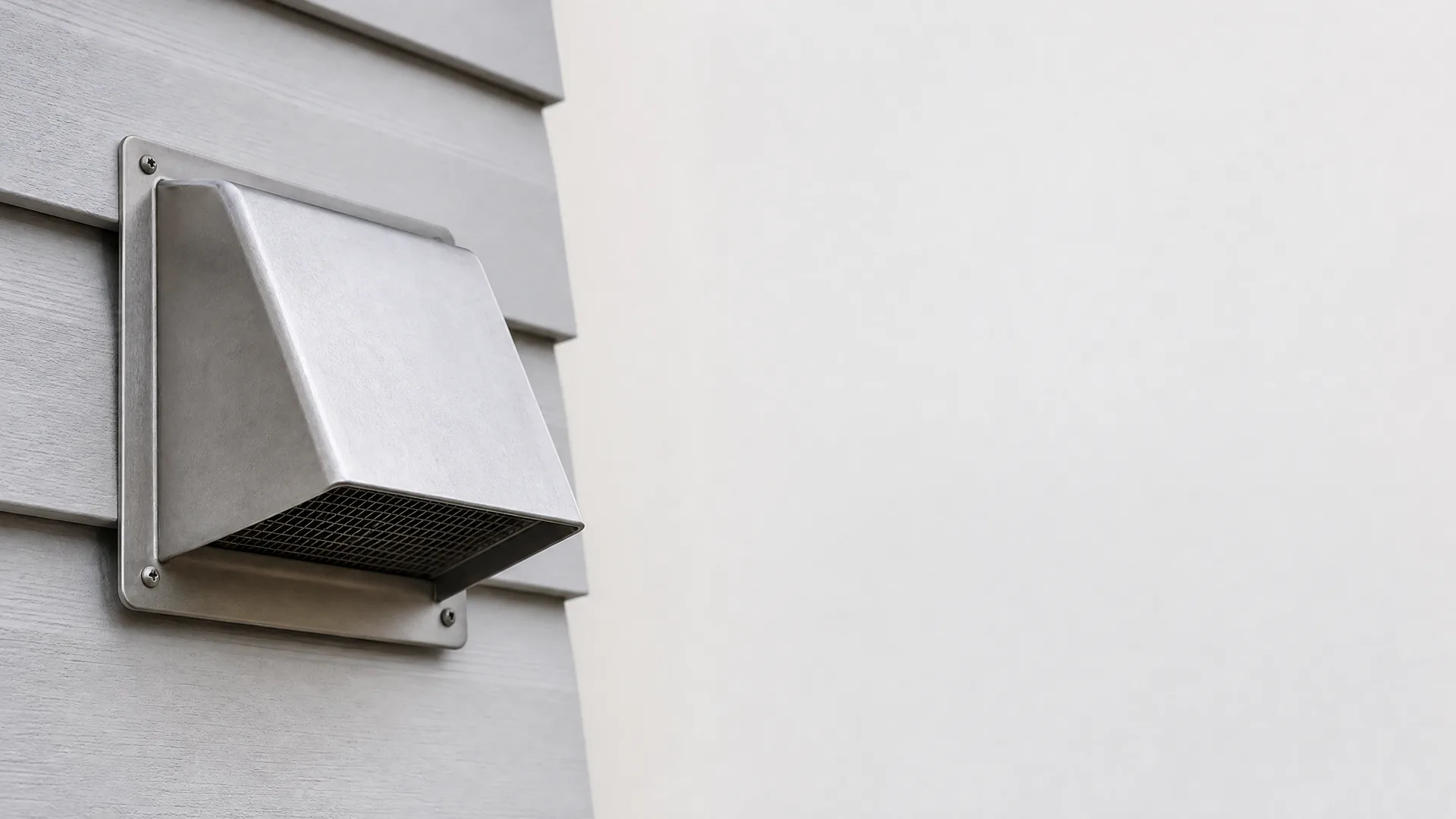
If birds are actively nesting in the vent right now, pulling it apart yourself can trap eggs or chicks inside the duct with no way out, and it can scatter nesting material deeper into the line toward the dryer. It also may run against state and federal protections on nesting birds, depending on the species. Waiting a short while until the nest is empty is usually the safer course, even though your dryer is stuck running long or not venting at all in the meantime.
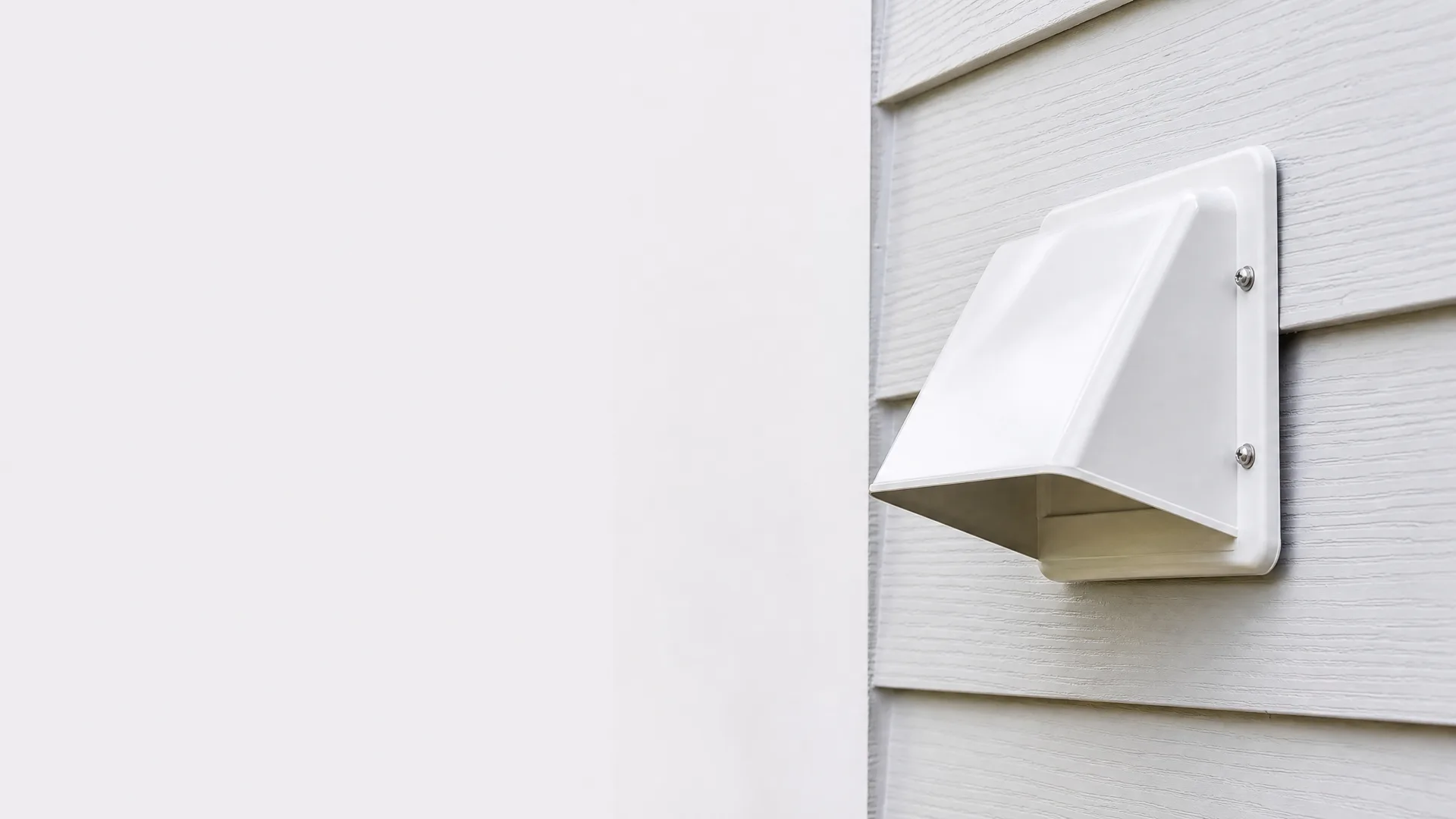
Once the nest is out, the vent needs a hood that actually keeps the next bird out, not just one with a flap that swings. A damaged or missing screen is usually why the first nest got in, and an empty vent is an open invitation for a second one next spring. Clearing the duct and fitting a hood built to block birds, without blocking airflow, is what keeps this from being a yearly problem around Rock Springs.
You load the dryer, run a full cycle, and pull out towels that are still damp at the fold. You run it again. Maybe a third time. The top of the dryer feels warmer than usual, and the laundry room picks up a faint burnt-dust smell partway through the cycle. Sometimes there's a scratching or chirping sound from the vent line when the dryer first kicks on. Outside, the vent hood flap barely moves, or doesn't move at all, even with the dryer running on high heat. None of this is the dryer wearing out. It's air with nowhere to go, pushing against a duct that's partly or fully packed with nesting material, and every extra cycle is heat building up against something dry enough to burn.

The cap sits above the foundation and the gravel border, open and unobstructed. Air passes straight through when the dryer runs. Nothing sits packed behind the flap, so a full load dries in one cycle.

Lint and nesting material cake the cap where it meets the siding above the river rock. The flap barely moves. Hot exhaust has nowhere to go, so it backs up into the duct instead of clearing outside.


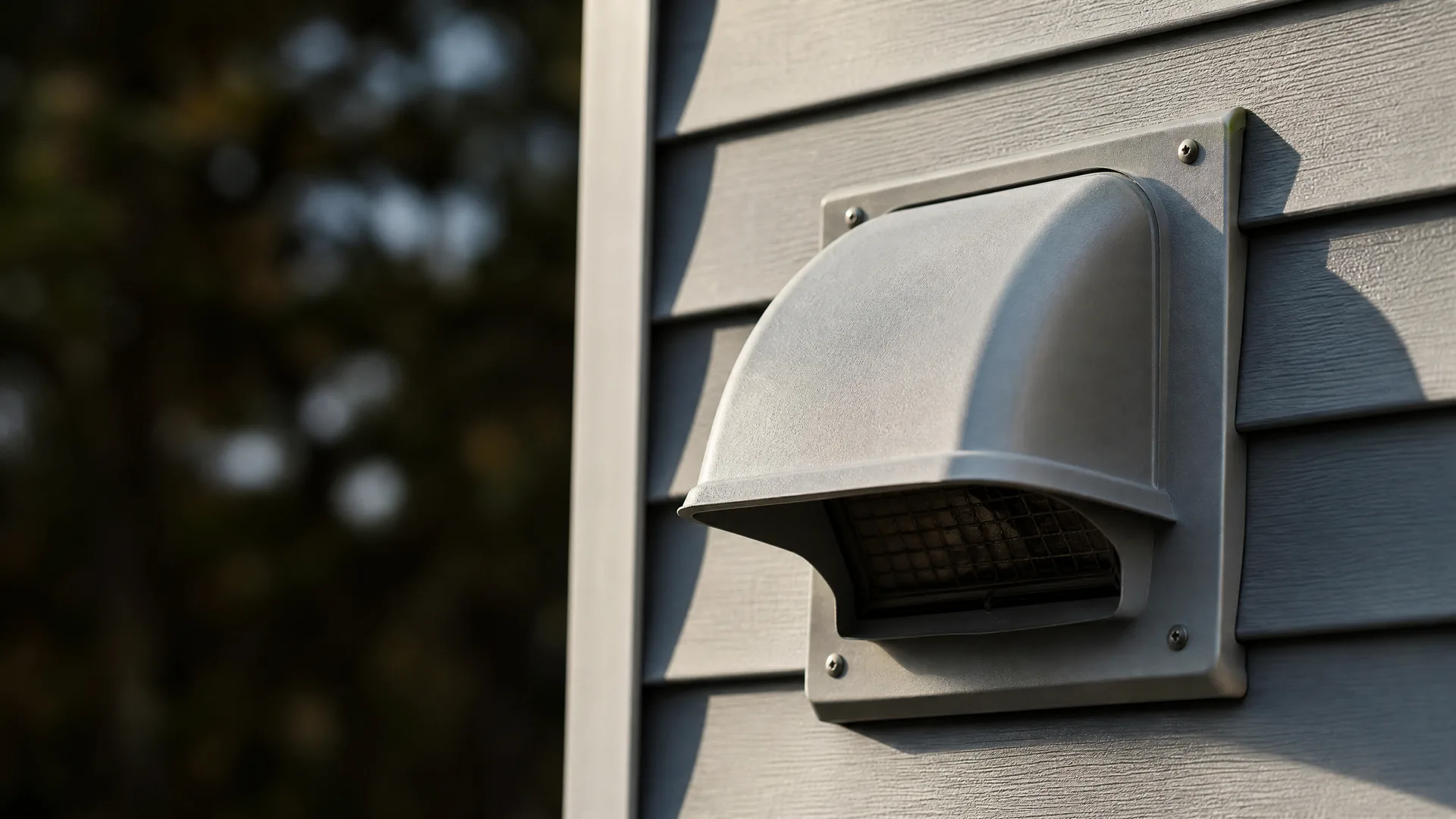
Your dryer vent isn't one piece. It's rigid metal duct running from the back of the dryer to the outside wall, then a hood with a spring-loaded or weighted flap on the end. That flap only opens when air is pushing against it from inside, which is exactly when the dryer is running and exactly when a blocked vent hurts you most. Birds don't nest right at the opening where you'd spot them from a ladder. They build a few inches in, past the flap, where it's warm and out of sight. That's why the hood can look clear from below while the duct behind it is packed solid.
A dryer pushes a few hundred cubic feet of air a minute through that duct under normal conditions. Grass and feathers packed into even a few inches of it cut that down to almost nothing, but the motor doesn't know that and keeps running the same as always. Meanwhile lint keeps collecting at the dryer end, the way it always has, so you end up with buildup working in from both directions at once, the nest from the outside and lint from the inside.
Getting it out means running a brush or a cable the full length of the duct, from the dryer connection all the way to the hood. Pulling grass out of the hood opening by hand clears what you can reach and leaves the rest sitting in the line.
At 2.34 people, most households here are running laundry for a couple or a small family, not stacks of it. A blocked vent still means a redone load and a dryer that won't shut off at the first buzzer, every time you run it.
ACS 2020-2024
A bird nest in the vent means hot, damp air has nowhere to go, and the fix is clearing the duct so it runs straight from the dryer to the hood again, nothing more. That's the whole answer. What's left is finding someone who will actually get up on a ladder, open the hood, and pull the nest out rather than just clean the lint trap and call it done. Left on your own, that means searching around Rock Springs for someone who works on vents and not just ducts, calling a few, explaining the damp towels and the warm smell twice over, then weighing quotes that may not even cover the same job. Send the form once and that work is off your plate. You're not left guessing whether the next place you call even does this kind of work, or starting the explanation over from scratch. The vent gets cleared, the dryer goes back to drying a load in one pass, and you're done thinking about it until the next bird goes looking for a warm, dry place to build.
One request and it's handed off
