
2,900 home dryer fires a year
That's the national count tied to dryers each year, and failure to clean them is the top cause. Most start the same way, in the vent, not the machine.
A clogged dryer vent is a real fire risk, and in Gillette that lint builds up fast if the vent has not been cleaned in a while. Summers here run hot and dry, and a dryer already working against that heat pushes harder through a blocked vent. Winters are hard on the house too, and a dryer that is straining gets run more, not less. You already searched this because something made you wonder about your own vent. Maybe it is taking longer to dry a load, maybe the outside hood barely flaps when the dryer is running, maybe it has just been years since anyone looked at it. You do not have to figure out how bad it is on your own. Answer a few questions about your home and a contractor who works in Campbell County will reach out to go over what your vent actually needs. That is the part that takes the guesswork off your plate.
Yes, a clogged dryer vent is a fire risk, and it's one of the more common causes of house fires tied to home appliances. Lint is the fuel. Every load of laundry sheds some, and what doesn't catch in the filter moves down the vent and settles there. A clean vent carries that lint outside. A blocked one doesn't, so the lint sits against the heat the dryer puts out load after load. Dry air like Gillette sees most of the year does nothing to slow that buildup down, and if the vent run is long or has a few bends in it, lint catches there faster than people expect. The dryer also has to work harder to push air through a clog, which means more heat and more strain on the machine itself. If your dryer is taking longer than it used to, or the outside vent flap barely moves when it runs, the vent is worth checking.
2.6 people per household on average
With 2.6 people in the average Campbell County household, that dryer is likely running near every day, which means lint has more chances to build up between cleanings.
Half the homes here were built by 1991
Half the homes here were built in 1991 or earlier, and a vent run installed back then has had three decades to collect lint even with normal use.
Power here costs 13.24 cents per kilowatt-hour
Power here runs 13.24 cents per kilowatt-hour, cheap enough that a struggling dryer on a clogged vent can run extra cycles without anyone noticing the cause.
ACS 2020-2024 · EIA-861 2025

Air moves out fast when you stand near the outside hood while the dryer runs. A load dries in one cycle. The dryer doesn't run hotter than it should to push air through, so the heating element and the motor aren't working beyond what they're built for. You can check this yourself: open the lint trap, clean it, and still feel strong airflow outside when the dryer's on.

Lint has nowhere to go, so it packs into the duct behind the wall or up through the roof line. The dryer runs longer to dry the same load, and the air coming out the hood is weak or barely moving. Heat that should leave the house stays in the vent instead, against a bed of lint that catches easily. That's the setup behind a lot of dryer fires, not a frayed cord or an old machine.




You've seen the warnings about clogged dryer vents, but it's not obvious how lint actually turns into flames inside a metal duct. Knowing the mechanics of it, rather than just the warning, makes it easier to judge how serious your own vent might be and why waiting on it is a real gamble, not just a nuisance.
Lint is dry, fine, and catches easily. When a vent is clogged, hot air from the dryer can't escape outside the way it's supposed to, so it backs up inside the duct and the dryer cabinet. That trapped heat has nowhere to go but back toward the heating element, and the longer the dryer runs trying to finish a cycle, the hotter that element gets. Given enough heat sitting against a pile of lint, it only takes one spark or one surface running hotter than it should to set it off. This is why dryer fires often start in the vent itself, or right at the back of the machine, not out in the open where anyone would notice first.



One request and the dryer vent cleaning stops waiting on you.
Your request goes to a Campbell County pro who takes dryer vent jobs.
No charge to send it. You decide if you hire them.
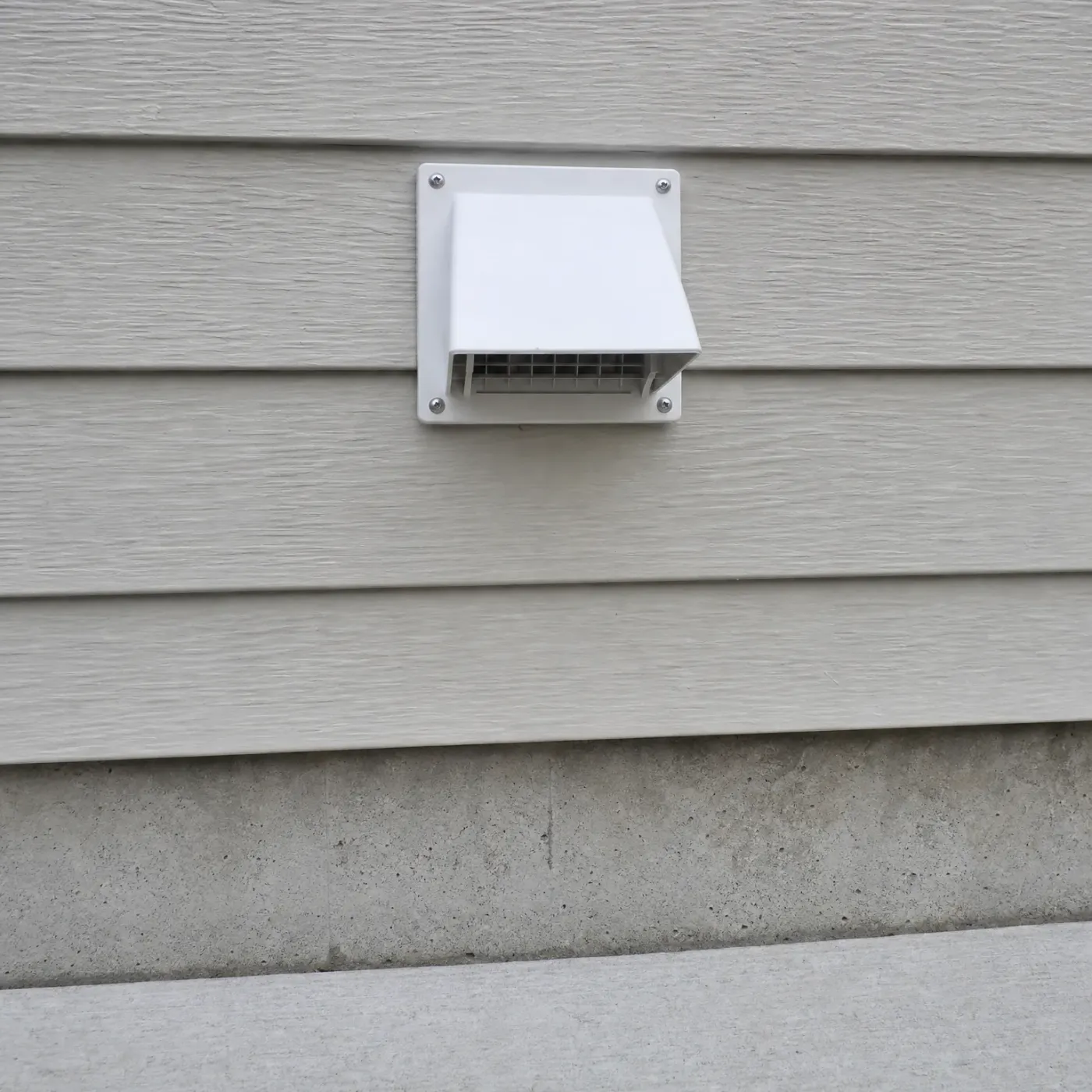

A blocked vent doesn't announce itself. The dryer still runs, clothes still tumble, and nothing looks wrong until the lint packed inside the duct gets hot enough to catch. That can happen without a flame anyone in the house would see, because the duct is behind the wall, not out in the open. By the time smoke shows up in the laundry room, a fire may already be burning where you can't reach it. A hot, dry Gillette summer only adds to the load, since the dryer is already pushing against outside heat before it ever deals with a clog. Run it hard enough, often enough, through a blocked vent, and the margin between normal operation and something catching fire gets thinner each load. If there are kids or pets moving through the house, that margin matters more, since a fire that starts in a laundry room can spread before anyone's had time to notice it. Where the vent lets out matters too. A clogged hood near dry grass or siding gives a spark somewhere to land once air stops moving through it.


That's the national count tied to dryers each year, and failure to clean them is the top cause. Most start the same way, in the vent, not the machine.
Lint can reach its flash point in well under an hour of a dryer running against a blocked vent. No spark needed, just heat with nowhere to go.
At 2.6 people, most houses here run a load most days, sometimes more than one. Each one leaves lint behind in the vent. A household that size doesn't give the vent many quiet stretches to go without a cleaning.
ACS 2020-2024

It's past eight on a weeknight and you're the last one still up. The dryer's been going since before dinner, and you open it expecting warm, folded-ready towels. Instead they're heavy and damp, still smelling like the inside of the machine. You stack them on top of the dryer anyway, figuring you'll run them again, and head to bed. The room's warmer than it should be, warmer than the hallway outside it. You don't think much of it tonight. Tomorrow there's work, and the towels will still be sitting there when you get home, waiting for a second cycle that might not fix it either.

The answer is yes. Lint builds up inside the vent, a blocked vent traps heat, and heat with no place to go is how these fires start. None of that changes whether your house is new or fifty years old, or whether you run one load a week or one a day. What changes is how fast it happens.
If your dryer is taking longer than it used to, or the outside hood barely moves air when it runs, that's worth looking at now rather than after another season of use. A contractor who services Gillette and the rest of Campbell County can take it from there. Once you request service, finding someone to clean the vent stops being something you have to figure out on your own. You'll be matched with a contractor who handles this kind of work, and they'll reach out to you directly.


Get your dryer vent to the right pro