The vent clear
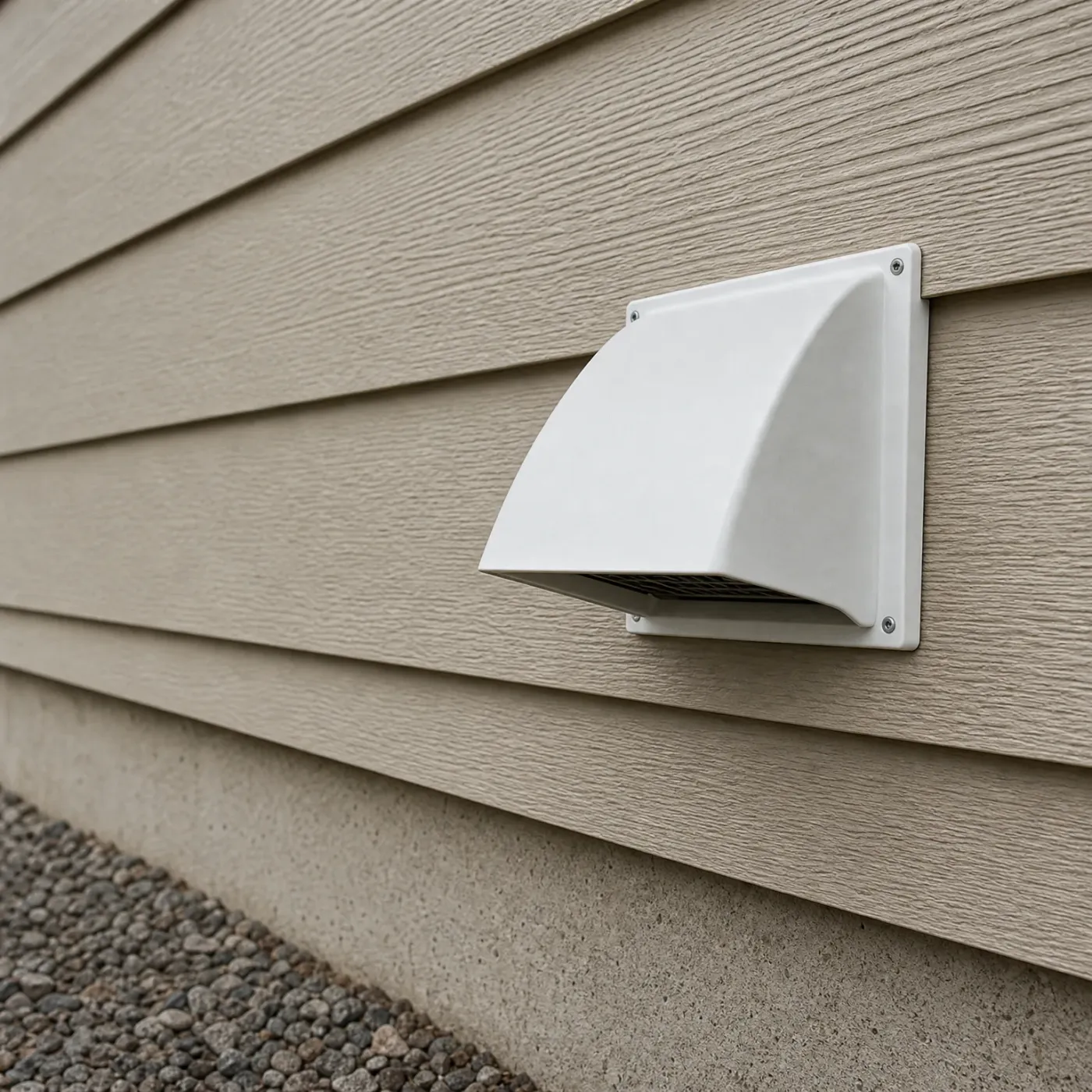
Air moves straight out through the hood with every load. The flap opens, pushes the lint-heavy air outside, and closes again. Nothing collects at the opening, and the dryer isn't working to force air past a blockage.
 Let a pro reach out
Send the form and the dryer vent cleaning stops sitting on your list.
Yes, a clogged dryer vent is a fire risk, and it's a real one, not a theoretical one. Lint is paper dry and it catches fast. When a vent is blocked, the dryer runs hotter and longer to push air through, and that heat has nowhere to go but back into the lint trapped in the duct.
In Wyoming, summers are hot and dry, and that dryness follows the air right into your laundry room. Dry air means dry lint, and dry lint burns easier than damp lint ever could. A vent that might sit fine for years somewhere humid can turn into a problem here faster than you'd expect.
You can check some of this yourself. If a load that used to take forty minutes now takes an hour or more, that's the dryer telling you air isn't moving. If the outside vent hood barely puffs when the dryer is running, or if the room gets noticeably warmer than it used to, the path is restricted somewhere between the drum and the outside wall.
What you can't check is what's built up inside the duct itself, especially if it runs any real distance or has more than one bend. That's where a professional cleaning earns its keep. A local contractor who clears these vents all year in Wyoming knows which setups clog fastest and where lint tends to pack in, whether that's a long run to an exterior wall or a joint with a sharp turn.
Once you send the request, you're done with the hard part. You won't be sorting through several companies competing for your call. One licensed, local contractor gets matched to your job, someone who works on this kind of vent regularly and knows what to look for before they even open the duct. From there, it's off your plate.
You run a dry climate here, and you've probably already told yourself the dry air helps, that lint can't be that dangerous when everything dries out fast anyway. You keep up with small maintenance before it turns into something bigger, so you want a straight answer, not a scare tactic. You're asking because you want to know if this is one of those risks that's real for your house, or one that applies somewhere more humid and doesn't really touch Wyoming.
A clogged vent is a fire risk no matter how dry the air is outside. Lint catches from heat, not humidity, and a dryer pushing against a blocked vent builds exactly that heat inside the duct. If anything, the low humidity through a Wyoming summer means the lint sitting in that vent is drier and catches faster, not slower. Gas dryers add another piece. Most homes here heat with gas, and a gas dryer vents combustion byproducts along with hot moist air. A blocked vent keeps that gas exhaust from clearing out the way it should. None of this is about where you live making the risk worse in some dramatic way. It's that nothing about a dry climate makes a blocked vent safer.

Air moves straight out through the hood with every load. The flap opens, pushes the lint-heavy air outside, and closes again. Nothing collects at the opening, and the dryer isn't working to force air past a blockage.

Lint has built up at the opening until it's packed the grille shut. Some of that is from birds or mice nesting in the warm vent. Either way, the dryer is pushing hot air into a space that can't vent it.
Check the back of the dryer after a load. If the vent hood flap outside barely moves, or doesn't move at all, air isn't getting out the way it should. A load that used to take forty minutes now runs an hour or more, and you still pull the clothes out warmer than usual, sometimes too hot to fold right away. The top of the machine feels hot to the hand. You might notice a faint burning smell, especially a few minutes into the cycle, or lint turning up around the hood outside or behind the dryer where it has no business being. Run several loads back to back in a Wyoming winter heating a house already working hard on gas, and a dryer fighting a clogged vent is pulling extra power and building up heat with nowhere to go.
Lint builds up inside the vent duct over time
Airflow slows, so the dryer pulls in less fresh air
Heat from the drum has nowhere to vent out
Trapped heat climbs against a bed of dry lint




Your dryer vent cleaning request goes to one local pro.
Send the form and finding a dryer vent cleaner is handled.
Sending the form costs nothing.




Lint is paper dry, and it ignites at a lower temperature than wood. A dryer's heating element can reach well past that point once airflow is cut off and heat has nowhere to go.
That's why a blocked vent isn't just a slower load of laundry. It's dry fuel sitting next to a heat source that's running hotter than it's supposed to.
At under 14 cents a kilowatt-hour, running your dryer here doesn't cost much, which is exactly why a clogged vent is easy to ignore. A dryer working against a blockage pulls more power to push the same load through, but the bill barely moves enough to warn you something's wrong.
EIA-861 2025 statewide residential average
A clogged dryer vent is a fire risk, and the fix is a cleaning, not a new dryer. Lint builds up whether you notice it or not, and the only way to know your duct is clear is to have someone look at it and clear it out. A local contractor who services dryer vents all year in Wyoming has seen what a few seasons of lint buildup does to a duct, and knows where it tends to pack in tightest, whether that's a long run to the roof or a tight bend behind the machine. You'll be matched with one contractor, licensed to do this work, not a handful of companies competing for your call. That means one visit, from someone who already knows what to check before they get there. The dry air here doesn't change what lint does inside a duct. It still catches, and a blocked vent still runs hotter than it should. Clearing it is a small job now, done once, instead of a bigger problem later.

Let someone else find the pro