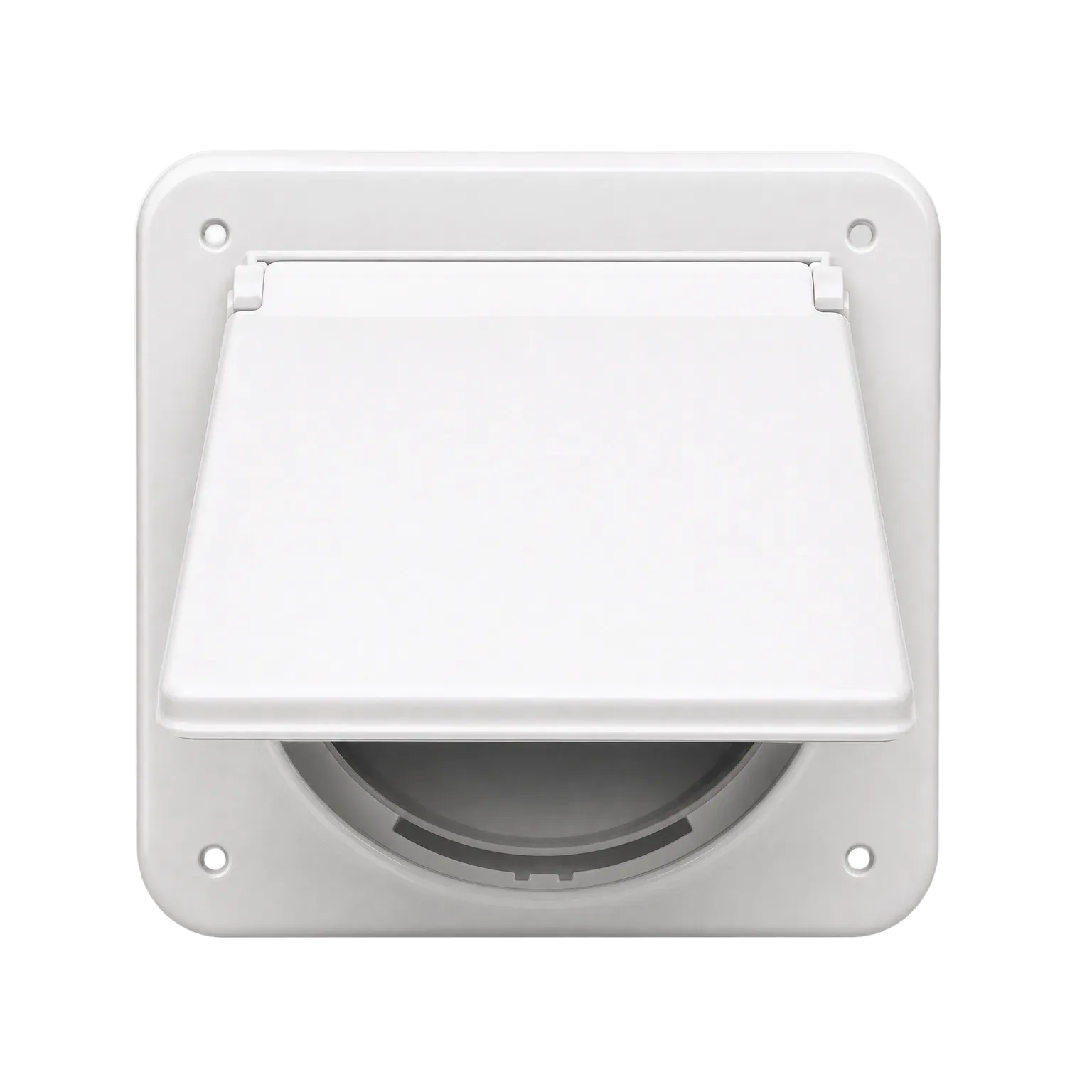
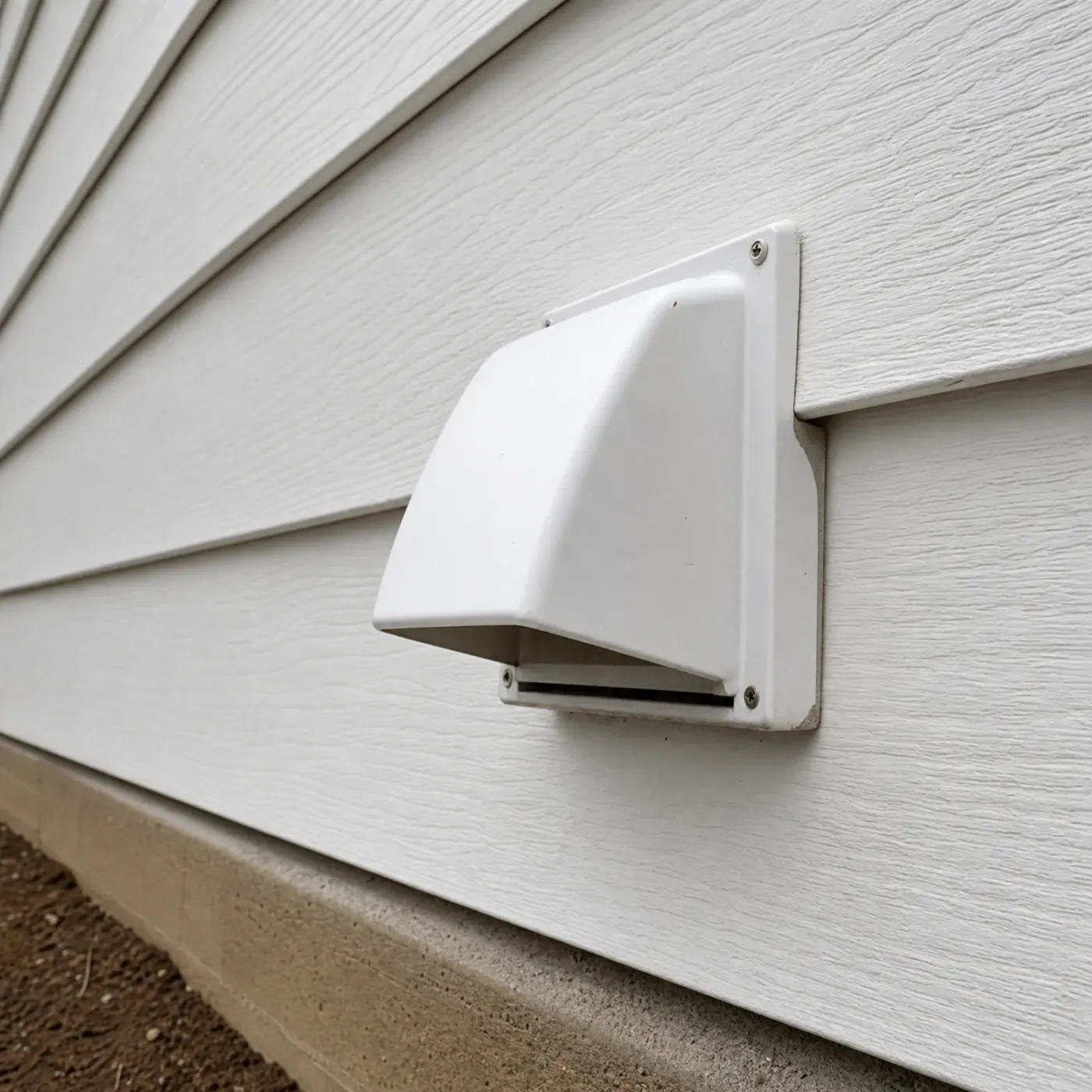
Clean your dryer vent once a year. That's the general rule almost everywhere, and Wyoming doesn't change it much. What does matter here is lint builds up the same whether you're running the dryer in January or July, since most homes heat with gas and the dryer itself runs on electric power regardless of season, so there's no slow month where the vent gets a break. A yearly cleaning keeps lint from packing into the duct, which is what cuts airflow, makes clothes take longer to dry, and raises the risk of a vent fire. If you run large loads often, or your vent run is long or has several bends, lint catches faster and a year can be too long to wait. Check the outside vent hood: if the flap barely moves when the dryer's running, air isn't getting out like it should, and that's worth looking at sooner than your next scheduled cleaning.
Power costs 13.37 cents per kilowatt-hour statewide
At 13.37 cents a kilowatt-hour, running an electric dryer here is cheap enough that a clogged vent won't show up fast on your power bill. That makes it easy to let the yearly cleaning slide, since you're not getting a cost warning to prompt you.
EIA-861 2025 statewide residential average
A vent cleaned on schedule once a year moves air the way it should. Clothes dry in one cycle, the dryer shuts off when it's supposed to, and the exhaust outside shows a strong, steady flow when you check it.
A vent left two or three years past due works against you. Cycles stretch longer, the outside flow weakens to a trickle, and the dryer runs hotter than it should every time you use it.




How Lint Actually Clogs a Vent
- Lint builds up inside the vent pipe itself, not just in the trap screen you clean after every load.
- A clogged vent forces hot, damp air back toward the dryer drum instead of pushing it outside.
- That backed-up heat is what makes the thermal fuse or the high-limit switch trip and shut the dryer down.
- The outside hood flap should swing open and flutter in the airflow whenever the dryer runs on high heat.
- Rigid or semi-rigid metal duct lets lint slide through more easily than the coiled foil or plastic kind.
- A technician runs a brush through the full duct run, then checks the hood flap seals shut when the dryer is off.
The screen you clean after every load only catches part of the lint. The rest rides the airflow down into the vent pipe and sticks to the walls, especially at bends and seams, and that's where it builds up out of sight. As the pipe narrows with lint, the dryer can't push air out as fast as it needs to. Hot, damp air has nowhere to go but back toward the drum. Dryers have a thermal fuse or a high-limit switch for exactly this reason, and when the air backs up enough, that switch trips and shuts the whole thing down mid-cycle. That's often the first sign something's wrong, not a slow dry time creeping up over weeks.
You can check the vent yourself without opening anything up. Go outside while the dryer runs on a regular heat cycle and look at the exhaust hood. The flap should swing open on its own and flutter with a steady stream of warm air. A flap that barely moves, or air that just dribbles out, means the line is restricted somewhere between the hood and the dryer. If your home has rigid or semi-rigid metal duct, lint tends to slide through it and out the hood. Coiled foil or plastic duct has ridges that catch lint more easily, so it fills in faster. When a technician cleans a vent, the work is running a brush the full length of the duct run, not just at the ends, and confirming the hood flap closes tight once the dryer shuts off.


Lint builds up along the inside walls of the vent pipe.
Airflow slows, so the dryer takes longer to dry a load.
Heat and moisture back up toward the drum instead of venting out.
The thermal fuse or high-limit sensor trips to stop overheating.


A dryer vent pro near you
Send the form and the dryer vent cleaning stops sitting on your list.
Your dryer vent cleaning request goes to a local pro who does this work.
There's no charge for the request.
Clear It Yourself or Call Someone
Cleaning it yourself
- You can reach the trap and a few feet of pipe with a brush kit, but most vent runs go a lot farther than your arm or a shop vac hose.
- A bend behind the dryer or a run up through the attic hides lint buildup you can't see from either end.
- Doing it yourself costs you only the time and the kit, with no one checking that the vent cap outside is actually pushing out a strong flow.
- If the run is short and straight, a homeowner can often clear it enough to get airflow back to normal.
- There's no way to confirm the whole pipe is clear unless you can see daylight through it end to end.
Having it cleaned
- A contractor runs a rotary brush or camera the full length of the vent, including bends and runs you can't reach from the trap or the outside cap.
- They can tell you if the vent pipe itself is the problem, or if a crushed section or a bad cap flap is cutting airflow too.
- Getting matched with someone means you're not the one tracking down who's available or who does this kind of work in your area.
- Once the lead goes out, that search is off your plate, and the contractor follows up with you directly.
- A full cleaning clears lint along the entire pipe, not just what a brush can reach from one end.
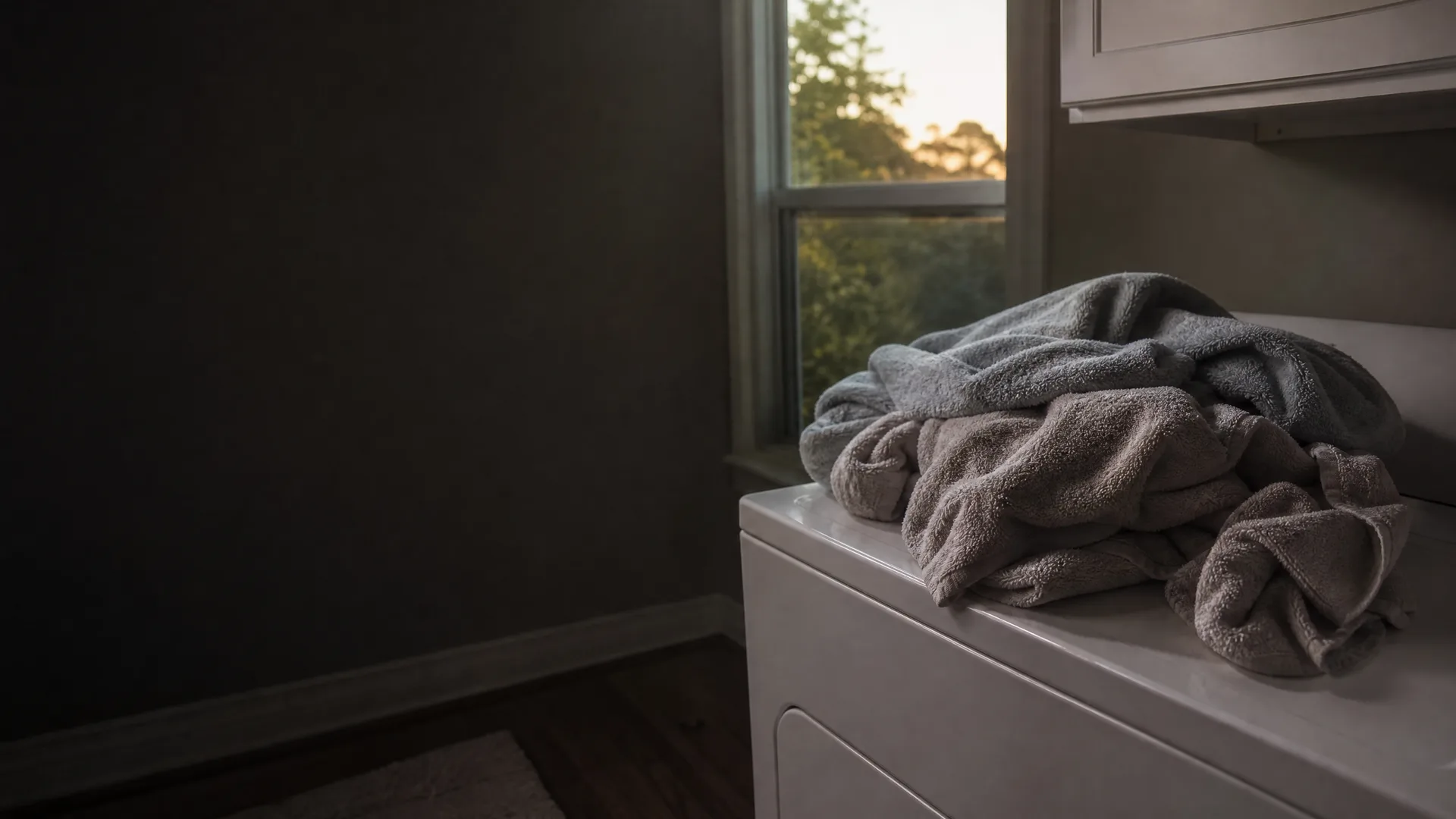
It's past eight on a weeknight and you're still in the laundry room, going on the third cycle for the same load. The towels on top of the dryer are still damp, cool at the center where the heat never reached. Outside the dry Wyoming air hasn't let up all summer, and the dryer's been running hot for an hour with nothing to show for it. You press start again anyway, because the alternative is hanging towels over every door in the house tonight. The room smells faintly warm, like dust on a heater coil. You tell yourself you'll look at the vent this weekend, then go back to waiting.

Once a year, and you're done thinking about it
A dryer vent cleaned on a yearly schedule keeps doing its job without asking anything else of you. You run loads through winter on gas heat, through the dry heat of summer, and the vent moves air the same way each time because the lint never gets the chance to build past a few feet of pipe. That's the whole answer. Once a year, same as almost anywhere else, and Wyoming's dry air and cheap power don't change the number, they just mean the warning signs show up slower than they would somewhere else.
If you're past that year mark, or you can't remember the last time anyone looked at the vent, the next step isn't figuring out how to do it yourself or who to call first. It's getting matched with a contractor who knows vent runs like yours and reaching out to you directly, so the finding-someone part is off your plate the moment you send the form.


Dryer Vent Cleaning
A local pro for your dryer vent cleaning

- Describe your dryer vent job, and a local pro who handles it gets in touch.
- Say what's going on with your dryer vent, and a pro who works on them reaches out.

- One request and the dryer vent cleaning stops waiting on you.
- Once you send the form, finding a pro is off your list.

- Skip calling around for someone who cleans dryer vents.
- Answer a few questions about the dryer vent cleaning and skip the search.

- Your dryer vent cleaning request goes to one local pro.
- Only one pro gets your request, so you hear from one company.