Wyoming HVAC Match

How often to clean a dryer vent in Casper, WY

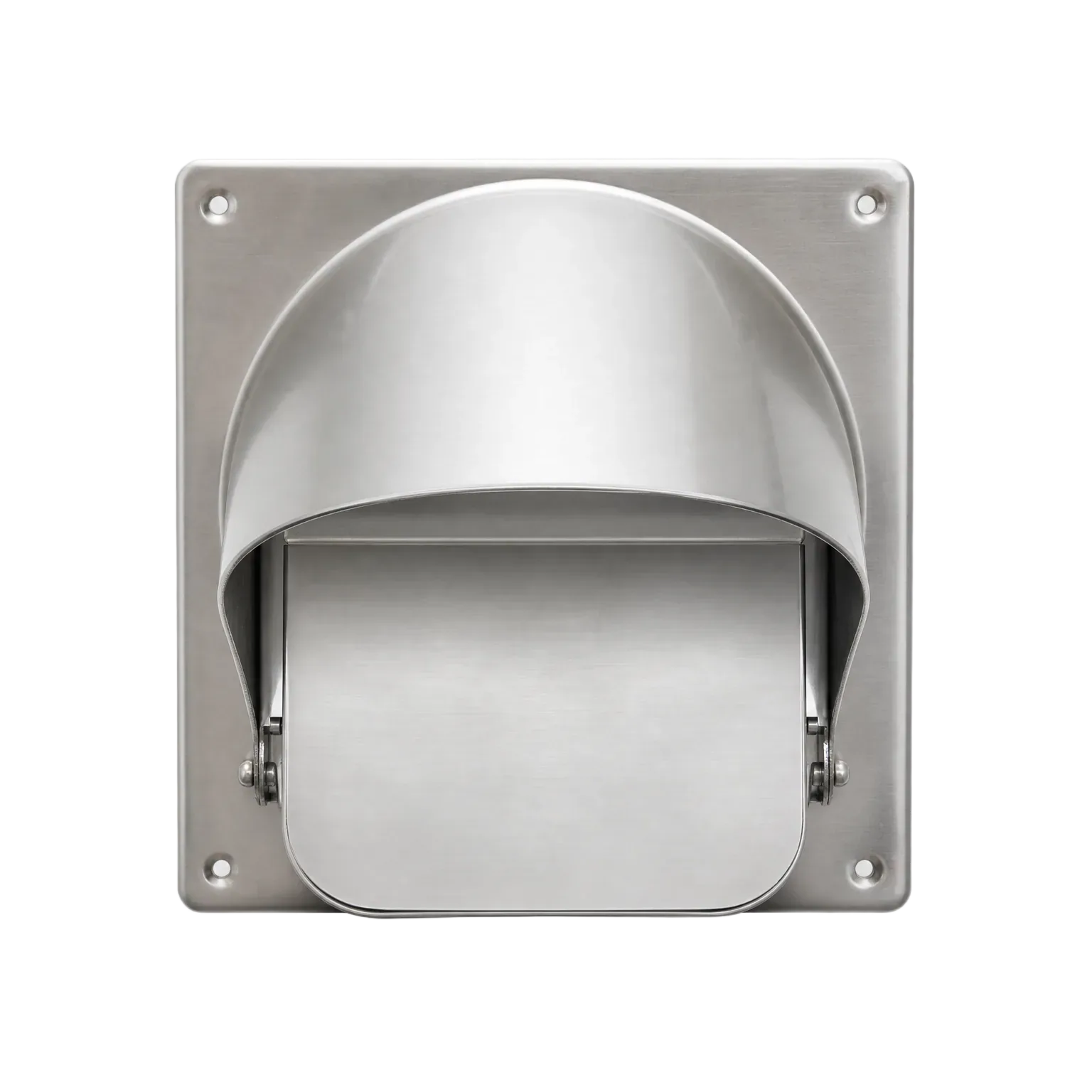
A stainless steel square wall vent with a curved hood and a hinged flap damper, shown straight on against a plain gray background.
Let a pro reach out

Clean your dryer vent once a year. That's the standard most manufacturers set, and it holds up for a straightforward reason: lint builds up inside the duct every time you run a load, and a year's worth is usually enough to choke the airflow your dryer needs. You'll notice it first as clothes that take two cycles instead of one, or a laundry room that feels warmer than it should. If your vent run is long, has several bends, or vents up through the roof instead of straight out a wall, lint catches more easily along the way and once a year becomes the outer limit rather than a comfortable schedule. A dryer that can't push air out fast enough runs hotter, and a hot dryer with blocked exhaust is how vent fires start. Households doing more than the average number of loads a week, including anyone drying for a larger family, should look at the vent more often than once a year.

A woman in a cream knit sweater reclines on a gray sofa with her eyes closed and a slight smile, covered by a fleece blanket with a closed book on her lap, a lit table lamp and potted plants behind her.
A smiling man with curly graying hair and a dark knit sweater sits at a candlelit dinner table with a glass of red wine, a water glass and a bowl of salad in the foreground, in a dimly lit room with a lamp, framed picture and window behind him.

Most people picture the dryer vent as one spot, the trap you pull lint off after every load. The duct behind it is a different story. Lint rides the airflow the whole length of that line and settles wherever the path bends or sags, which is why a clean trap doesn't mean a clear vent. Rigid metal duct gives lint fewer places to catch than the foil or plastic accordion kind, which sags between its supports and collects buildup at every turn. When the line does clog, the dryer has nowhere to push its hot, damp air, so it recirculates through the drum instead of venting outside. That's the mechanical reason a load starts running long or a cycle cuts off before the clothes are dry. It also raises the temperature inside the duct itself, since the heat has no path out. One way to check from outside: the hood on the exterior wall has a flap that should lift when the dryer's running and drop shut when it's off. If that flap stays shut while the dryer runs, lint has already built up enough behind it to block the airflow.

What's Actually Happening Inside the Duct

  • Lint collects along the full run of the duct, not just in the trap, so the trap staying clean tells you nothing about the rest of the line.
  • A clogged vent forces hot, damp air back through the drum, which is why a load that used to take 40 minutes can start taking twice that.
  • Rigid metal duct holds up better than the foil or plastic accordion type, which sags and traps lint at every bend.
  • A dryer that runs long or shuts off partway through a cycle is usually telling you the vent, not the machine, has a problem.
  • The outside vent hood has a flap that should swing open when the dryer runs and close when it's off, and a flap stuck shut means lint has already built up behind it.
  • Running a dryer with a blocked vent raises the surface temperature inside the duct, since the hot air has nowhere to go.
A smiling bearded man in a dark blue henley shirt sits leaning back on a light grey sofa in a living room, with a bowl of popcorn on a wooden coffee table and a large window behind him.
A bearded man in a dark quarter-zip sweater sits smiling on a brown sofa in a dimly lit living room, with a bowl of popcorn and a mug on a table in the foreground and a potted plant near a window behind him.
A smiling man with graying dark hair and a beard, wearing an olive sweater, sits on a sofa in a living room beside a bowl of popcorn on a wooden table.
A smiling man in a dark green henley shirt sits on a gray sofa in a living room with a lit table lamp, wooden shelving unit, and a bowl of popcorn in the foreground.
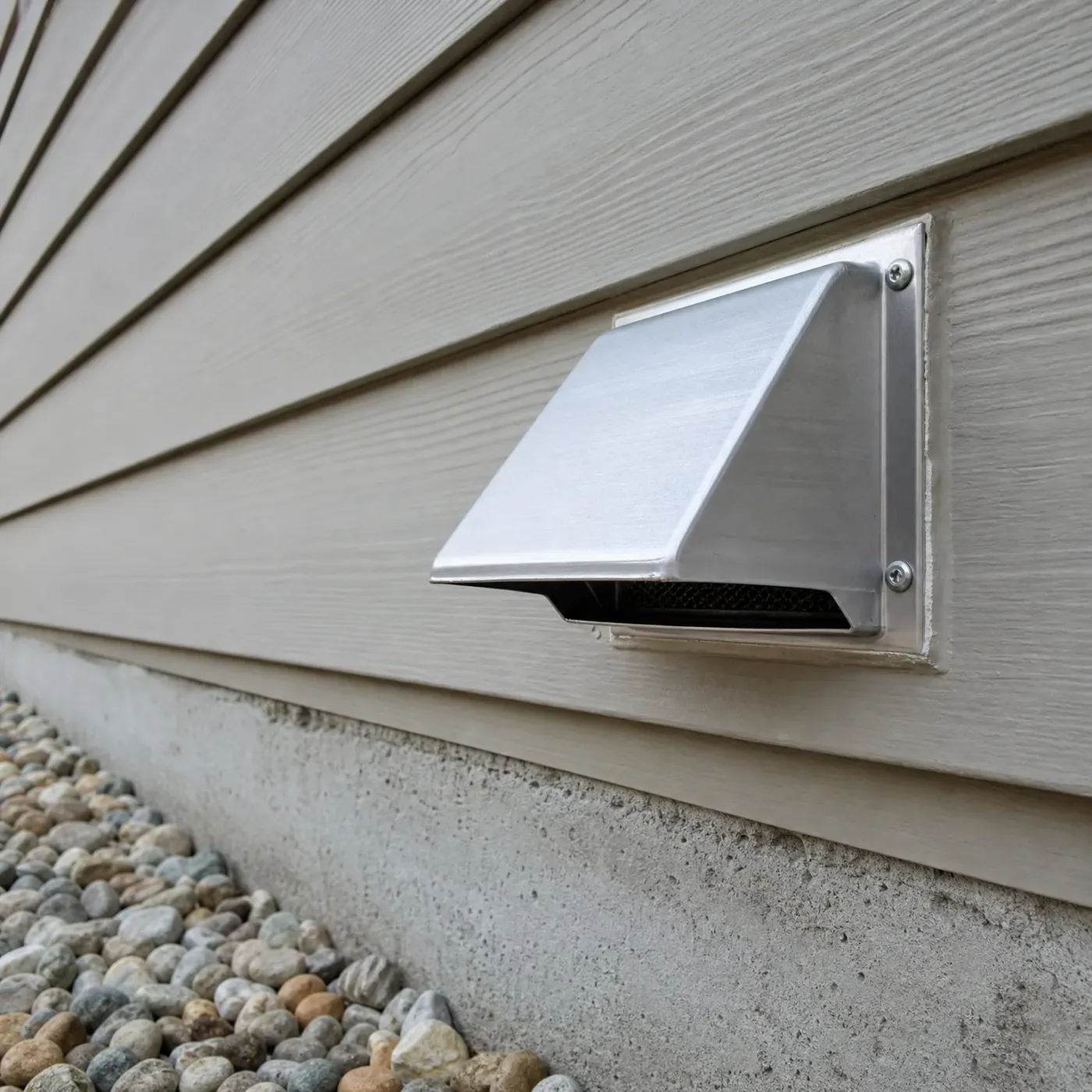
A metal hooded dryer vent with a louvered opening mounted on beige horizontal lap siding above a concrete foundation wall.

A vent that's clear

Air moves straight out through the cap when the dryer runs. The flap swings open with the airflow and falls shut when the cycle ends. A dryer vent that looks like this is doing its job, and a load of towels dries in the time it should.

A white hooded dryer vent mounted on horizontal lap siding, with a thick mass of gray lint clogging the opening beneath the hood.

A vent that's choked

Lint has built up enough to hold the flap open on its own, with no air pushing it. That lint is a fire risk sitting right against the siding, and it means the duct behind it is likely packed the same way its whole length.

What actually happens inside the vent that makes it need cleaning?

You want to know what's actually going on inside the duct, not just that lint builds up. It helps to picture the process: every load pushes warm, wet air through a long metal or vinyl tube, and something in that tube changes over the months. Knowing what's happening tells you why the vent needs attention even if nothing seems wrong yet.

Wet lint sticks to the inside of the duct and dries there

The air coming off your clothes is warm and carries moisture along with the lint the trap missed. Inside the duct, that moisture lets lint stick to the walls of the tube instead of blowing straight through. Each load adds a thin layer, and the layer dries and hardens in place. Over months it narrows the path the air has to travel, and the dryer has to push harder to move the same amount of air. In a longer run, or one with a few bends, this builds up fastest at the elbows, where the airflow slows down enough for lint to catch. That's the part of the vent most worth checking even when the rest of the line looks fine.

A white louvered dryer vent hood mounted with four screws on beige horizontal lap siding above a gray stucco foundation and concrete walkway.
Screws snug, louvers open, nothing hanging out of the hood. The flap can swing free and the dryer pushes air straight outside.
A white plastic dryer vent hood mounted on beige horizontal vinyl siding, with lint clogging its lower opening and a concrete foundation below.
Lint packed across the opening like this means the dryer is fighting to push air out at all, and it's overdue for a cleaning.

Is your dryer taking longer than it used to?

You run a load and it comes out still damp, so you run it again. The top of the dryer feels hot to the touch. The laundry room smells warm and a little stale instead of clean. Clothes come out hotter than they should, and towels feel rough even after a full cycle. Outside, check the vent hood on the wall: if the flap barely moves or lint is caught in the louvers, air isn't getting out the way it should. Left alone, a blocked vent makes the dryer run hotter and longer than it's built for, and that heat has nowhere to go but back into the line and the room around it.

A wall-mounted plastic dryer vent hood on light-colored horizontal vinyl siding, clogged with lint and debris hanging from its opening, above a gray painted foundation.
Before you get your dryer vent cleaning
A white hooded dryer vent with a louvered grille screwed to beige horizontal lap siding above a lighter foundation wall.
After you get your dryer vent cleaning
A metal hooded exterior vent with a screened opening screwed to beige lap siding above a concrete foundation, with gravel at the base.

Stop chasing a dryer vent pro

The pro who gets in touch is licensed in Wyoming and works in Natrona County.

After this form, you can stop searching for a dryer vent pro.

Reach a local pro

You only hire the pro if you want to.

2.32 people per household on average

Most households here run two or three people, which usually means a load or two of laundry a day. That's steady, regular use pushing lint through the duct year round, so the annual cleaning isn't something to put off a season or two past due.

ACS 2020-2024

Dry winter air moves lint faster

Natrona County runs dry most of the year, and dry lint moves through a duct easier than damp lint does. That sounds like a point in your favor, but it means lint travels farther down the line before it catches, instead of clumping near the trap where you'd notice it. By the time it piles up near the cap, the whole run is lined. A humid climate would slow that process down. Here it doesn't, which is part of why the one-year mark matters instead of waiting for a visible sign.

Winter heat leans on a clear vent

Most homes in Casper heat with gas, and a gas dryer vents its exhaust the same way a gas furnace vents combustion gases, through a dedicated line to the outside. A duct packed with lint doesn't just slow your laundry. It makes the dryer run longer to do the same job, and a dryer running longer is pulling more gas or more power to get there. Power here is typical in price, so that difference shows up on the bill the way any extra runtime would, not because the rate is unusual but because the dryer is working harder than it should.

What does a Natrona County home actually mean for your vent?

  • 2.32 people per household on average

    With 2.32 people per household on average, most homes run a load or two a day, so lint moves through the duct on a steady schedule all year.

  • Half the homes here were built by 1977

    Half the homes in Natrona County were built in 1977 or earlier. If yours is one of them, ask what kind of duct run is back there before you assume it's a straight shot to the wall.

  • Power here costs 14.99 cents per kilowatt-hour

    At 14.99 cents per kilowatt-hour, power here runs typical. A clogged vent still makes the dryer work harder and run longer to finish the same load.

ACS 2020-2024 · EIA-861 2025

Once a Year, On Schedule

  • Once a year is the number to work from, and it holds whether your house is new or built back when half of Natrona County's homes went up.
  • A load or two a day, year round, is enough lint moving through the duct to need that yearly cleaning on schedule.
  • A local contractor who clears dryer vents every season in this area knows what a Casper winter does to a duct run before the first visit even starts.
  • Sending one request means one contractor calling you back, not a string of companies working off the same form.
  • A clear vent gets your towels dry in the time they should take, and that's the whole point of the yearly cleaning.
  • If your dryer is already running hot or slow, the vent is telling you it's due now, not next year.

Clean your dryer vent once a year. That's the number, and nothing about your house changes it, whether it's new or old enough to have been part of that first wave of Natrona County homes going up decades back. A load or two a day moves enough lint through the duct to bring you back to due right on schedule, every year, without exception. If your dryer's already taking longer than it should, or running hotter than you remember, the vent is telling you now is the time, not whenever you next think of it.

Finding someone to do the work is the part that usually sits on a list for weeks. One request here goes to one contractor, local to Casper, who works on vents like yours all season and already knows what a hard Natrona County winter does to a duct run before showing up. You're not fielding calls from three different companies trying to beat each other to your inbox. You're waiting on one call, from someone who clears this exact problem out of homes around you on a regular basis.

A clear vent means a load of towels dries in the time it should, the dryer doesn't run hot trying to push air through a packed line, and you're not back in this spot again come next summer or winter. That's what the yearly cleaning buys you. The rest is just making sure it happens on time, with someone who knows the area and the equipment well enough to get it done right the first visit.

A dark gray hooded exterior vent cover with a louvered opening mounted on dark horizontal lap siding, viewed at a steep angle.

Send one request and you're done looking

A licensed pro who works in Natrona County gets your request.

Duct and vent cleaningNatrona County, WY
Step 1 of 3

What kind of equipment?