


Is a clogged dryer vent a fire risk in Cheyenne, WY

Once you send the form, finding a pro is off your list.

Send my request

Yes, a clogged dryer vent is a real fire risk. Lint is what burns. Every load pushes more of it into the vent, and if the vent is long, crushed, or full of bends, that lint builds up instead of blowing outside. The dryer's heating element sits right next to all that trapped lint, and the motor keeps running even as hot air backs up with nowhere to go. That's the combination that starts a fire. You'll usually see warning signs first: clothes that take two or three cycles to dry, a laundry room that feels hotter than it should, or a burning smell when the dryer runs. Winters in Cheyenne mean the dryer gets used harder for months at a stretch, so a vent that's been filling up all year gets pushed the hardest right when you need it most. Clearing the vent out removes the fuel before it matters.

A white plastic hooded dryer vent cover mounted with screws on beige horizontal lap siding, next to a plain pale wall surface.

Why the lint builds up here

A dryer vent clogs faster when it runs long or takes several turns to reach outside, and that's common in homes built with the dryer tucked away from an exterior wall. Each load adds a little more lint to the inside of that duct. Once airflow slows, the dryer runs hotter and longer to dry the same load, and that heat has less of a way to escape.

A metal louvered exterior vent hood screwed to a beige horizontal lap siding wall, with a blank light-colored surface filling the left half of the frame.

What a clean vent changes

A clear vent lets the dryer push hot, damp air straight outside in one pass. With a clogged one, that same air lingers inside the duct, carrying heat back toward the lint trap and the drum. Gas dryers add a flame to that equation, and that flame depends on a steady draft to vent its exhaust. A blocked vent interrupts that draft.

How does a clogged dryer vent actually start a fire?

You want to know the mechanics of it, not just that it's dangerous. You've heard dryer fires start from lint, but you want to understand the actual sequence: what has to go wrong inside the machine before a pile of lint turns into flames, and why a clogged vent is the thing that makes that sequence possible.

Trapped heat ignites the lint sitting against the heating element

A dryer is built to push hot air through wet clothes and out through the vent. When the vent is clogged, that hot air has nowhere to go, so it backs up inside the duct and the dryer itself. The heating element keeps firing because the thermostat thinks the air isn't hot enough yet, since so much of it is stuck rather than moving past the sensor. That trapped heat sits right against a duct packed with lint, and lint ignites at a lower temperature than you'd expect. Once it catches, the fire has a straight path of fuel running back through the vent, often into the wall cavity behind your dryer.

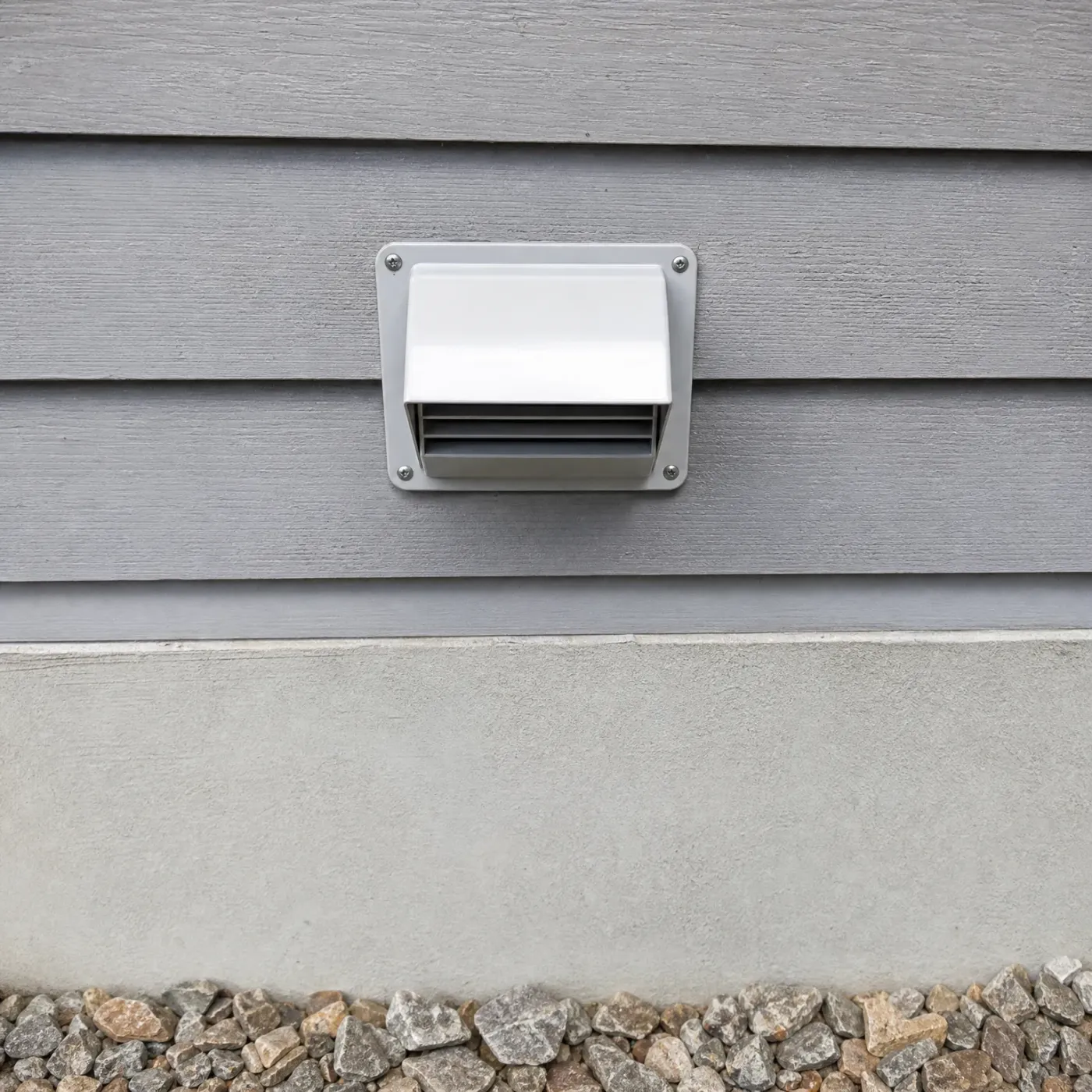
A white hooded louvered vent screwed to gray horizontal lap siding above a concrete foundation wall, with gravel along the ground.

Venting clean

Air moves straight out through the louvers, and they swing open wide when the dryer runs. A load of towels finishes in one cycle instead of two. You can check this yourself: step outside while the dryer runs and hold your hand near the vent. You should feel strong, steady airflow.
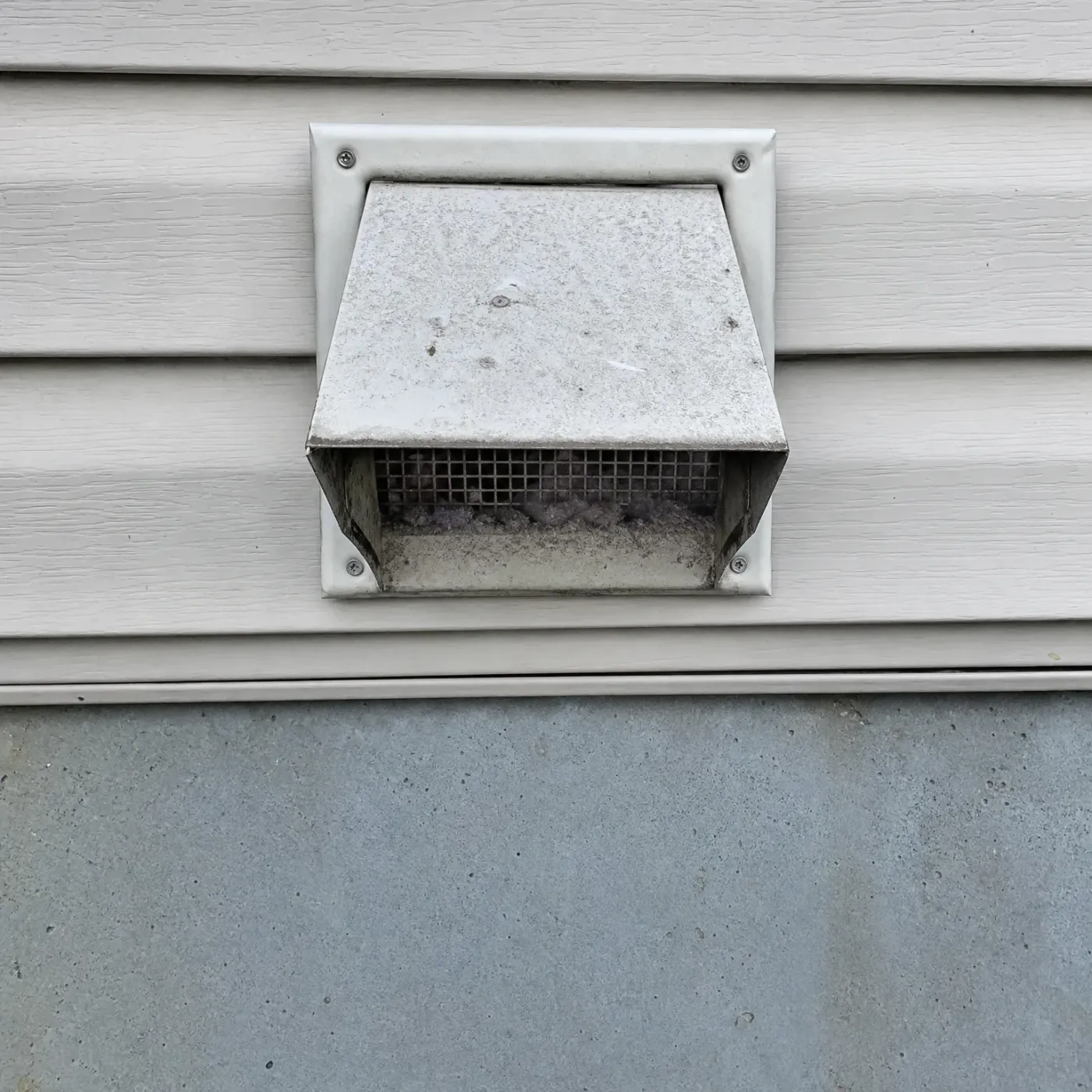
A metal dryer vent hood with a screened opening clogged by gray lint, mounted on light gray horizontal vinyl siding above a concrete foundation wall.

Venting clogged

Lint has caked over the hood and packed the screen behind it, so the louvers barely move. Hot, damp air backs up into the duct instead of escaping. That trapped heat sits against the dryer's heating element load after load, which is how a clogged vent turns into a house fire.

Who's running that dryer, and what happens if it catches?

  • 2.3 people per household on average

    With 2.3 people in the average Laramie County household, that dryer is probably running most days of the week, which means lint is going into the vent constantly.

  • Half the homes here were built by 1980

    Half the homes in Laramie County were built in 1980 or earlier, and the duct runs in older houses weren't always built with today's venting standards in mind.

  • Power here costs 16.11 cents per kilowatt-hour

    At 16.11 cents per kilowatt-hour, a dryer working harder to push air through a clogged vent is also a dryer costing you more to run every month.

ACS 2020-2024 · EIA-861 2025

A white hooded dryer vent with a screened opening mounted on beige horizontal lap siding.

A vent that's clear

The louvers swing open flush and the screen behind them stays visible, not packed with fuzz. Air leaves in a steady push you can feel from a few feet away. The screws holding the cap stay clean too, since nothing's built up around them to catch dust off the siding.

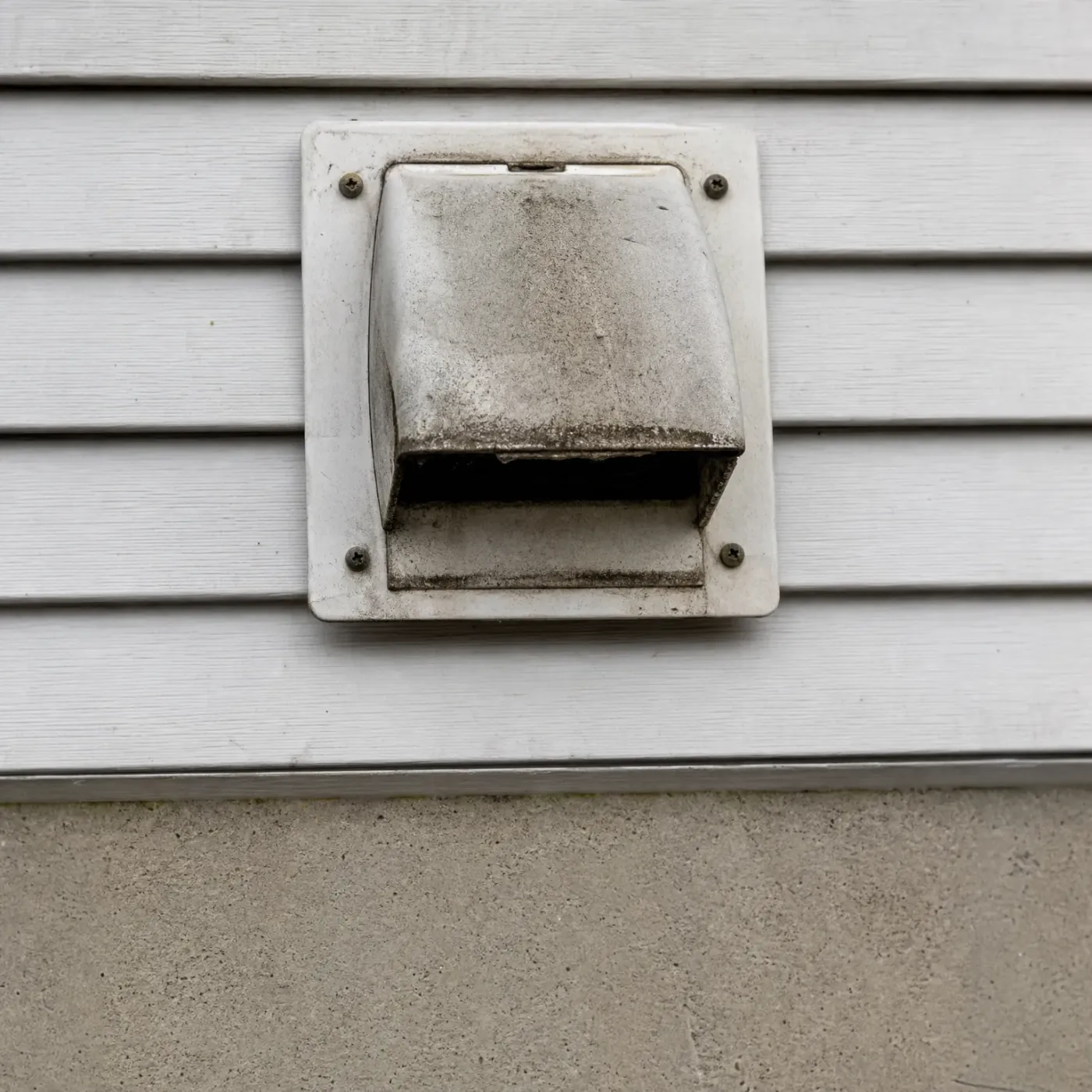
A dirt-streaked white plastic dryer vent hood screwed to light gray horizontal lap siding above a concrete foundation wall.

A vent that's choked

Lint has caked around the flap opening and dulled the metal gray with dust. The louvers barely lift when the dryer kicks on, because there's not enough airflow behind them to push the hood open. That buildup sits right at the outside end of a duct that's full the same way inside.

Clean the Vent or Risk a Fire

Clean the vent

  • A contractor runs a brush through the full length of the duct, so bends and the final run to the cap get cleared, not just the first few feet.
  • The dryer's moisture has somewhere to go, so a load of jeans finishes in one cycle instead of running twice to get dry.
  • The heating element cycles normally instead of staying on longer to push air through a packed duct.
  • Someone who services vents every week in Laramie County knows which setups clog fastest, like long runs or several turns to an exterior wall.
  • The louvers on the outside cap swing open fully again once the duct behind them isn't packed with lint.
  • You get one person on the job, not a handful of calls from different companies chasing the same lead.

Leave it clogged

  • Lint keeps building with every load, since nothing moving through the vent catches it or clears it out.
  • The heating element runs longer to push warm air through a duct that's partly blocked, raising the surface temperature right where the lint sits.
  • A load takes two cycles instead of one, which you'd notice before you'd ever see the clog itself.
  • The outside cap's louvers barely crack open, so the warm, damp air the dryer pushes out backs up instead of escaping.
  • Lint sitting against a hot element for months is what turns a slow clog into a fire, not a single overloaded load.
  • The problem stays invisible until the dryer takes two or three cycles to dry anything, or the vent hood outside barely moves air at all.
A metal dryer vent hood mounted on beige horizontal lap siding, with gray lint clogging its open flap, above a lighter textured foundation wall.
Before you get your dryer vent cleaning
A white hooded exterior dryer vent with a mesh screen, screwed to light gray horizontal lap siding above a concrete foundation.
After you get your dryer vent cleaning

Finding a pro stops being your job

The pro who gets in touch is licensed in Wyoming and works in Laramie County.

It costs nothing to send, and you don't have to hire anyone.

What a clogged vent costs you

A dryer working against a packed vent runs hotter and longer to dry the same load. You'll run towels or jeans through twice, and the extra heat wears on the heating element and the thermal fuse. Over months that shows up as a higher power bill, and power here isn't cheap. You may also notice the dryer itself gets hot to the touch, or the laundry room warms up during a cycle. That heat has nowhere to go but back into the machine and the room around it.

What's actually at risk

Lint built up against a hot heating element is what starts a dryer fire. It doesn't need a spark, just enough trapped heat for long enough. A clogged vent holds that heat in rather than carrying it outside with the exhaust air. The risk isn't rare or exotic. It's the direct result of a dryer that's run hundreds of loads without the duct being cleared. The longer a vent goes without cleaning, the more lint sits exactly where the heat is.

A smiling man in a green ribbed sweater stands behind a wooden table holding a ceramic mug of coffee in a kitchen with white subway tile, shelves of potted plants, and a bowl of fruit.
A smiling man with dark curly hair and a beard, wearing a dark green knit sweater, stands at a white marble kitchen counter with a dark blue mug, with open shelving, pendant lights and a houseplant behind him.
A smiling bearded man in a green henley shirt stands at a kitchen island with a gray mug, looking off to the side, with a dining area and shelves blurred behind him.
A smiling man in a navy long-sleeve shirt sits at a wooden table in a kitchen and dining area, with a ceramic mug, a potted plant, and a sliding glass door behind him.

What would you actually notice if your vent was clogged

Towels or jeans that used to finish in one cycle now need a second run. The top of the dryer feels hot to the touch partway through a load. The laundry room holds onto a warm, damp smell even after the cycle ends. Outside, the vent hood barely moves air, you can hold your hand near it and feel almost nothing. Lint shows up around the drum seal or in the lint trap housing itself, not just the screen. Any one of these on its own might not mean much, but together they point to a vent that isn't clearing. Left alone, that's lint sitting next to a heating element that keeps running hot to compensate, and that's how dryer fires start.

A white hooded exterior vent cover with a louvered underside, screwed to beige horizontal lap siding above a lighter stucco lower wall.
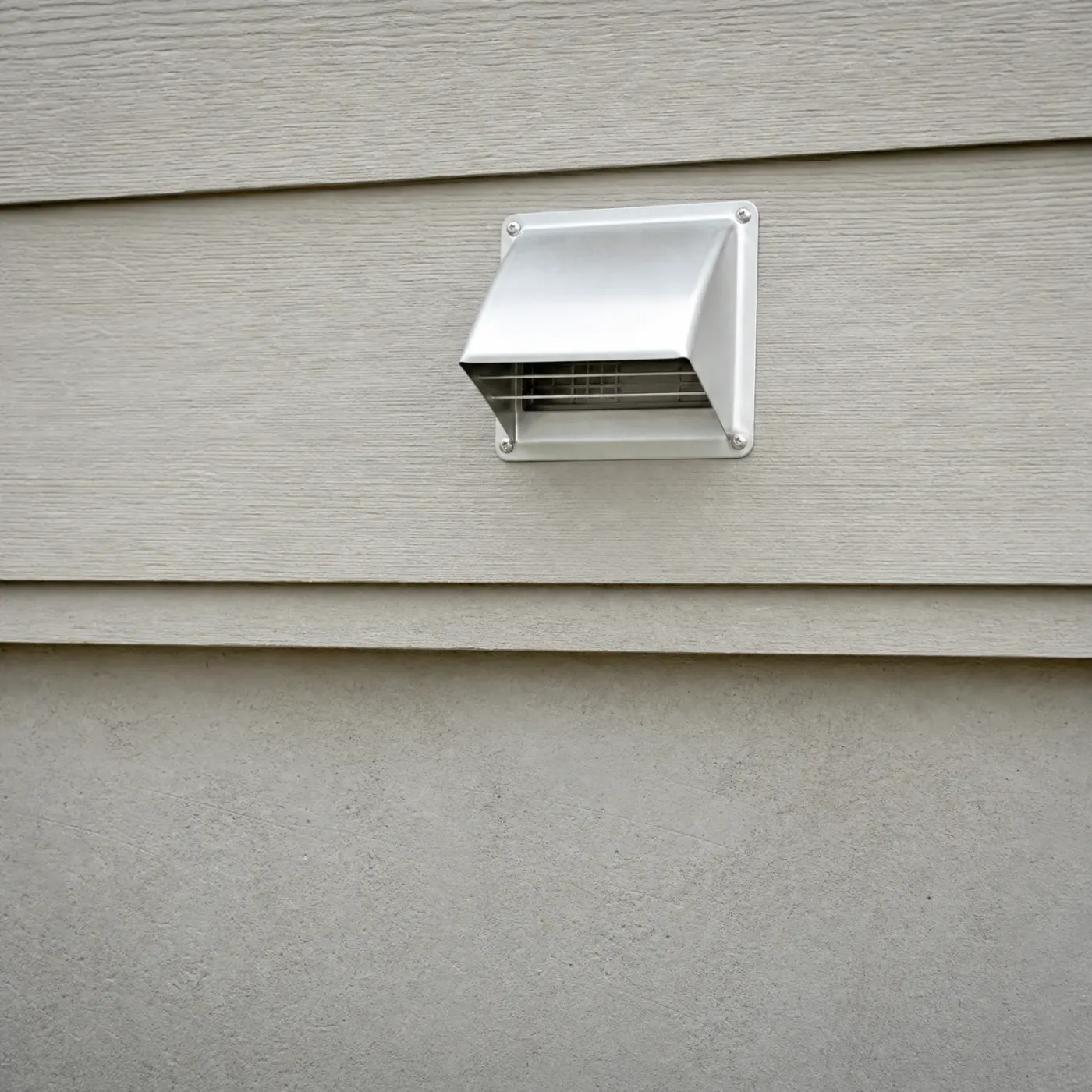
This is what a clear vent looks like. Air pushes the louvers open and the cap stays clean.
A beige plastic dryer vent hood mounted on horizontal vinyl siding, with clumps of gray lint protruding from the open flap.
This is what feeds a fire. Lint has packed the louvers so full it's pushing out past the cover.

2.3 people per household on average

With close to three people in most Laramie County households, that dryer is likely running near daily, not once a week. More loads means lint reaching the vent faster, so the time between cleanings matters more than it would in a quieter laundry room.

ACS 2020-2024

A bearded man in a dark gray T-shirt sits smiling on a light gray couch, with a houseplant and a framed picture on the wall behind him.
A bearded man in a plaid flannel shirt over a gray tee looks out a frosted multi-pane window with snow outside, a steaming dark mug on the sill beside him and shelves of dishware behind.

Where that leaves you

  • A clogged dryer vent is a fire risk because lint is fuel, and the dryer's own heat is the ignition source.
  • The louvers and the screen tell you where you stand, open and clean means the vent is doing its job.
  • A second cycle for towels or a hot top panel is the vent asking to be cleared before it's ignored again.
  • A local contractor who works on vents through every Cheyenne winter knows which runs clog first and why.
  • One contractor takes the job, so you're not fielding calls from three companies for the same cleaning.
  • Once you send the request, the search for someone qualified is off your plate.

The vent either moves air or it doesn't, and now you know how to tell which. Open louvers, a clean screen, one cycle to dry a load of towels, that's a vent doing its job. A second cycle, a hot panel, a cap crusted with lint, that's the fire risk this page started with, sitting in your laundry room right now. Nothing about that changes until someone runs a brush the full length of the duct, not just the first few feet near the wall.

That part's worth being specific about. A contractor who clears vents through a Cheyenne winter sees the same runs fail the same ways, the long stretch to an exterior wall, the tight bend behind the machine, the cap that ices up and traps lint behind it. That's not guesswork. It's the kind of thing you only know from doing it on houses like yours, season after season.

Send the request once and one contractor picks it up, licensed, local, already familiar with how vents behave in this county. Not three companies calling back at once, not you sorting through quotes. Just the job, handed to someone who knows what to look for before they open the vent cover. From there it's off your plate. You asked whether a clogged vent could start a fire. It can. What happens next is just getting it cleared.

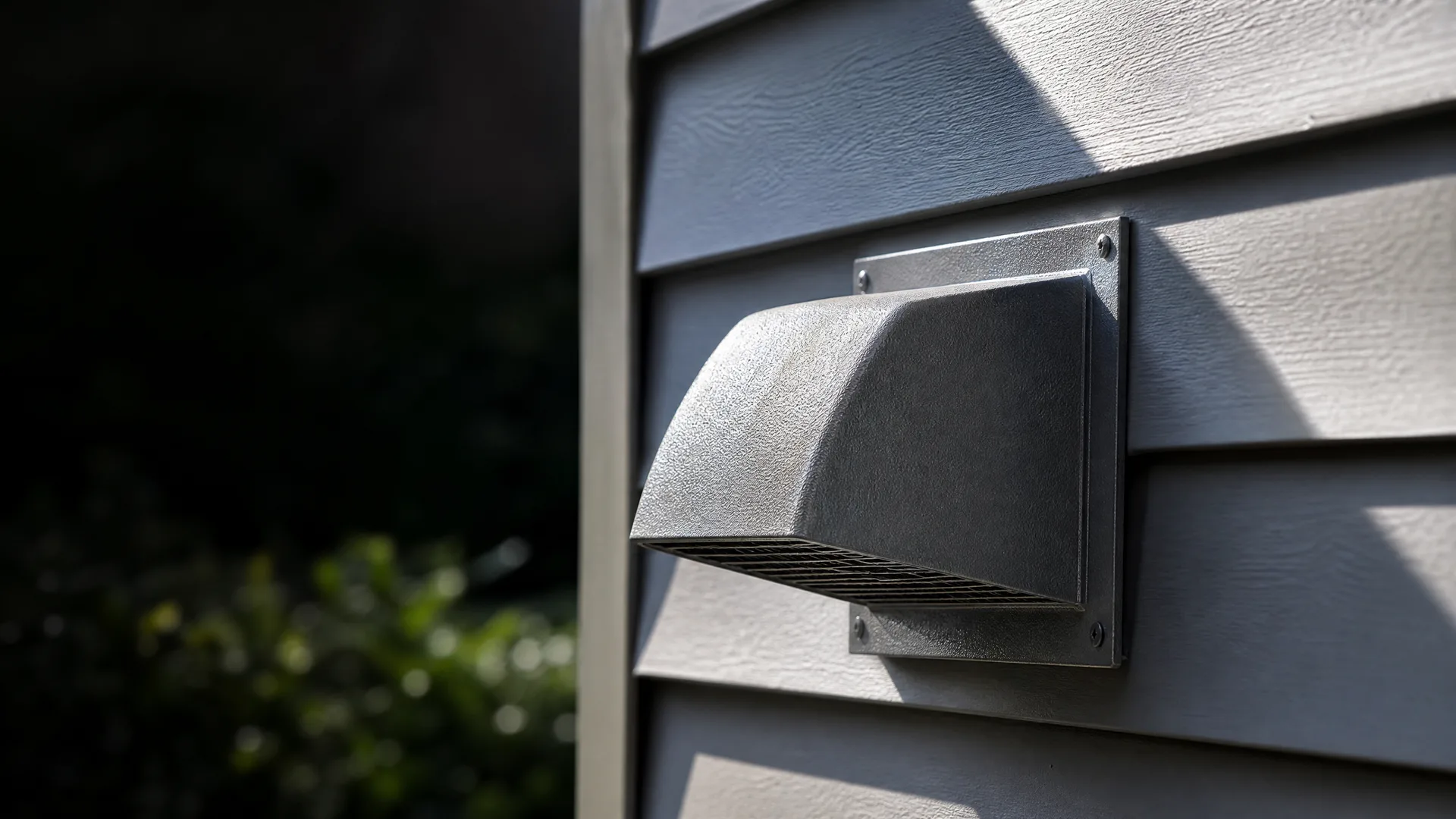
A metal hooded wall vent with a louvered opening mounted on gray horizontal lap siding, with green shrubbery blurred in the dark background.

Let someone else find the pro

Duct and vent cleaningLaramie County, WY
Step 1 of 3

What kind of equipment?