





Signs of a clogged dryer vent in Casper, WY

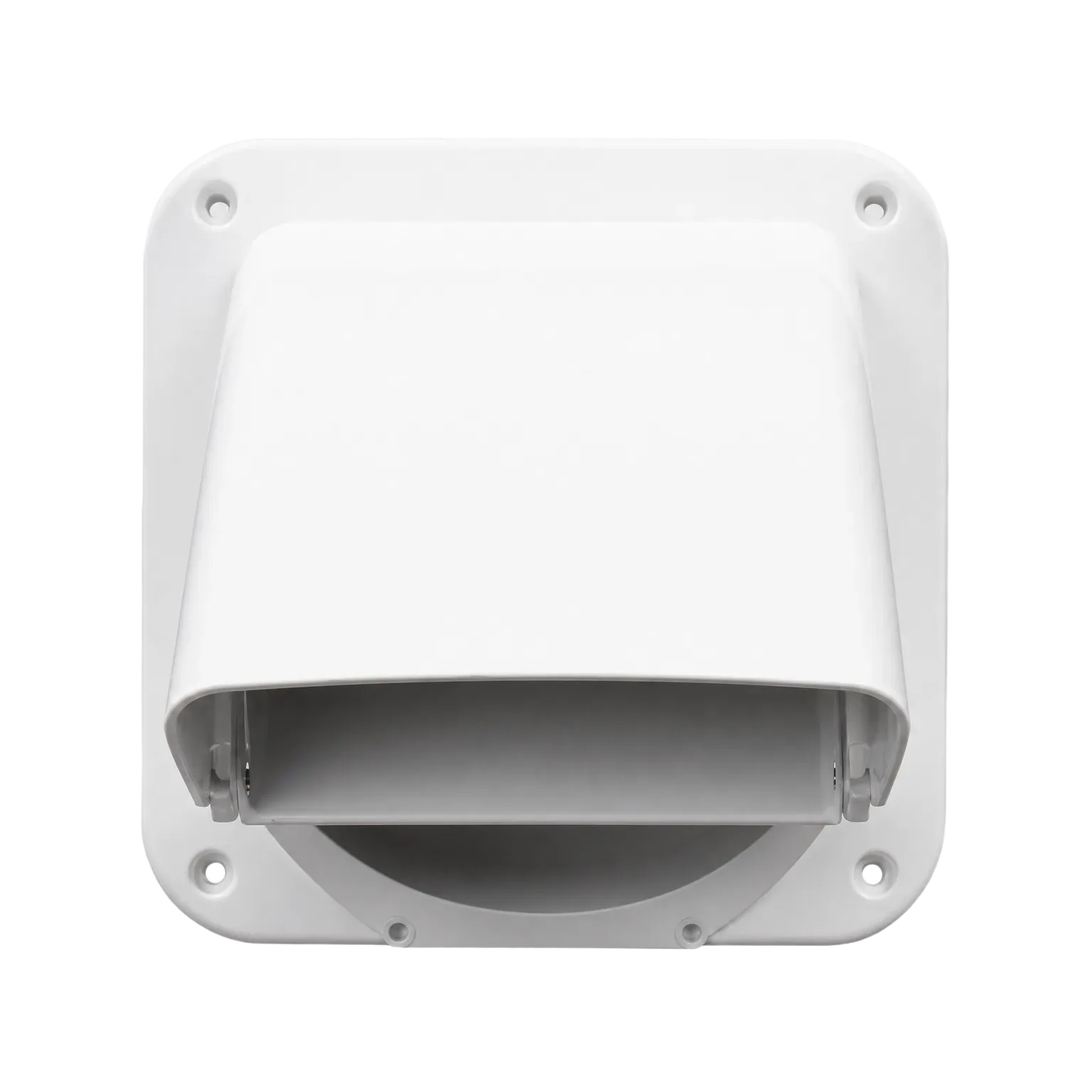
A white plastic wall vent with a square mounting flange, hooded cover, and round duct collar visible beneath, shown against a plain light gray background.
Hand it off

What are the signs of a clogged dryer vent?

Your dryer takes two or three cycles to dry a load that used to finish in one. Or the top of the dryer feels hot to the touch, or you smell something warm and dusty when it runs. You haven't had the vent cleaned since you moved in, and you're trying to figure out if that's the problem before it turns into something worse.

Long dry times and a hot dryer top are the clearest signs

A clogged vent stops air from moving the way it should, so heat and moisture stay trapped inside the drum instead of venting outside. That shows up as clothes still damp after a full cycle, a burning or hot dust smell, or the outside vent hood barely moving when you hold your hand near it while the dryer runs. Lint built up around the hood flap is another sign, and so is the dryer shutting off mid cycle on its own. In Casper, where summers run hot and dry, lint tends to pack tighter in the vent than it would somewhere damp, so these signs can show up sooner than you'd expect. Left alone, a blocked vent makes the dryer work harder and run hotter than it's built to.

A white plastic hooded dryer vent with a louvered opening mounted on gray horizontal lap siding, beside a plain light-colored wall surface.

Why the lint builds up here

Casper summers are hot and dry, and dry air pulls moisture out of every load fast, which sounds good but it means more lint gets carried into the vent instead of staying in the trap. Over months that lint packs into the bends and the hood flap, narrowing the path the air has to take. A dryer that used to vent freely starts pushing against a wall of its own lint.

A white hooded dryer vent cover screwed to beige horizontal lap siding on an exterior house wall, with a blank wall at left.

What the vent hood tells you

Walk outside while the dryer runs and look at the vent hood on the side of your house. The flap should swing open and you should feel steady warm air coming out. If the flap barely moves, or the air feels weak, or you see lint caught in the flap itself, the line between the dryer and the outside is restricted somewhere along its length, not just at the lint trap you clean every load.

Why does vent lint build up faster in some Casper homes?

  • 2.32 people per household on average

    With 2.32 people in the average household here, laundry runs often enough that a vent only cleaned once never catches up to the lint coming through.

  • Half the homes here were built by 1977

    Half the homes in Natrona County were built in 1977 or earlier. An older vent run often has more bends or a longer path for lint to catch in.

  • Power here costs 14.99 cents per kilowatt-hour

    Electricity here runs 14.99 cents per kilowatt-hour, close to the national rate, so a clogged vent making the dryer run two or three cycles shows up on the bill, not just the clock.

ACS 2020-2024 · EIA-861 2025

How a Dryer Vent Actually Clogs

  • Lint collects first at the elbow joints where the vent turns, not in a straight line down the hose.
  • A clogged vent traps heat in the drum, so the high-limit thermostat cuts the burner on and off more than it should.
  • The flapper on the outside hood should open when the dryer runs; if it barely lifts, airflow is already restricted.
  • Lint packed deep in a rigid metal duct can hide a bird or rodent nest built over the summer.
  • A dryer venting through 15 or more feet of duct with several turns loses airflow faster than a short, straight run.
  • The lint trap only catches what passes through it on the way to the drum; the rest rides the exhaust air straight into the vent.

A dryer vent doesn't clog evenly. Air moving through a straight pipe carries lint along with it, but the moment the duct turns, at an elbow behind the machine or where it bends toward the wall, the airflow slows just enough for lint to drop out and stick. That's where buildup starts, long before the rest of the duct shows any trouble. As that first layer builds, less hot air escapes, so more of it stays trapped in the drum. The high-limit thermostat reads that heat and starts cutting the burner on and off more often than it would on a clear vent, which is part of why a load takes longer to dry even though the dryer seems to be running fine. Outside, the hood flap is a quick way to check the real story. It should swing open under the force of the exhaust air while the dryer runs. If it only opens a crack, something downstream is already restricting flow. In rigid metal ducts, especially ones that sat unused for stretches over summer, that restriction is sometimes more than lint. Birds and rodents build nests in vent openings when they're warm and sheltered, and a packed duct hides that completely until someone opens it up. None of this is about the lint trap. It only catches what passes through it on the way to the drum. Everything that gets past it is riding the exhaust air into the duct itself, which is where all of this actually happens.

A smiling man in a green sweater stands at a kitchen counter with a dark mug, with an open-plan dining area and large windows behind him.
A smiling man in a dark green sweatshirt sits at a kitchen island with a gray mug, with cabinets, plants, and a dining area near large windows behind him.
A smiling bearded man in a green sweater sits at a white marble kitchen island with a mug, potted plant and bowl of fruit, in a bright white interior with open shelving and an arched doorway.
A smiling man in a gray long-sleeved shirt stands in a kitchen looking to the side, with open shelves of dishes, a white mug on the counter, a potted plant, and a view through a doorway into a living room.
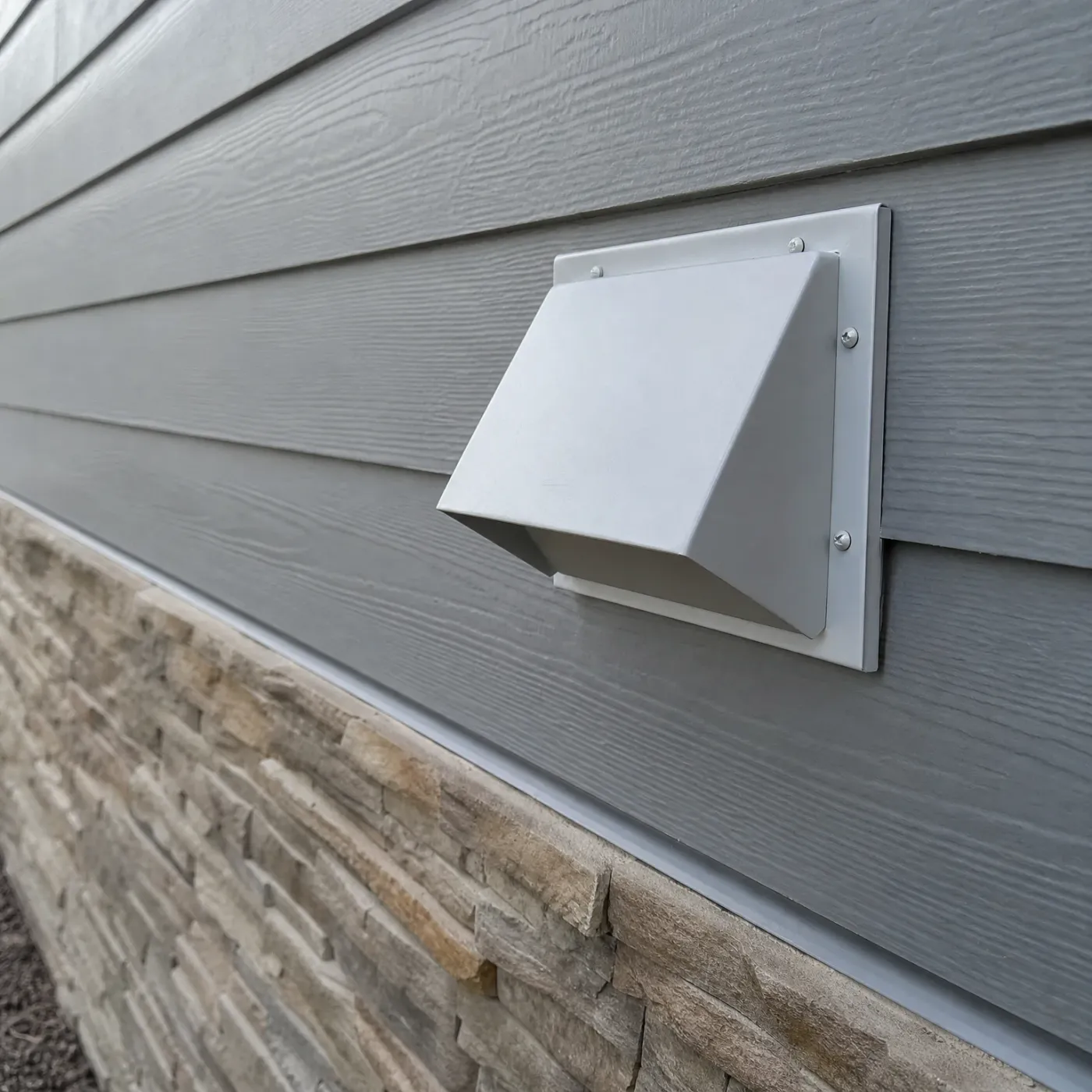
A white hooded exterior vent cover screwed to gray horizontal lap siding above a stacked stone veneer base.

It's off your list after this

The pro who gets in touch is licensed in Wyoming and works in Natrona County.

After this form, you can stop searching for a dryer vent pro.

Find a licensed dryer vent pro

Sending the form costs nothing.

Clean It Yourself or Call Someone

Clean the vent yourself

  • A hand brush or a vent cleaning kit from the hardware store reaches the first several feet, which covers the bends where lint usually sits.
  • You can see and feel whether airflow improves right after, by holding your hand near the outside hood while the dryer runs.
  • It costs you only the price of the brush kit and your own time on a Saturday.
  • Most kits can't reach the full run if your vent is long or has more than a couple of turns, so lint further down stays put.
  • You won't know if the flapper hood outside is damaged or stuck unless you also go outside and check it yourself.
  • If the clog is packed hard against an elbow joint, a flexible brush can push lint deeper instead of pulling it out.

Have it professionally cleaned

  • A contractor working in Casper and Natrona County all season knows which duct runs and elbow setups tend to clog first in homes here.
  • Proper equipment reaches the full length of the vent, not just the first few feet, so lint packed near the outside hood comes out too.
  • A cleaning includes a check of the outside flapper hood, so a stuck or damaged one gets caught instead of missed.
  • Sending one request gets you one local, licensed contractor, not a string of calls from companies bidding for the job.
  • Once you send the request, finding someone to do the work is off your plate.
  • A thorough cleaning clears the whole run in one visit, which matters more the longer it's been since the vent was last cleaned.
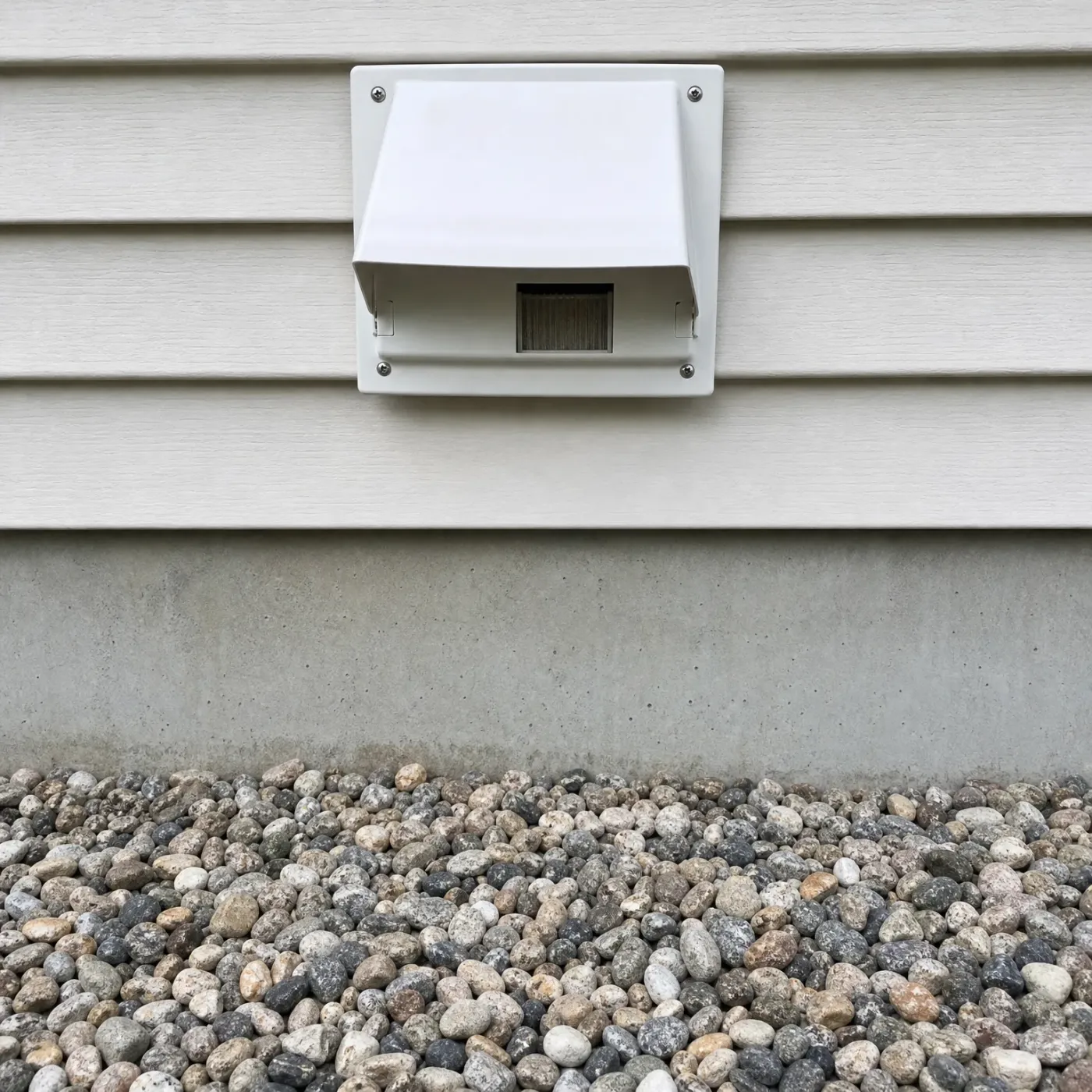
A white hooded dryer vent cover screwed into beige lap siding above a concrete foundation wall, with a bed of rounded gravel at the base.

Vent clear and venting

This is what a clear vent looks like from outside. The hood sits flush, the flap hangs loose, and air pushes it open the second the dryer starts. Lint stays behind in the trap where it belongs, and the hot, damp air gets outside instead of backing up into the duct.
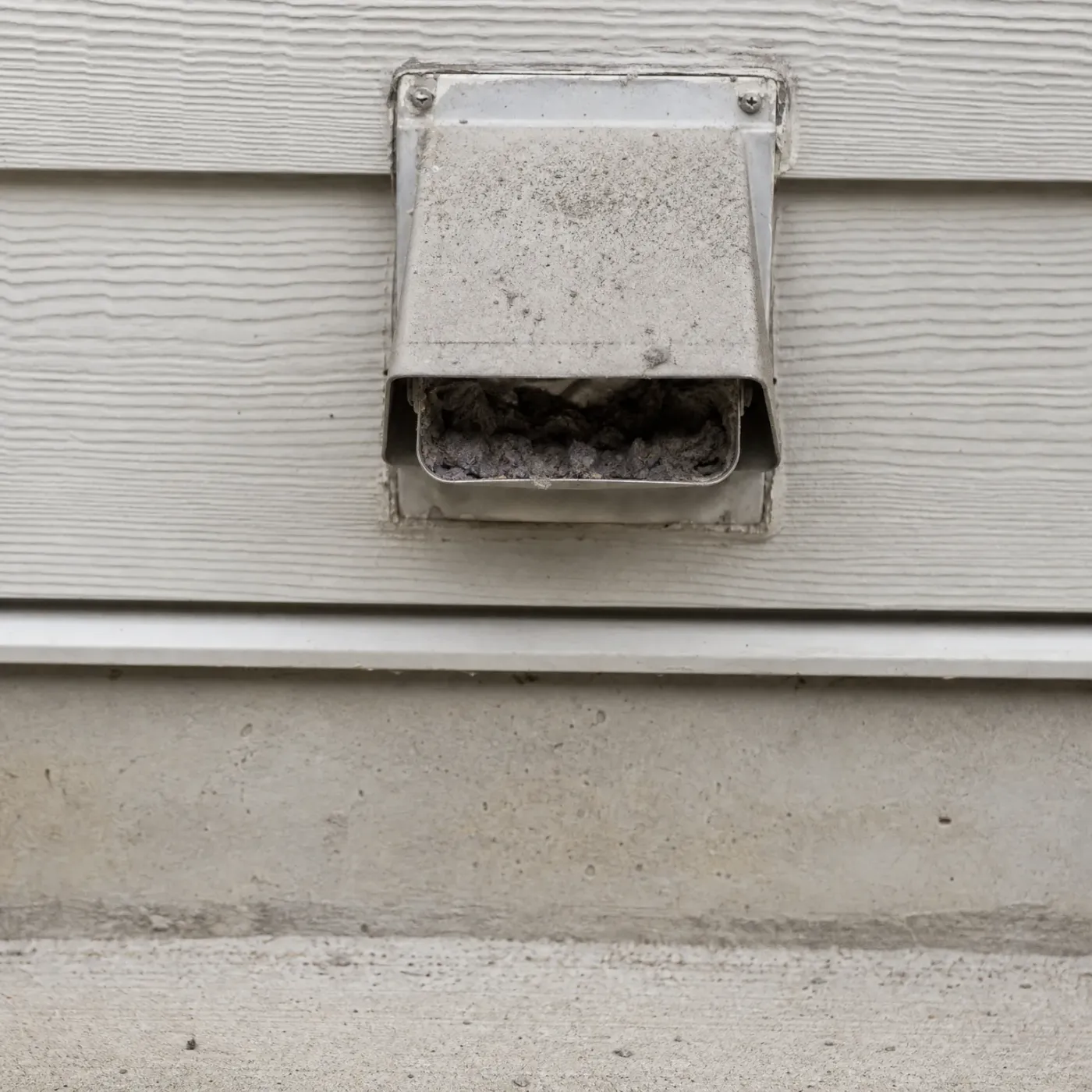
A metal dryer vent hood mounted on light gray horizontal lap siding, with its opening clogged by gray lint, above a concrete foundation wall.

Vent packed with lint

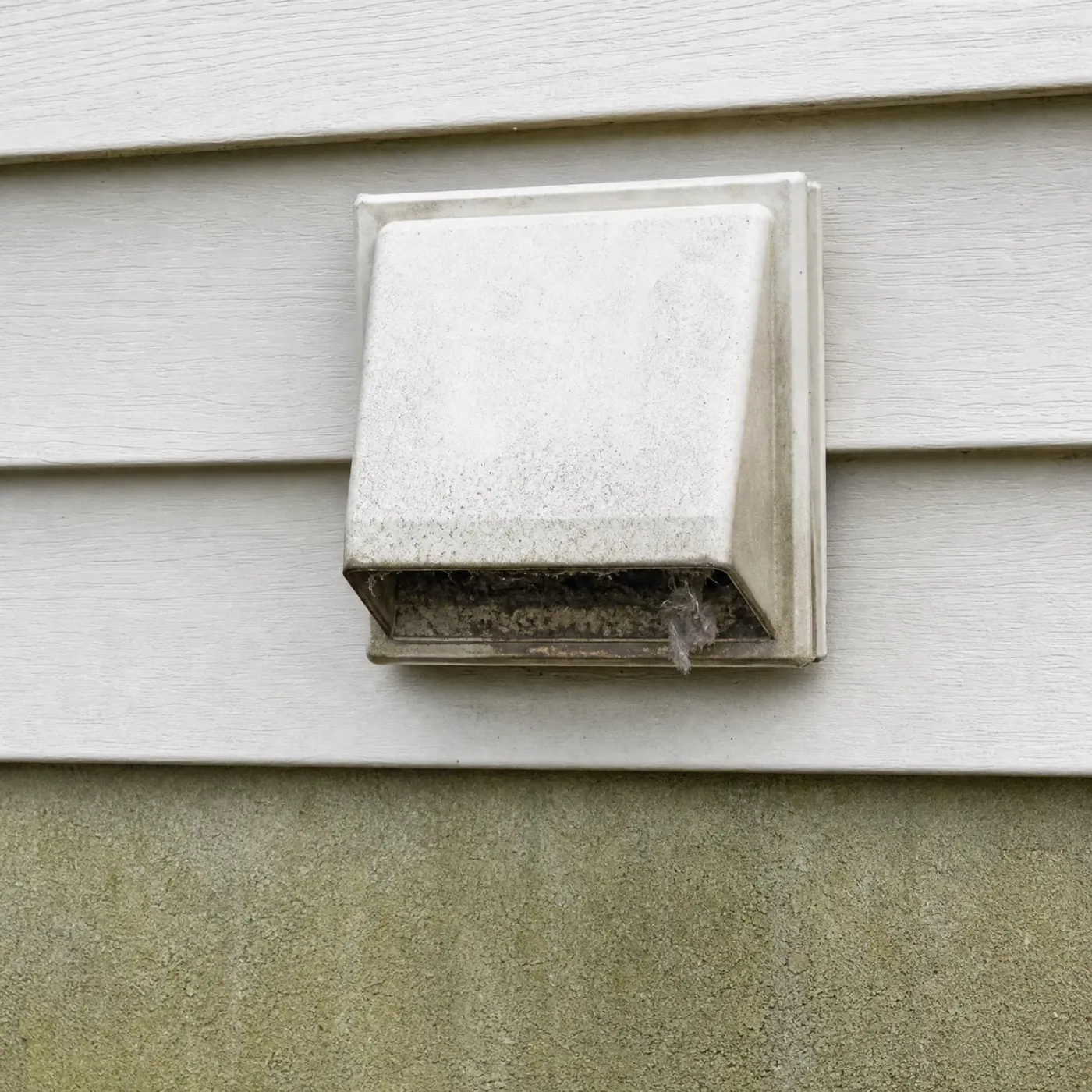
Here the flap can't close all the way because lint has built up behind it and worked its way to the opening. Air that should be pushing straight out is fighting through a narrowing gap, which is why the dryer upstairs is running longer and hotter than it should.

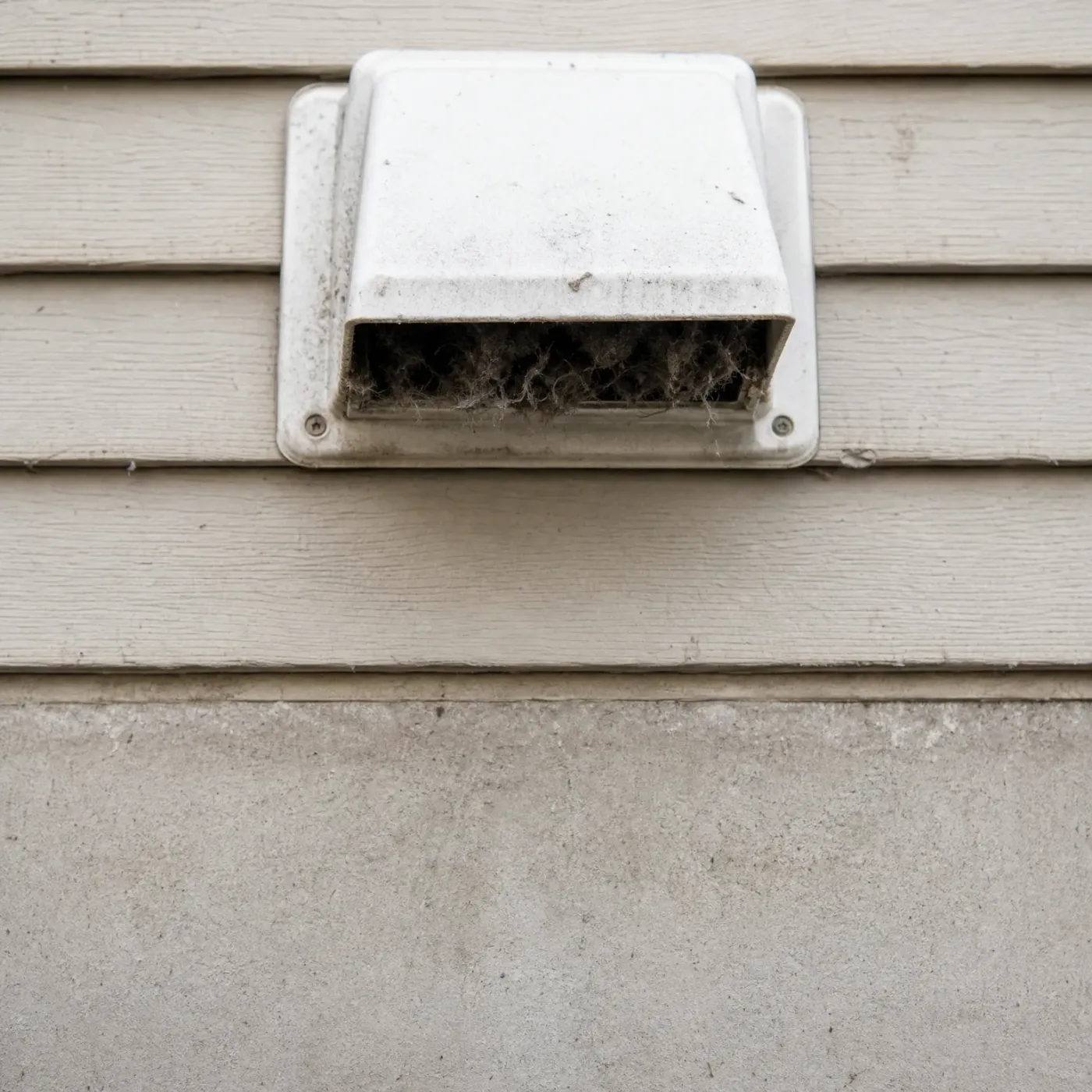
A white plastic dryer vent hood clogged with grey lint, mounted on beige horizontal lap siding above a concrete foundation wall.
Before you get your dryer vent cleaning
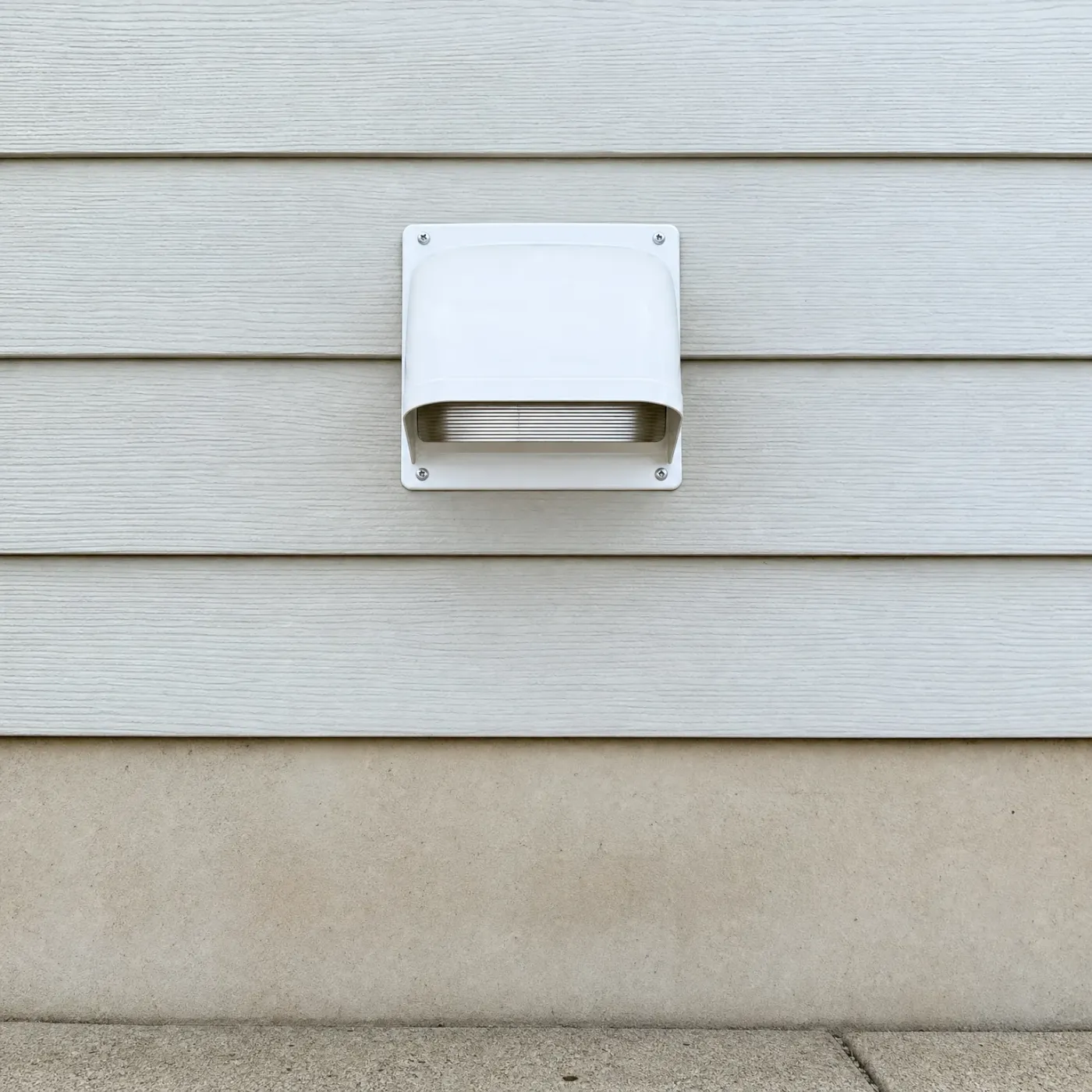
A white hooded dryer vent with a louvered opening mounted on light beige horizontal lap siding above a concrete foundation and sidewalk.
After you get your dryer vent cleaning

Two or three cycles to dry one load

That's the dryer pushing heat into clothes that stay damp because the air has nowhere to go. Your gas bill climbs and the heating element works harder than it should every single load.

Get one local pro

A fire risk that builds quietly

Lint packed into the elbow joints is fuel sitting next to a heat source. Nothing looks wrong from the laundry room until it does.

Get one local pro
A smiling man with short dark curly hair and stubble, wearing a navy T-shirt, sits on a beige sofa looking down toward a dark object in the foreground, with a living room, round mirror, lamp and bright window behind him.
A bearded man in a red and dark plaid flannel shirt looks out a frost-edged window at a snow-covered yard, with a gray mug on the sill in the foreground.
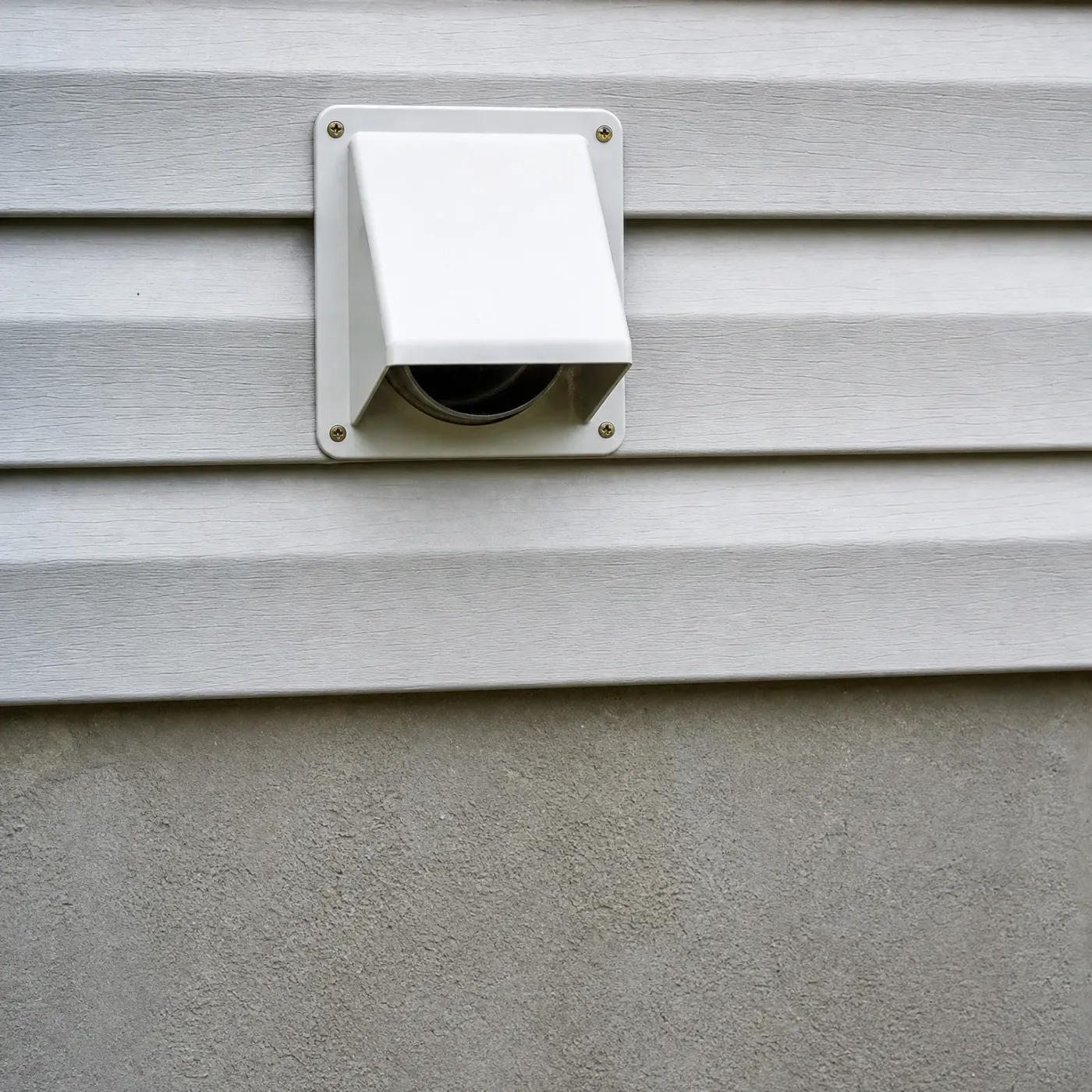
A white hooded dryer vent with a square mounting plate screwed onto light gray horizontal vinyl siding, above a gray stucco-textured lower wall.
The flap hangs loose and swings open as soon as the dryer starts, letting the hot air out the way it's supposed to.
A white plastic dryer vent hood mounted on light-colored horizontal lap siding, with lint caught in its lower opening and a green-stained foundation wall below.
Lint has packed the opening and a flap that can't close all the way can't keep birds and weather out either.
A pile of gray and blue towels sits on top of a white dryer in a dim room with a wall cabinet above and a window to the right.

It's a Tuesday evening, a little past six, and the towels are still damp. You've run them twice already. The laundry room window has gone dark and the dryer is ticking away on a third cycle, warm to the touch on top, while the pile sits there heavy and smelling faintly hot. Outside, a dry Casper wind is doing nothing to help. You pull one towel out to check it, press it against your wrist, and set it back on the heap. The dog needs to go out, dinner's not started, and the dryer just keeps running, pushing out heat that isn't going anywhere near the clothes.

2.32 people per household on average

With close to two and a half people in the average Natrona County household, the dryer runs most days, not once a week. That steady use is what packs lint into the vent bends faster than a lighter laundry load would, so the buildup this page describes shows up sooner than you'd expect.

ACS 2020-2024

  1. Lint leaves the trap and rides the airflow into the duct.

  2. Moist air slows at the first elbow and drops its lint there.

  3. Layers build along the bend until the opening narrows.

  4. The dryer runs hotter because the trapped air has nowhere to go.

A dryer that takes two or three tries to finish a load, a top that's hot to the touch, a flap outside that won't swing open the way it should. Any one of those tells you the vent is packed with lint and the air has nowhere to go. The fix is a full cleaning from the trap to the outside hood, not just a pass with a brush over the first few feet. A contractor who works on vents in Casper and the rest of Natrona County every season knows where the lint sits in homes built here and what it takes to clear it out properly. You'll be matched with one licensed local contractor for the job, so you're not fielding calls from a handful of companies trying to win the work. Once your vent is clear, drying goes back to one cycle, and you'll feel less heat coming off the top of the machine while it runs.

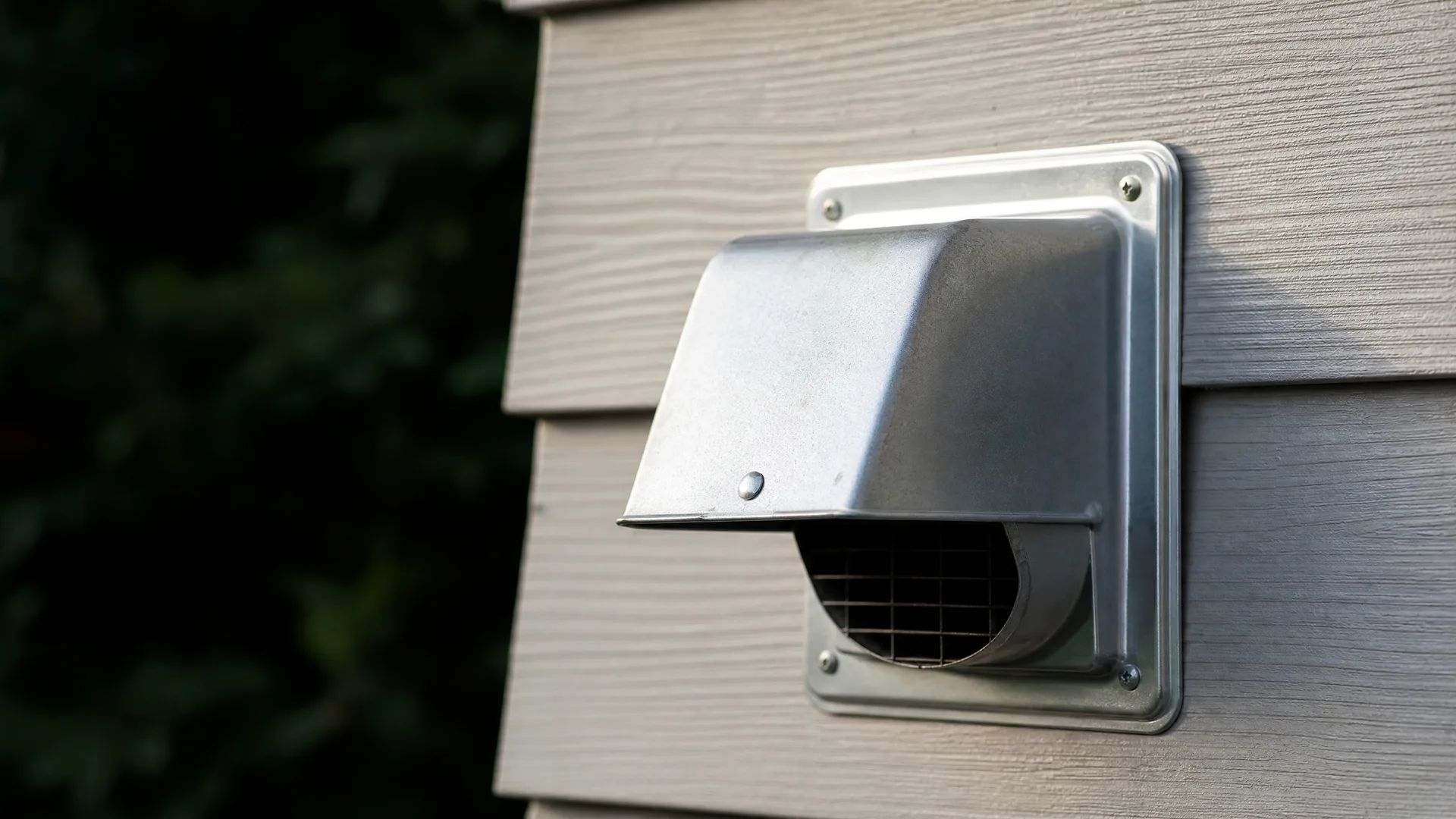
A metal hooded dryer vent with a screened opening screwed to gray lap siding, with dark blurred foliage in the background.

Send one request and you're done looking

Duct and vent cleaningNatrona County, WY
Step 1 of 3

What kind of equipment?