


Dryer hot but clothes still wet in Wyoming

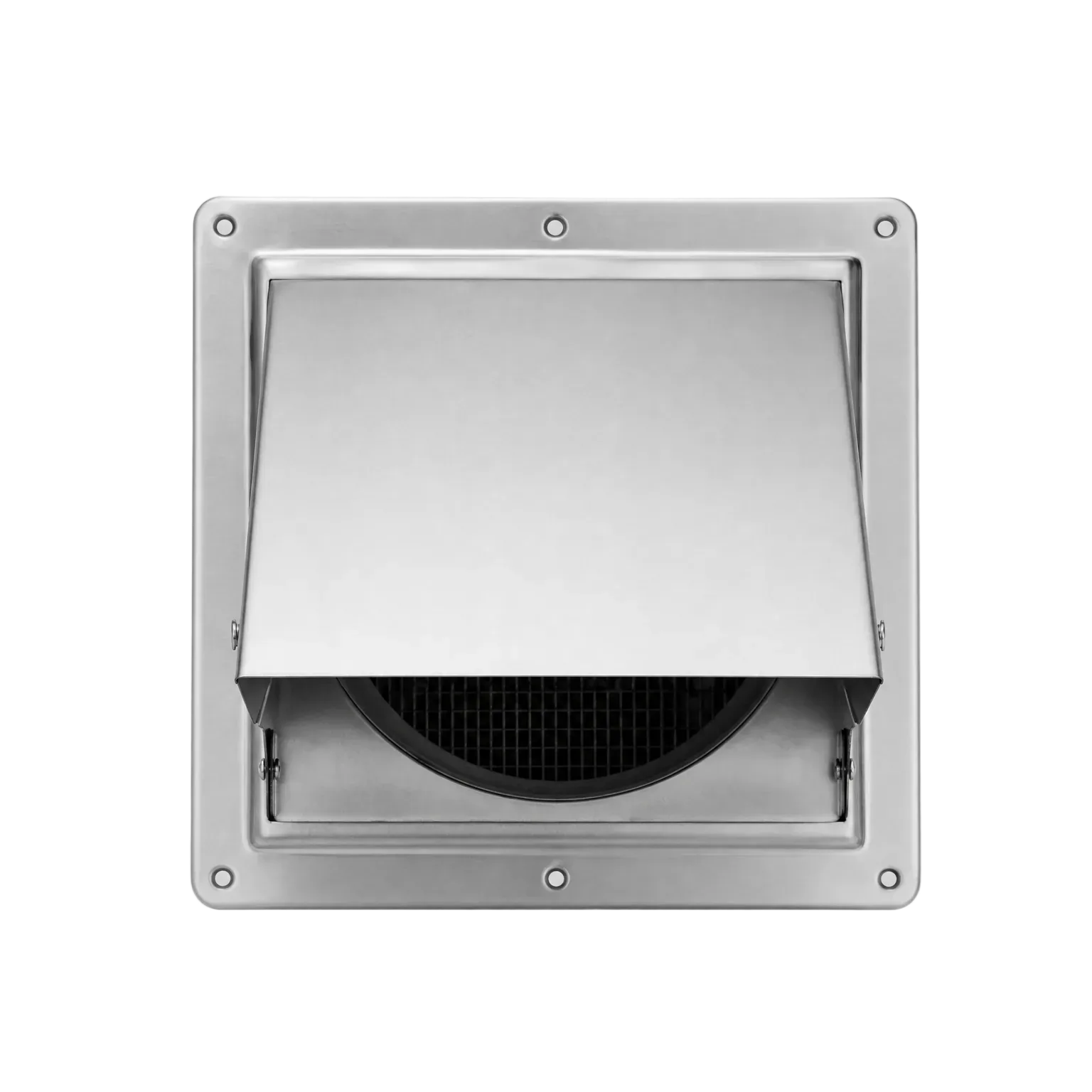
A square stainless steel wall vent hood with a hinged flap cover and a round mesh-screened duct opening, shown centered against a plain light gray background.
Describe it once

Why is my dryer hot but the clothes still aren't drying?

A dryer that's running hot but leaving clothes damp after a full cycle, maybe even two, usually points away from the heating element and toward airflow. If you've noticed the laundry room feels warmer than usual, or the dryer itself is hot to the touch but the load comes out heavy and still wet in spots, that's worth looking into before you run another cycle on it.

The vent is blocked, so the heat has nowhere to go

Heat alone doesn't dry clothes. Moving air does. The heating element pulls moisture out of the fabric, but that moist air has to leave the drum through the vent line, and if the line is clogged with lint, the air just recirculates. You get a dryer that's hot to the touch, running longer than it should, and clothes that come out warm but still damp. In Wyoming, dry summer air actually hides this problem for a while since clothes dry faster even with weak airflow, but once a vent is restricted enough, no amount of dry outside air makes up for it. A gas dryer with a blocked vent also runs its burner longer trying to compensate, which means more heat built up with nowhere to go.

A metal hooded dryer or exhaust vent mounted with screws on gray horizontal lap siding, beside a plain off-white wall surface.

Why hot air alone won't dry clothes

A dryer works by pushing heated air through wet clothes and then carrying that moist air out through the vent. If the vent is clogged with lint, the heat stays in the drum but has nowhere to send the moisture. That's why the cycle feels hotter than normal while the clothes come out just as wet as when they went in. Wyoming's dry summer air actually dries lint faster, which can pack it tighter inside the duct over a season.

A white metal hooded exterior vent screwed to a square backing plate on light gray horizontal lap siding, with a blank off-white wall filling the left half of the frame.

What a blocked vent does over time

A restricted vent forces the dryer to run longer to try to finish a load, which raises the air temperature inside the drum and inside the unit itself. Many gas dryers here will shut off on a safety limit switch partway through a cycle once that heat builds past a certain point. That shutoff is the dryer protecting itself, not a sign the heating element is failing. Clearing the duct restores the airflow the heat needs to leave the machine.

What's actually going on in your laundry room

Run a hand along the vent hood outside and it's barely warm, maybe not warm at all, when it should be pushing out a strong flow of hot air. Inside, the dryer cabinet itself might feel hot to the touch, hotter than usual. Towels and jeans stay heavy and damp past the point they should be done. You might catch a faint burning smell as lint sitting near the heating element gets hotter than it's meant to. Run two cycles back to back on a Wyoming summer evening and the room heats up fast, because all that moisture and heat has nowhere to go but back into your house. Left alone, a blocked vent is also how dryer fires start.

A white plastic louvered dryer vent hood mounted on beige horizontal lap siding above a concrete foundation wall bordered by gravel.

Vent clear, air moving

This is what a clean vent looks like from outside. The cap sits open against the siding, flaps free, and a strong column of warm air pushes out every time the dryer runs. Moisture leaves the house instead of circling back into the drum.


A dusty white plastic dryer vent hood with lint-clogged louvers mounted on beige horizontal vinyl siding above a concrete foundation wall and a bed of rounded gray rocks.

Lint choking the cap

Lint has built up around the hood and the flaps barely move. Air that should be venting outside is backing up through the duct, so the dryer keeps heating clothes that never fully dry. A contractor who clears vents like this one every week knows how far the lint usually reaches back into the line.

A smiling woman with long dark hair in a gray sweater sits behind a white countertop holding a glass of red wine, with a dimly lit living room and dark kitchen island in the background.
A woman in a beige knit sweater with her hair up laughs while looking to the side, seated in a dimly lit living area with a sofa, windows and a kitchen counter behind her, a glass of red wine in the lower right foreground.
A woman in a black sweater laughs while seated at a light stone counter with a glass of red wine, in a dimly lit living and dining room with bookshelves, a table lamp and framed artwork behind her.
A smiling woman with long dark hair in a beige sweater sits at a granite counter with a glass of red wine, with a living room, fireplace and dining area behind her.

Skip the calls to every shop

A clogged vent doesn't clear itself, and running the dryer again only pushes more lint against what's already packed in there. With gas dryers common in Wyoming homes, a blocked vent also means exhaust isn't leaving the way it should, which is its own reason not to put this off. Checking it yourself means getting behind the machine, maybe pulling it from the wall, and still not seeing what's built up inside the duct run to the roof or wall cap. Finding someone to do it properly means searching for a vent cleaning company, calling a few, explaining the same thing about hot air and wet clothes each time, then sitting with quotes that are hard to compare because you don't know what each one actually checked. A local contractor who cleans vents in Wyoming homes all summer has seen this exact setup before and knows where lint tends to pack in a vent run like yours. Send the request once and it goes to that one contractor, not a handful of them calling back at once.

Clean it yourself or call someone

A vent hood you can reach from a ladder, with a straight shot of duct behind it, is something you can pull lint from with a brush and a shop vac. Wyoming's dry air means less damp lint clumping in the line, so what's in there is more likely loose and easier to pull free. But most runs aren't straight. They bend through a wall, drop into a basement, or run longer than a few feet, and lint sitting past the first bend won't come out with a hand brush no matter how far you reach.

What a full cleaning covers

A contractor who does this work runs a rotating brush the full length of the duct, from the back of the dryer to the vent hood outside, and checks that the hood flap opens all the way when the dryer kicks on. On a gas dryer that also means confirming exhaust has a clear path out, since that line is carrying combustion byproducts along with the moisture. Finding someone who does this regularly in Wyoming, instead of calling around and describing the same problem to three different companies, means one visit instead of a guessing game.

A bearded man in a dark navy sweater over a collared shirt smiles and looks off to the side while seated at a dinner table with a glass of red wine, a lit candle, and a plate of food in the foreground of a dimly lit room.
A woman in a dark gray sweater reclines on a couch with her eyes closed and a knit blanket over her lap, an open book resting face-down in front of her, with a lit table lamp and shelving blurred in the background.
A white hooded dryer vent with a square screwed-on flange mounted on gray horizontal lap siding, above a concrete foundation wall edged with gravel stones.

Vent hood clear

This is what the hood should look like year round. The flap sits loose against the siding, swinging open with a push of air every time the dryer runs. Screws holding the vent are visible, not buried under lint. Nothing blocks the path between the drum and the outside wall.

A lint-clogged hooded dryer vent mounted on light gray horizontal lap siding above a concrete foundation wall.

Vent hood packed with lint

Here the flap can't close because lint has built up around the opening and spilled onto the siding. Air still comes through the dryer, but it's fighting this blockage to get outside. The more loads you run, the more that lint packs in, until the flap stays stuck open like this.

Power costs 13.37 cents per kilowatt-hour statewide

At 13.37 cents per kilowatt-hour, running a dryer twice to get clothes dry costs you twice over, all because lint is blocking the vent instead of the dryer itself being at fault. A clean vent gets clothes dry in one cycle, not two.

EIA-861 2025 statewide residential average

  1. Lint builds up inside the vent duct, not just the trap.

  2. Airflow drops, so the drum fills with hot, damp air.

  3. Moisture has nowhere to go and settles back onto clothes.

  4. The dryer runs longer, sensing clothes still haven't dried.

A dryer that runs hot but won't dry is telling you the vent, not the heating element, needs attention. That's a job for someone who can get a brush and vacuum through the full run of duct, not just the first few feet behind the machine. A contractor who works on vents across Wyoming homes all year, through dry summers and cold winters alike, has seen what blocks these lines and knows where lint tends to pack in tight bends or long runs. You'll be matched with one licensed local contractor for this, not a handful of companies competing for your callback, so there's one call to make and one person who shows up knowing the job. Once the duct is clear, the next load should dry the way it's supposed to, in one cycle, with the vent hood outside pushing out a real column of warm air again. That's the whole problem and the whole fix.

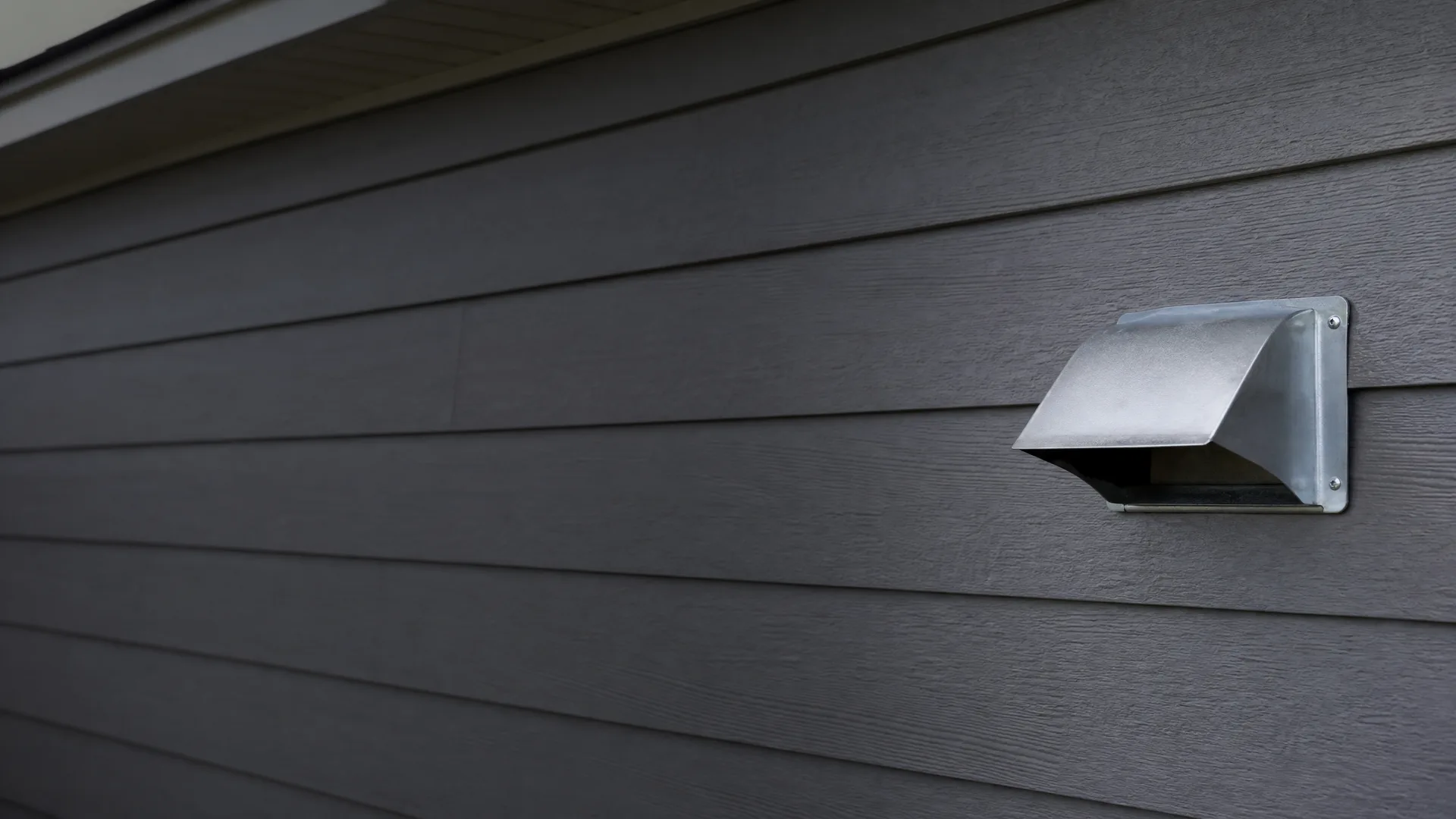
A metal hooded exterior vent cover mounted on dark gray horizontal lap siding, photographed at an angle along the wall.

Skip calling around

Only one pro gets your request, so you hear from one company.

Duct and vent cleaningWyoming
Step 1 of 3

What kind of equipment?