One clogged vent, two risks
Lint from your dryer mixes with nest material. That combination sits right at the vent hood, the warmest, driest spot in the whole run.
A bird builds a nest in your dryer vent because the vent hood looks like a hole in a tree to a bird looking for shelter, and the warm air coming out of it in spring makes the spot even more appealing. Out here, birds often start in April and May before the heat sets in, packing the duct with twigs and grass right where the vent flap should swing open and shut. Once that nest is in place, the flap can't close all the way or open enough to let air through, so your dryer pushes hot, damp air against a blockage instead of outside. That means longer drying times, a dryer that runs hotter than it should, and lint building up behind the nest with nowhere to go. It's also a fire risk, since lint is what actually burns, not the nest itself. A vent that won't flap freely, or a dryer that suddenly takes two cycles to dry a load, is usually telling you something is in there.
Cheap power doesn't help much when a nest is blocking the vent. Your dryer has to run longer to push air through, and that's time on the heating element, not just the motor. A blocked vent also pushes more warm, damp air into the house instead of outside.
EIA-861 2025 statewide residential average
Sometimes you know it's there before you see it. The dryer runs and you hear scratching, chirping, or a thump against the duct wall. That's a bird, usually a starling or a sparrow, already settled in. Running the dryer anyway doesn't clear it out. The heat and noise might scare a bird off a vent hood before it builds, but once there's a nest with eggs or chicks inside, the parent keeps coming back. A contractor can open the line, remove the nest, and check how far back into the duct it goes before closing it up again.
Other times there's no sound at all, just a dryer that takes longer than it used to, or a vent hood flap that won't sit flush anymore. That's harder to act on because you're guessing at what's behind the wall. Wyoming's dry summers mean a lot of loose material around, grass and twigs that build a nest fast once a bird picks your vent hood as the spot. Waiting to be sure costs you dryer runs in the meantime. Getting a line checked when you only suspect a problem is still worth doing, since a partial blockage is easier to clear than a full one.




Lint from your dryer mixes with nest material. That combination sits right at the vent hood, the warmest, driest spot in the whole run.
A nest built in April doesn't clear out on its own by August. It stays packed in the duct until someone pulls it out.
You load the dryer, start it, and come back to clothes that are still damp. Run it again and it still takes longer than it used to. Check the vent hood outside and you might find it stuffed with twigs and grass, or see feathers caught in the flap. Inside, the lint trap looks fine, which is part of why this gets missed. The laundry room runs warmer than the rest of the house, or smells faintly musty when the dryer's going. None of that fixes itself. A vent that stays blocked keeps pushing heat and moisture back into the house instead of outside, and a dryer working that hard against a clogged vent is a dryer running hotter than it was built to.
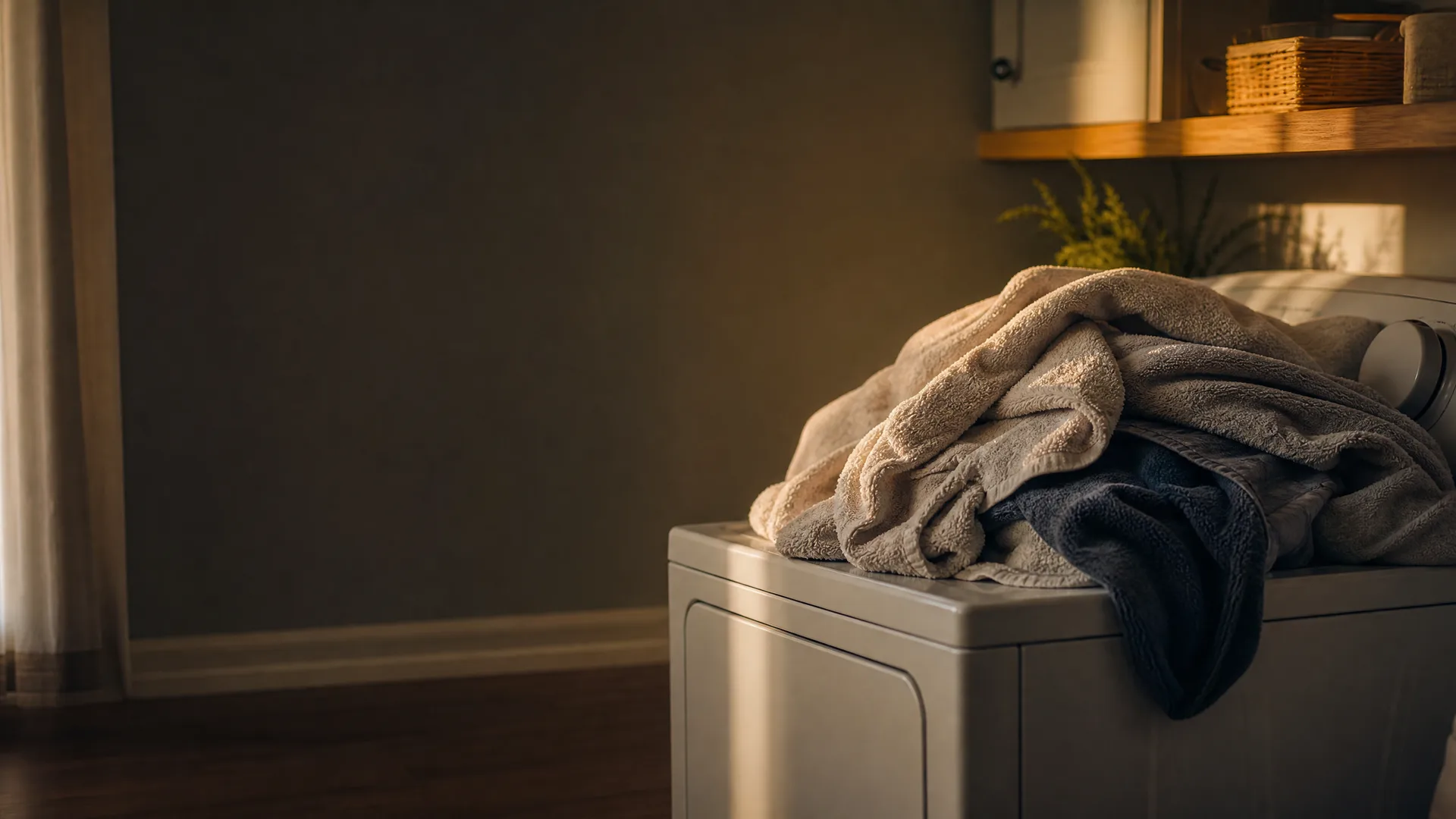
You pull the towels out around eight, after the dishes are done and the house has gone quiet. Still damp, all of them, heavier than they should be after a full cycle. You press a hand to the dryer door and it's barely warm. Outside, the evening is dry and still, the kind of Wyoming summer night where the heat finally breaks after sunset. You think about running the load again, then stop. You leave the towels piled on top of the dryer and go find your phone instead, ready to let someone who does this for a living take a look at the vent.
A nest in the vent doesn't go away because the birds have moved on. Twigs and grass packed into a hood full of dried lint make a plug that only gets tighter with each load, and clearing it means getting into the duct itself, not just knocking debris off the outside grille. Finding someone who works dryer vents in Wyoming, checking they're free when you are, and explaining the same thing twice while you compare quotes takes time you'd rather spend with the dryer actually running right. Hand off the search and the back and forth, and get matched with a contractor who takes it from here.
A bird packs twigs and grass into the vent hood opening
Dryer lint drifts into the nest and clings to the material
Warm air from each load packs the lint tight around the nest
The hood opening narrows until exhaust can barely push through



Air moves out the way it's supposed to. The flap swings open when the dryer runs and falls shut when it stops, keeping the duct closed the rest of the time. No gaps, no debris caught in the louvers, nothing sitting in the opening for a bird to build against.

The flap sits stuck open, wedged by lint and nest material packed behind it. That opening is now an invitation, not a barrier. Exhaust has nowhere to go but back up against the clog, and the stuck flap leaves the duct open to whatever else wants in next.

A dryer vent with a bird nest in it isn't a small thing you can wait out. The nest has to come out of the duct, not just the hood, or the dryer keeps working harder than it should into the dry Wyoming fall and through the gas-heated months ahead. You've seen what it looks like when the vent is clear: shorter cycles, warm exhaust pushed outside where it belongs, nothing scratching around in the ductwork.
Finding someone who does this work usually means a string of calls, describing the same nest and the same clogged vent to each one, then sitting with a pile of quotes trying to tell them apart. Answer a few questions about your dryer and your vent here, and a contractor who handles this in your area will reach out to you directly. No more explaining the bird problem from scratch to the next person on the list.



A pro who works on dryer vents
Skip calling around for someone who cleans dryer vents.