
Furnace Repair in Casper, WY
Furnaces here run from September through June. If yours quits, tell us what it's doing and a licensed contractor who covers Natrona County will get in touch.
Tell us about the job
It takes about a minute.
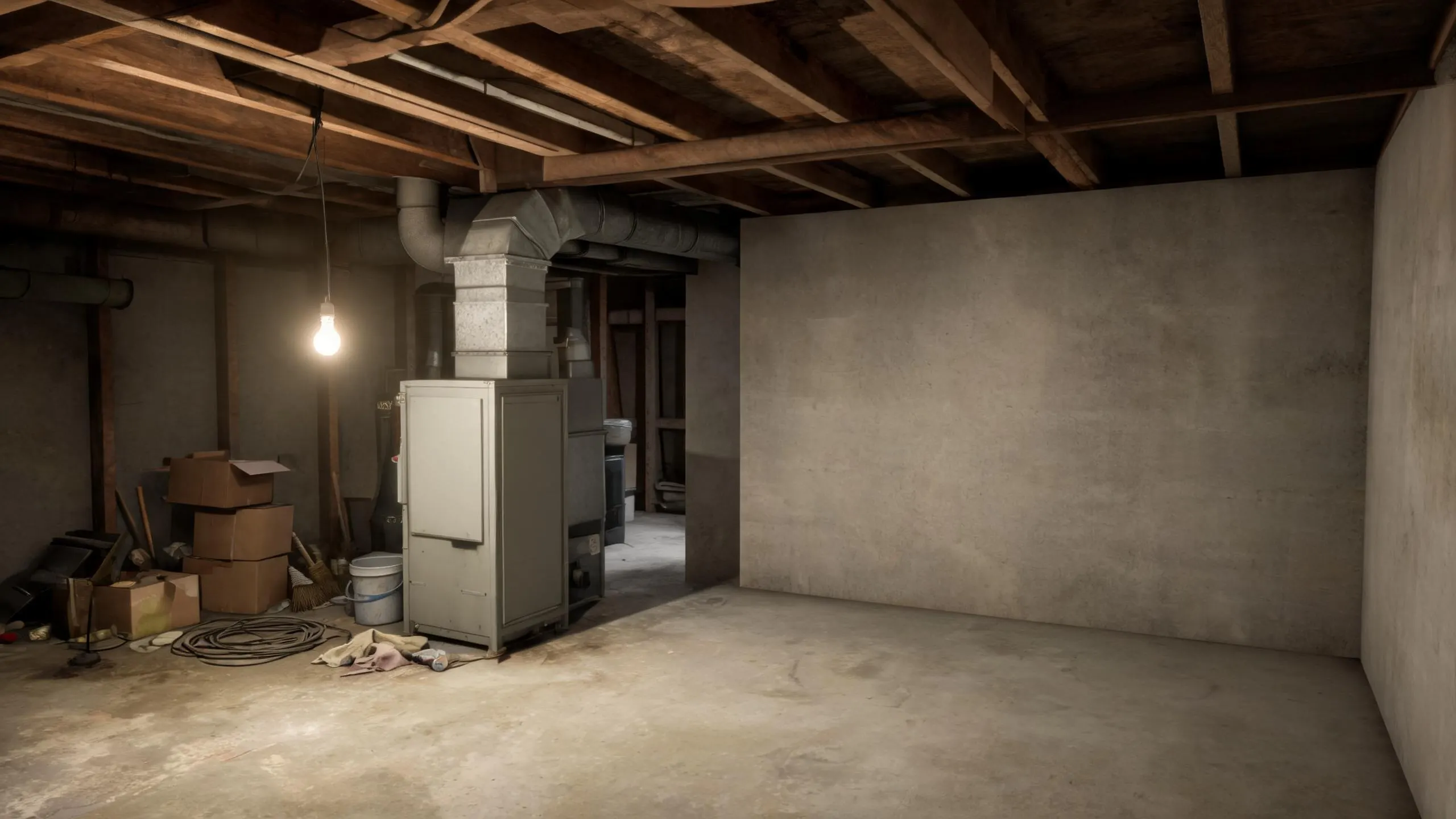
Ten months of heat is a lot to ask of one furnace
In Casper, the furnace runs from September through June. That leaves barely two months where it sits idle. Winter nights average 14 degrees from December through February, so on most nights it is cycling on and off for hours at a stretch, lighting the burner again and again to keep up.
That many cycles wears on the igniter and the flame sensor first, since those are the parts working hardest every time the burner fires. Natrona County has also logged 144 winter storms and 269 damaging wind events over the past ten years, and 8% of Wyoming households went at least a full day without power in 2024. A furnace that loses power mid-cycle and comes back to a hard freeze is starting under worse conditions than one that never lost power at all. Most homes here heat with gas, so when the furnace stops, there is nothing else keeping the house warm.
- 10 months
- September through June, your furnace is on duty
- 14°F
- the average winter night it heats against
- 72%
- of homes here heat with gas, so most furnaces here burn gas
- 144 winter storms
- in ten years, the nights a failure hurts most
NOAA nClimDiv, 1991–2020 normals

A new furnace would cut about $140 a year off heating for a typical Natrona County home.
Estimates for a typical Natrona County home, compared with an older unit built to the previous federal minimum, from EIA household energy data, Wyoming fuel prices and NOAA climate normals. Your home will differ.
Repair makes sense when one part has failed and the heat exchanger is sound.
Replacement makes sense when the heat exchanger is cracked or the furnace keeps needing parts.
- Why won't my furnace turn on?
- Most of the time it's the thermostat, the power, or the gas supply. Check that the thermostat is set to heat and the temperature is above room temperature, then check the breaker and the furnace's own power switch, which looks like a light switch near the unit. If those are fine, the igniter or flame sensor may have failed, and a furnace that's ten months out of the year the main source of heat in this area gets a lot of cycles on those parts. A contractor can test them and tell you which one needs replacing.
- Why is my furnace blowing cold air?
- If the air is cold and not just cool, the burners likely aren't lighting even though the blower is running. That points to the igniter, the flame sensor, or the gas valve. If the air is cool but not cold, the furnace may be in the middle of its cycle, since it takes a minute or two after startup for the air coming out of the vents to warm up. A furnace that keeps blowing cold air needs a technician to check why the burners aren't staying lit.
- Why won't my furnace pilot light stay lit?
- A pilot light that won't stay lit is almost always the thermocouple, the small rod that sits in the flame and tells the gas valve it's safe to keep the gas flowing. When that rod wears out or sits out of position, it reads the flame as out and shuts the gas off even though the pilot is burning. Drafts and a dirty pilot orifice can cause the same thing. A thermocouple is inexpensive to replace and a contractor can swap it in one visit.