
Furnace Installation in Casper, WY
A new furnace here will run from September through June every year. Tell us about the house, and a licensed contractor who covers Natrona County will get in touch.
Tell us about the job
It takes about a minute.
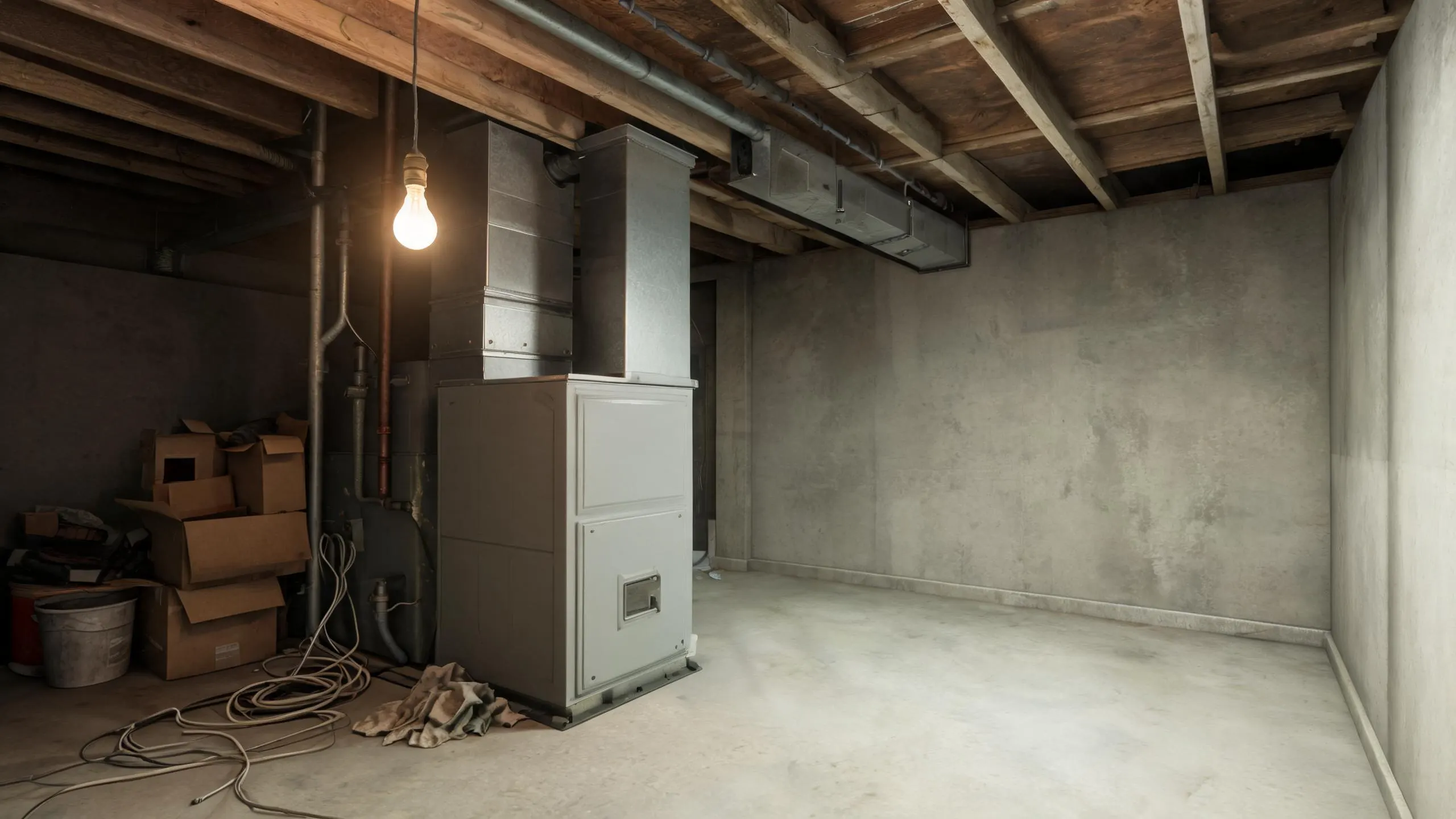
Casper asks a lot of a furnace
Ten months out of the year, from September through June, your furnace is the thing standing between your house and the cold. Winter nights here average 14°F, and a furnace that's undersized or on its last legs will run flat out trying to keep up.
Most homes in Natrona County heat with gas, so when a new furnace goes in, it has to meet the federal minimum of 80.0 percent AFUE if it's a standard non-weatherized model. That's the floor, not a target, and it's worth knowing before you start comparing units. Wyoming also sees its share of winter storms, and outages happen. Whatever you install, it needs to be able to fire back up on its own and get the house warm again without anyone touching it.
- 10 months
- September through June, your furnace is on duty
- 14°F
- the average winter night it heats against
- 72%
- of homes here heat with gas, so most furnaces here burn gas
- 80% AFUE
- the federal minimum any new unit must meet
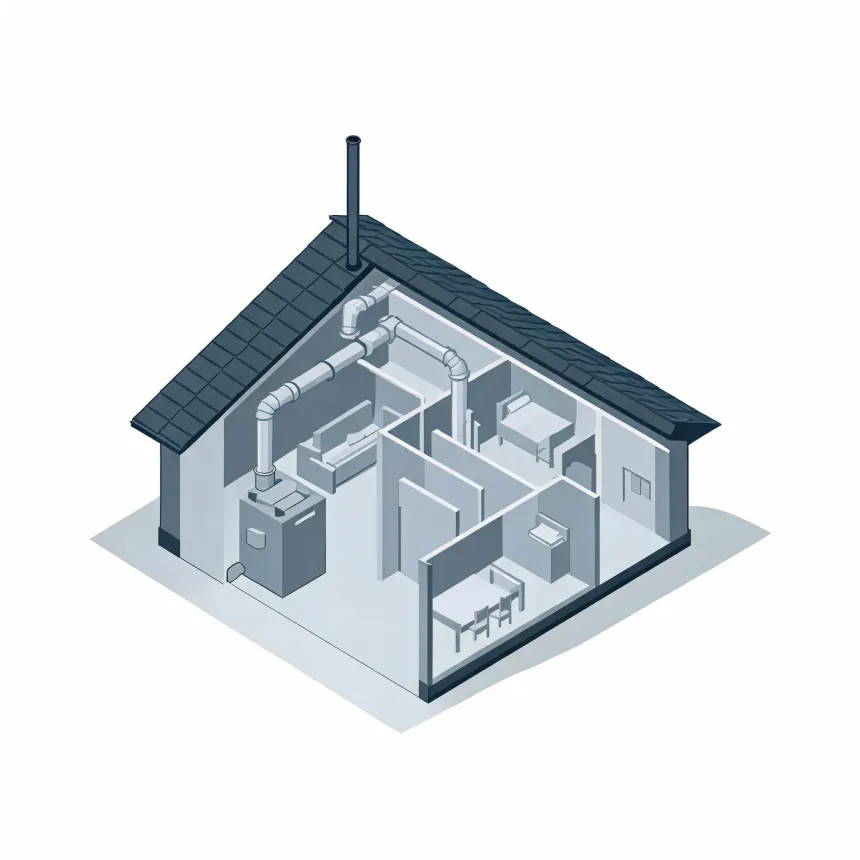
NOAA nClimDiv, 1991–2020 normals

A high-efficiency gas furnace would save about $120 a year to run in Natrona County compared with a gas furnace.
Estimates for a typical Natrona County home, from EIA household energy data, Wyoming fuel prices and NOAA climate normals. Your home will differ.
- What size furnace does my house need?
- The right size depends on your home's square footage, ceiling height, insulation, and window count, so there's no single answer that fits every house. A furnace that's too big will short cycle and wear out faster. One that's too small will run constantly and still leave rooms cold on a 14°F night. A contractor will run a load calculation on your actual house before recommending a size.
- How do I know it's time to replace my furnace?
- Watch how the furnace is running, not just how old it is. Uneven heat between rooms, longer run times to reach the same temperature, or a gas bill that climbs without a reason all point to a furnace losing ground. Homes here need heat from September through June, so a furnace that's struggling gets very little rest to recover between cycles. If a technician has been out more than once this year for the same problem, that's a clearer sign than any number on the nameplate.
- Is a high-efficiency furnace worth it?
- It depends on how long you plan to stay in the house and what you're currently paying to heat it. Furnaces built since November 2015 already have to reach at least 80 percent AFUE, and high-efficiency models go higher, burning less gas for the same heat. With 71.7% of homes here heating with gas across a 10-month season, that difference shows up on more bills than it would somewhere with a shorter winter. A contractor can look at your current furnace and usage and tell you what the jump in efficiency would mean for your house.