
Furnace Installation in Worland, WY
A new furnace here will run from September through May every year. Tell us about the house, and a licensed contractor who covers Washakie County will get in touch.
Tell us about the job
It takes about a minute.
Nine months of heat in a place that drops to 12°F
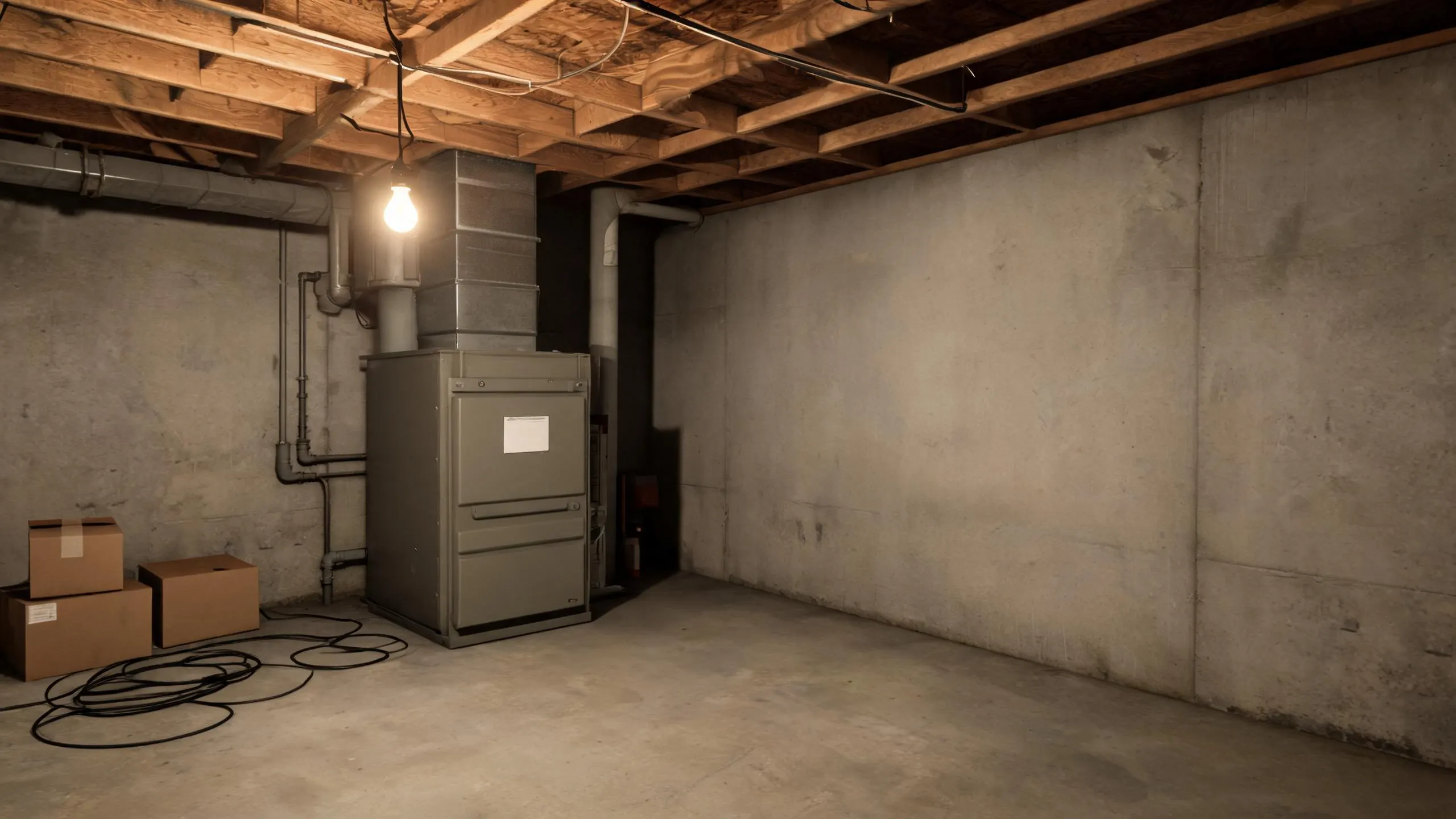
Your furnace in Worland works from September through May. That's nine months a year it has to run, and on winter nights that average 12°F, it runs hard. A new furnace here needs to be sized and installed for that kind of cold, not just a mild one.
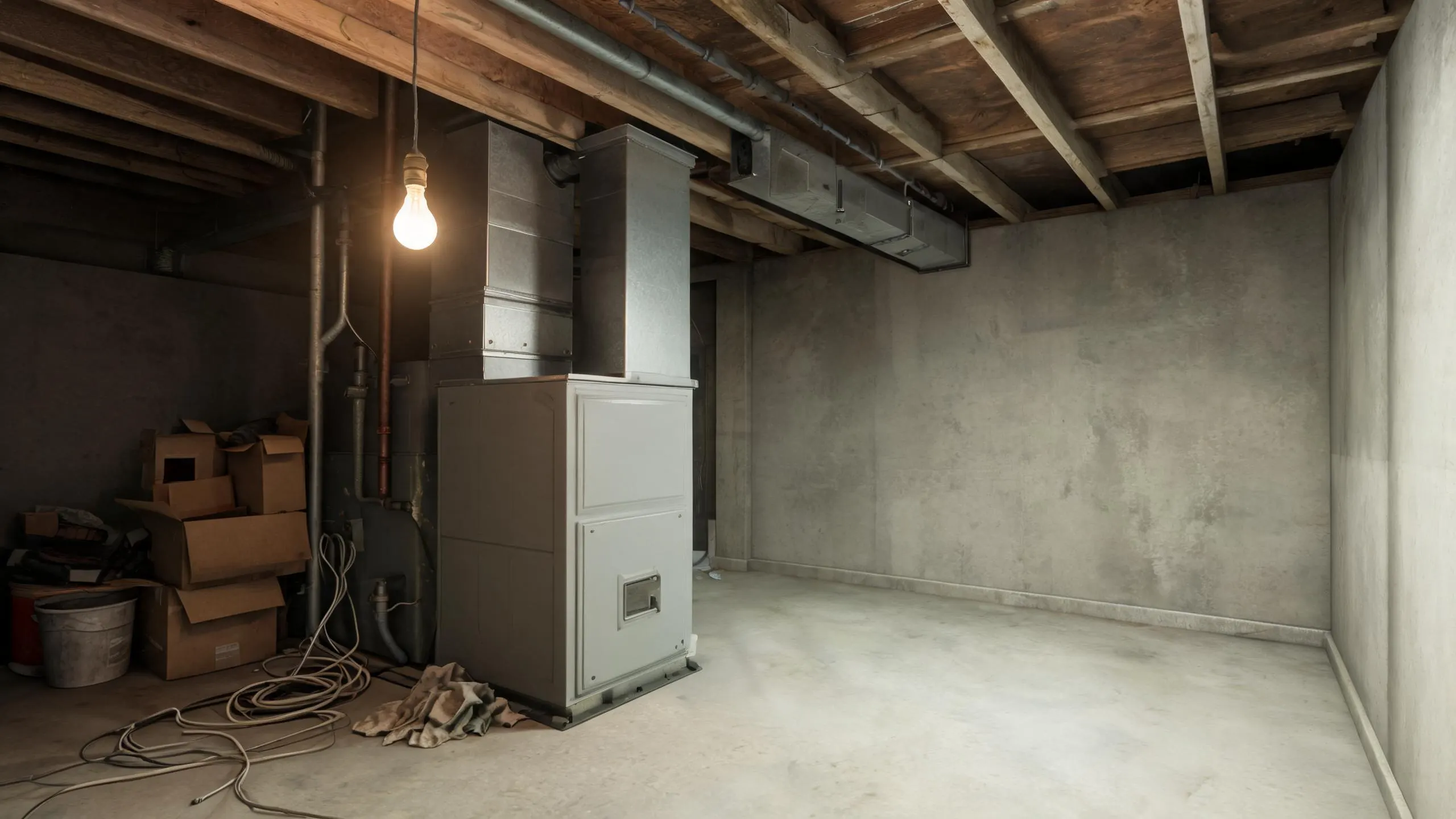
Wyoming sees its share of winter storms, and power doesn't always hold through them. Most gas furnaces need electricity to run the igniter and blower, so a storm that knocks out power can leave the house cold along with the lights. If you're installing new, it's worth talking to the contractor about how your furnace handles that. Any non-weatherized gas furnace installed today has to reach at least 80 percent AFUE, so you're starting from a solid efficiency floor either way.
- 9 months
- September through May, your furnace is on duty
- 12°F
- the average winter night it heats against
- 66%
- of homes here heat with gas, so most furnaces here burn gas
- 80% AFUE
- the federal minimum any new unit must meet
NOAA nClimDiv, 1991–2020 normals
A high-efficiency gas furnace would save about $120 a year to run in Washakie County compared with a gas furnace.
Estimates for a typical Washakie County home, from EIA household energy data, Wyoming fuel prices and NOAA climate normals. Your home will differ.
- What size furnace does my house need?
- The right size comes from a load calculation, not the square footage of your house alone. A contractor works out how much heat your house loses through its walls, windows, and roof, then matches the furnace to that number. Going too big is as much a problem as too small. An oversized furnace cycles on and off fast, which wears out parts sooner and leaves rooms uneven, and with nine months of heating season here that wear adds up. A contractor sizing the job for your house will give you the number that fits it.
- How do I know it's time to replace my furnace?
- Watch for repairs that keep coming back, a furnace that struggles to keep the house warm on the coldest nights, or one that's simply old. Furnaces have a working life, and once a unit is near the end of it, each repair is a bet against the next one. With winter lows here averaging 12°F, a furnace that can't keep up isn't a minor inconvenience, it's a real risk on the nights you need it most. If yours is running constantly or short-cycling to keep up, that's a sign the equipment is losing the fight.
- Is a high-efficiency furnace worth it?
- It depends on how long you plan to run it and what your current furnace is costing you in gas. Any non-weatherized gas furnace made since November 2015 has to hit at least 80 percent AFUE, so even a standard replacement today burns less gas than an older unit did. High-efficiency models go higher than that, and with nine months of heating season in this area, a house here uses its furnace more months than most. A contractor can look at your current unit and your house and tell you whether the higher-efficiency option makes sense for your situation.