
Furnace Installation in Thermopolis, WY
A new furnace here will run from September through June every year. Tell us about the house, and a licensed contractor who covers Hot Springs County will get in touch.
Tell us about the job
It takes about a minute.
Ten months of heat, and nights near 12°F
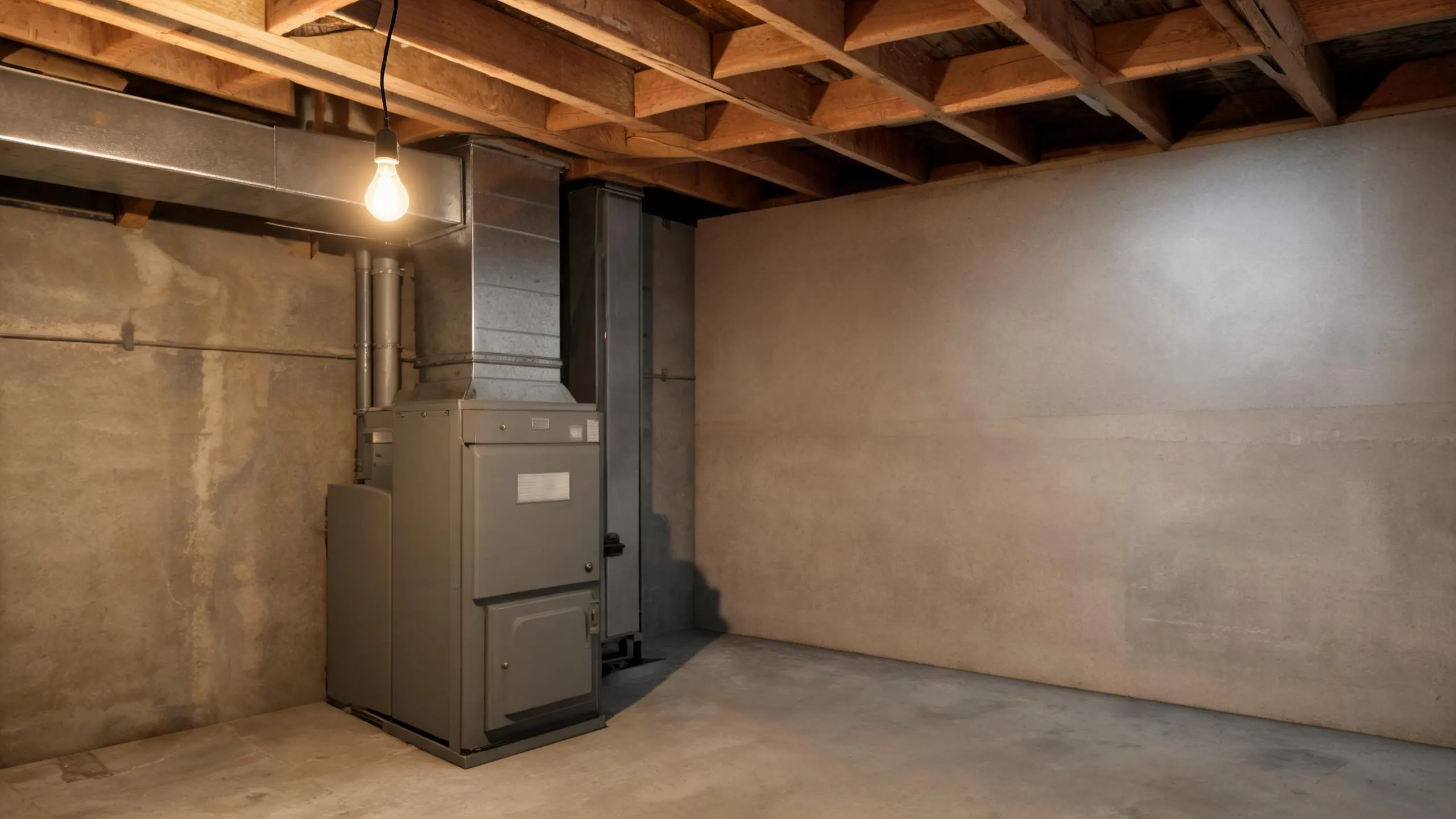
Thermopolis needs a working furnace from September through June. That is ten months out of twelve, and winter nights average 12°F. A new furnace here has to hold up to that stretch, not just get through a few cold snaps.
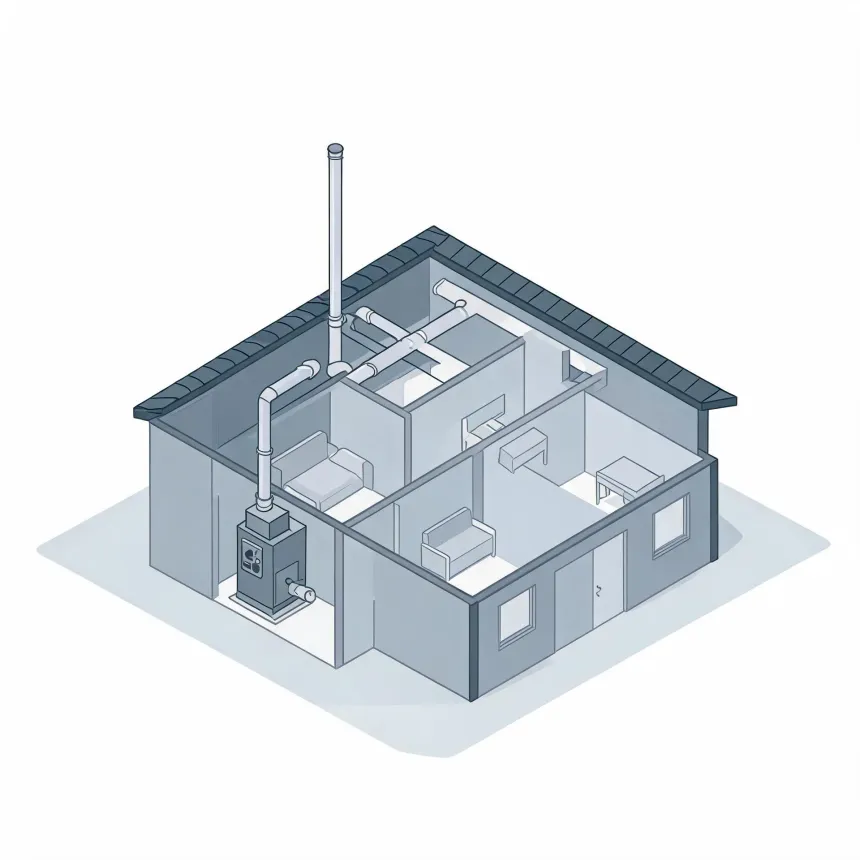
Most homes in Hot Springs County heat with gas, and any new gas furnace built today has to reach at least 80 percent AFUE. That is the federal floor, not a feature. The bigger question for a new install is sizing it right for nights that average 12°F, so it can keep up without running nonstop.
- 10 months
- September through June, your furnace is on duty
- 12°F
- the average winter night it heats against
- 65%
- of homes here heat with gas, so most furnaces here burn gas
- 80% AFUE
- the federal minimum any new unit must meet
NOAA nClimDiv, 1991–2020 normals

A high-efficiency gas furnace would save about $120 a year to run in Hot Springs County compared with a gas furnace.
Estimates for a typical Hot Springs County home, from EIA household energy data, Wyoming fuel prices and NOAA climate normals. Your home will differ.
- What size furnace does my house need?
- A contractor works this out with a load calculation, not by matching the size of the furnace you have now. That calculation weighs your square footage, how many windows you have, your insulation, and your ceiling height, and with winter lows here averaging 12°F, getting it right matters more than it would somewhere milder. A furnace that's too big will short cycle and wear out faster. One that's too small will run constantly and still leave you cold on the worst nights. Have a contractor measure your house rather than guess from the old unit's rating plate.
- How do I know it's time to replace my furnace?
- Age is one thing to check, alongside how often it's breaking down and what each repair costs. Watch for uneven heat between rooms, a furnace that runs longer than it used to, or a rise in your gas bill without a reason. Homes here need heat from September through June, so a furnace on its way out has very little time of year to rest and recover. If a repair is going to cost close to what a new furnace would, replacing it is usually the better move.
- Is a high-efficiency furnace worth it?
- It depends on how much you heat and how long you plan to stay in the house. Any non-weatherized gas furnace made now has to reach at least 80 percent AFUE by law, so even a standard model isn't wasteful. A high-efficiency furnace goes above that baseline, turning more of the gas you burn into heat rather than losing it out the flue. With heat needed here 10 months out of the year and most homes on gas, that difference adds up over a heating season more than it would somewhere warmer. A contractor can walk you through the actual models and what each one would cost installed.