
HVAC Installation in Thermopolis, WY
A new system here will heat from September through June and cool from July through August every year. Tell us about the house, and a licensed contractor who covers Hot Springs County will get in touch.
Tell us about the job
It takes about a minute.

Ten months of heat, two of cooling, in a place that swings hard
Winter nights here average 12°F from December through February, and your furnace or heat pump needs to hold that line for ten months, September through June. Summer only asks for two months of cooling, with afternoons around 80°F, but the system still has to switch gears and do it well. Most homes in Hot Springs County heat with gas, and whatever you install has to be sized for the cold nights, not the mild afternoons.
This county has logged 66 winter storms and 68 damaging wind events over the past ten years, and across Wyoming about 8 percent of households lost power for a day or more in 2024. A new system installed here should be able to start back up on its own once the power comes back, without anyone needing to reset it by hand.
- 10 months
- September through June, your system heats
- 2 months
- July through August, it cools
- 12°F
- the average winter night it heats against
- 80°F
- the average summer afternoon it cools against
NOAA nClimDiv, 1991–2020 normals
- When should I replace my HVAC system?
- Replace it when repairs start costing more than they used to, or when it can't keep up on the coldest nights anymore. A furnace working hard for ten months a year wears differently than one that only runs a few weeks. If yours is old enough that parts are getting harder to find, or a technician has told you the heat exchanger or compressor is failing, that's your signal. Waiting for a total breakdown on a night that drops to 12°F leaves you without heat when you need it most.
- Should I replace my furnace and air conditioner at the same time?
- If both are old, yes, it usually makes sense to do it together. A furnace and air conditioner installed at the same time are matched to work as a system, and a mismatched pair can run less efficiently or wear out sooner. That said, if one unit is much newer than the other, a contractor can tell you whether replacing just the failing one makes sense for your setup. Homes here need heat from September through June and cooling only in July and August, so the furnace is the one doing most of the work and often the one to prioritize.
- What happens during an HVAC installation?
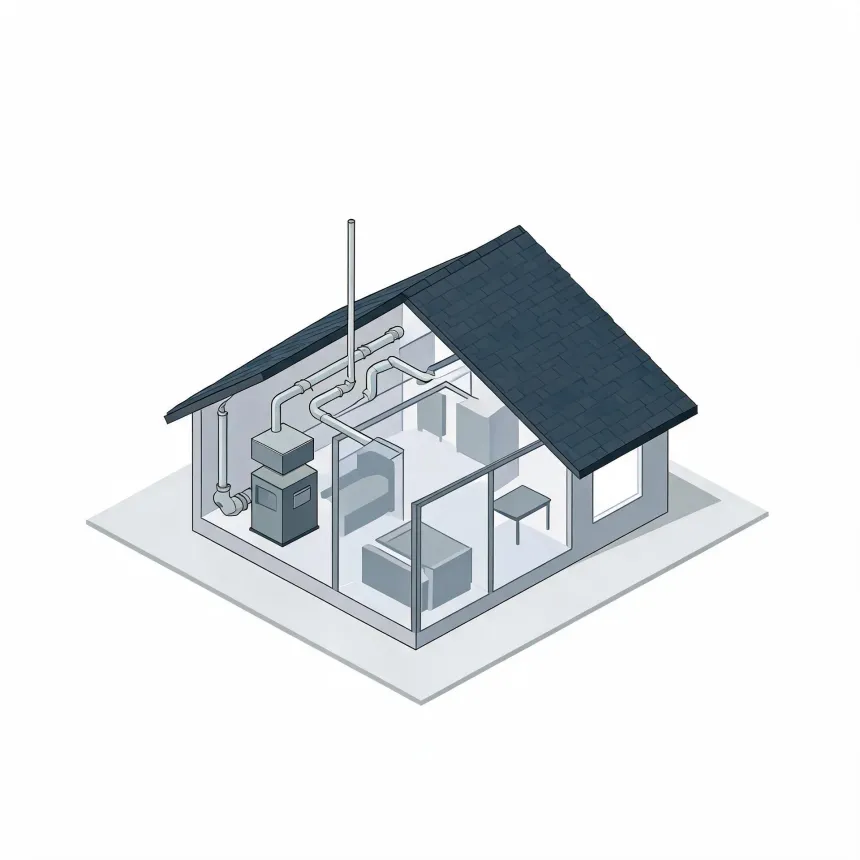
- A contractor removes the old equipment, then sets the new furnace, air conditioner, or both in place. It gets connected to your ductwork, gas line or electrical supply, and venting. After that comes testing. The contractor checks airflow, checks the gas or electric connections, and confirms the thermostat is talking to the new equipment correctly. On a system going into a place with winters this cold, the contractor also checks that the unit is sized to keep up on the coldest nights, not just an average day. The exact steps depend on what you're replacing and how your house is set up, so a contractor will walk you through what your specific job involves.