
HVAC Installation in Worland, WY
A new system here will heat from September through May and cool from July through August every year. Tell us about the house, and a licensed contractor who covers Washakie County will get in touch.
Tell us about the job
It takes about a minute.

A system that works eleven months of the year
Winter nights in Washakie County average 12°F from December through February, and homes here need heat from September through May. Summer is shorter and milder by comparison, with afternoons averaging 82°F through July and August. Together that is 11 months where your furnace or your air conditioner is doing the work, and only one month where neither has to run.
Most homes here heat with gas, and a new furnace has to meet the federal efficiency minimum for that equipment. Washakie County has seen 51 winter storms and 27 damaging wind events over the past ten years, so it is worth asking your contractor how the system you install handles a hard freeze and how it comes back on after the power drops.
- 9 months
- September through May, your system heats
- 2 months
- July through August, it cools
- 12°F
- the average winter night it heats against
- 82°F
- the average summer afternoon it cools against
NOAA nClimDiv, 1991–2020 normals
- When should I replace my HVAC system?
- Replace it when repairs start coming often, or when the unit is old enough that another breakdown feels like a matter of time rather than a maybe. Furnaces and air conditioners both have a working life, and once a system passes that point, the cost of keeping it going stacks up in service calls and lost efficiency. Homes here need heat from September through May, so a furnace that fails during those months is a real problem, not a minor one. If your system is older and you are already calling for repairs more than once a season, get a contractor to look at it before you are forced into a decision in the middle of winter.
- Should I replace my furnace and air conditioner at the same time?
- If both are old, yes, it usually makes sense to replace them together. A furnace and air conditioner installed at the same time are matched to work with each other, and pairing a new unit with one that is years older can mean the newer one never runs at its best. This matters more here than in places with long, mild seasons in between, since heat is needed September through May and cooling picks up right after for July and August. A contractor can tell you whether your existing unit has enough life left to pair with a new one, or whether replacing both now is the better move.
- What happens during an HVAC installation?
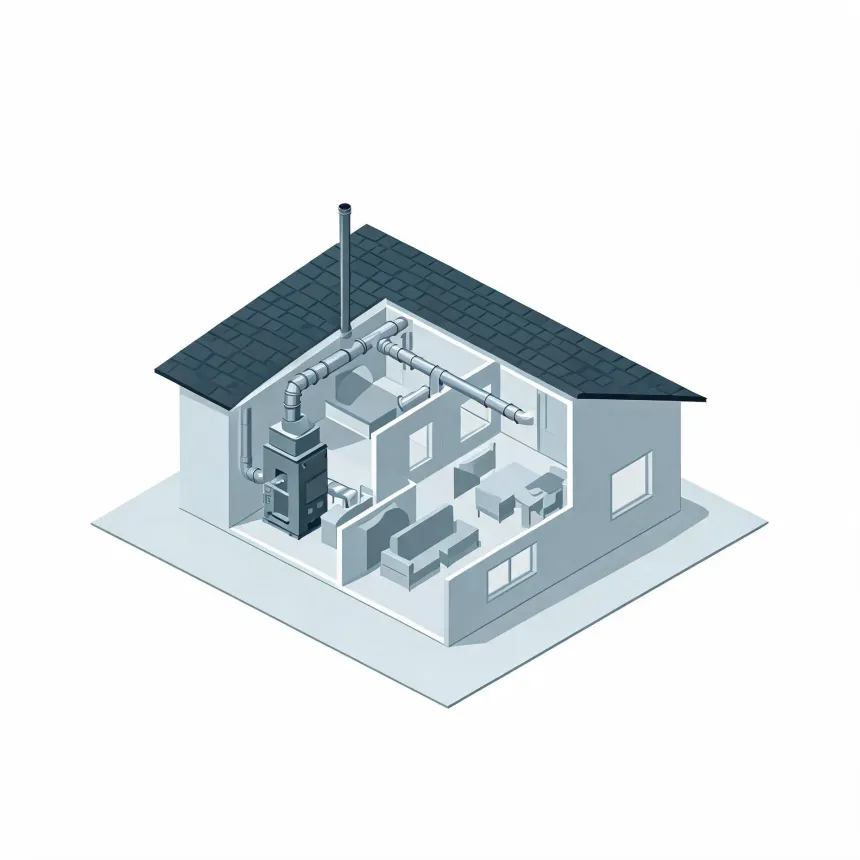
- A contractor removes the old equipment, sets the new furnace or air conditioner in place, and connects it to the ductwork, gas or electrical lines, and thermostat. They check the ducts for leaks or damage, since ducts that were sized for the old system need to work correctly with the new one too. Once everything is connected, they test the system through a full cycle and check that it is heating or cooling to the right temperature. The exact steps depend on what you are replacing and the layout of your home, so a contractor will walk you through what your installation involves.