
HVAC Installation in Buffalo, WY
A new system here will heat from September through June and cool from July through August every year. Tell us about the house, and a licensed contractor who covers Johnson County will get in touch.
Tell us about the job
It takes about a minute.
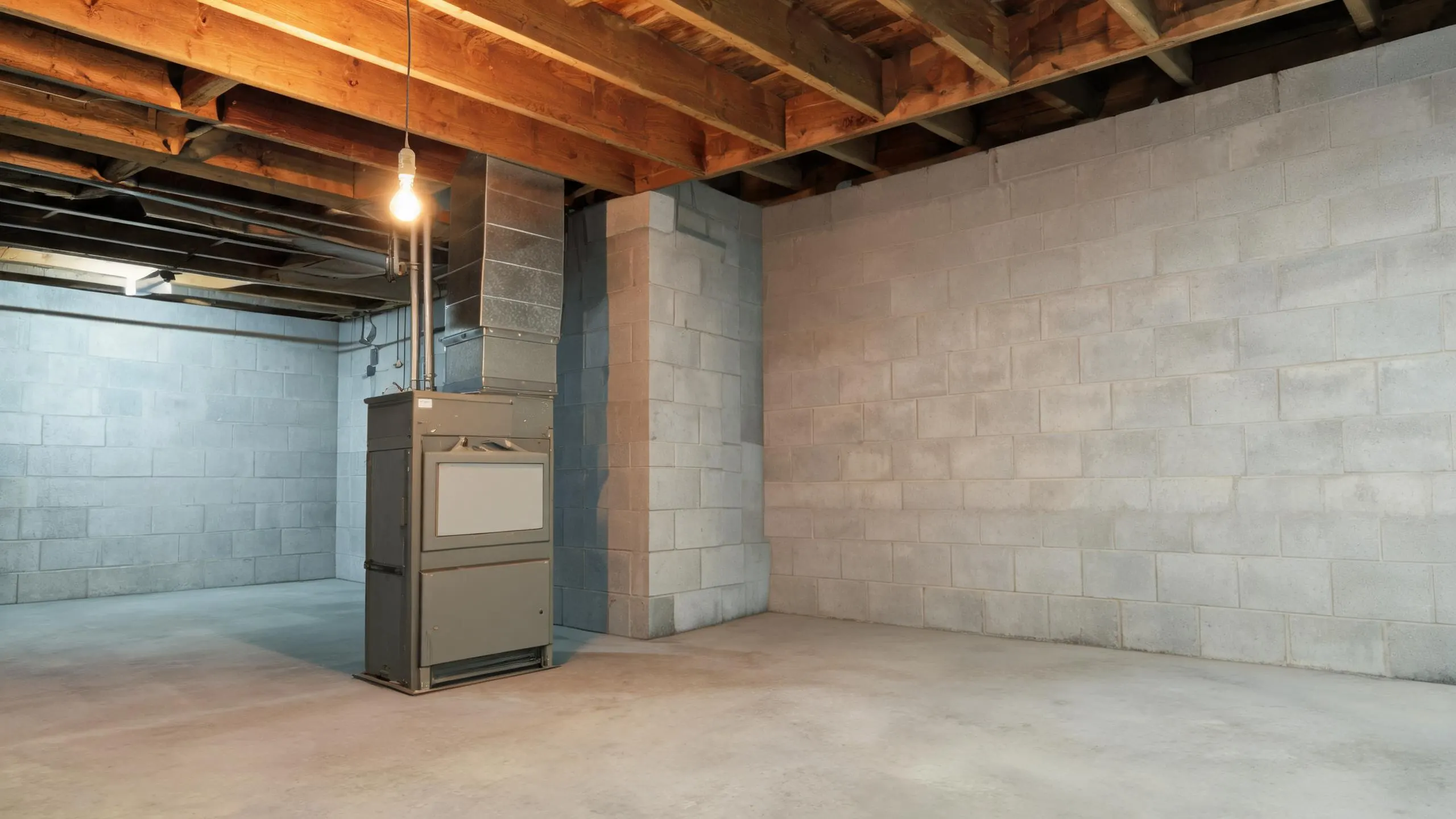
A system built for ten months of heat and two of cooling
Winter nights in Johnson County average 14°F from December through February, and homes here need heat from September through June. That is ten months of the year the furnace has to work, most of it in real cold. A new system has to be sized for those nights, not for the mild days on either side of them.
Summer asks less of the system. Cooling only runs July and August, with afternoons averaging 80°F, so the air conditioner does far less work over a year than the furnace does. Still, the furnace and the coil are matched as a pair, and both have to be right for how differently they get used here. 55.8% of homes in the area heat with gas, and whichever fuel yours runs on, a new install has to meet the federal efficiency minimum for that equipment.
- 10 months
- September through June, your system heats
- 2 months
- July through August, it cools
- 14°F
- the average winter night it heats against
- 80°F
- the average summer afternoon it cools against
NOAA nClimDiv, 1991–2020 normals
- When should I replace my HVAC system?
- Replace your furnace or air conditioner once it is breaking down often, repairs are getting expensive, or it can no longer keep the house comfortable. An older system that struggles on the coldest nights, when temperatures here drop to 14°F, is telling you it is losing the capacity it once had. Rising energy bills on aging equipment are another sign it is working harder to do the same job. A contractor can look at the age and condition of your system and tell you whether repair or replacement makes more sense.
- Should I replace my furnace and air conditioner at the same time?
- If both are old, replacing them together often makes sense, but it depends on the condition of each one. Homes here need heat from September through June and cooling only in July and August, so the furnace does most of the work over a year and tends to wear out first. A furnace and air conditioner installed at different times can end up mismatched, since they are built to work as a pair. A contractor can check the age and condition of both and tell you whether replacing one now and planning for the other later makes more sense than doing both at once.
- What happens during an HVAC installation?
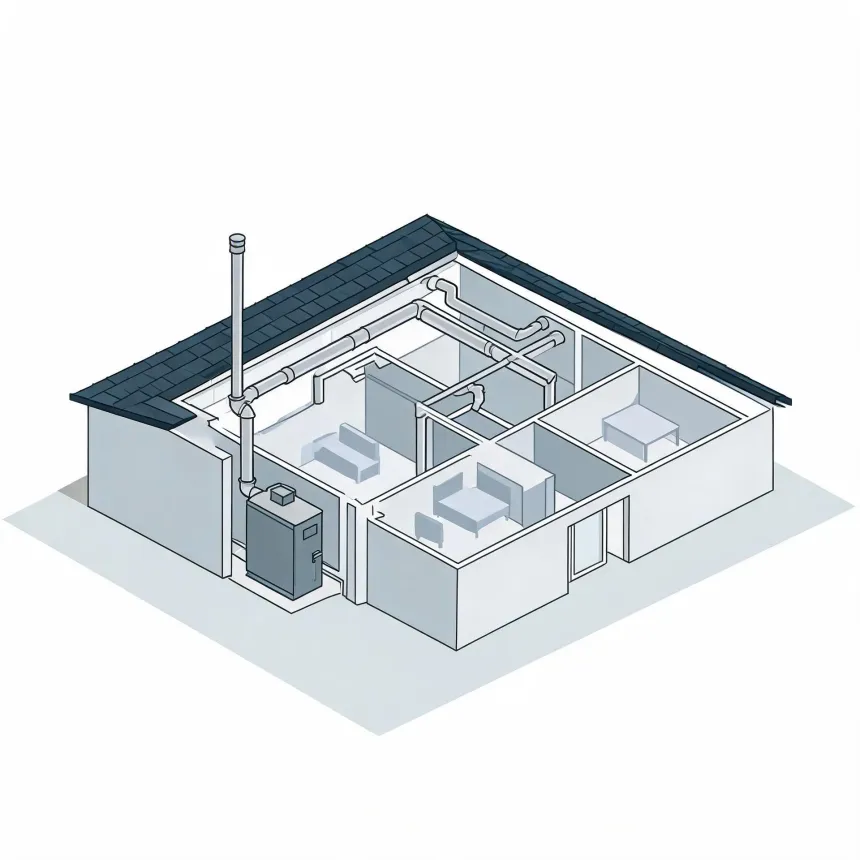
- A contractor removes the old equipment, then sets the new furnace, air conditioner, or both in place and connects them to your ductwork, gas line, electrical, and in some cases a condensate drain. They check that the ductwork is sized right for the new equipment, since the wrong duct setup will keep it from heating or cooling evenly. Once everything is connected, they test it, checking airflow, refrigerant charge, and gas pressure before calling the job done. The exact steps depend on what you are replacing and what your home already has, which is why a contractor needs to see the house before laying out the full job.