
HVAC Installation in Douglas, WY
A new system here will heat from September through June and cool from July through August every year. Tell us about the house, and a licensed contractor who covers Converse County will get in touch.
Tell us about the job
It takes about a minute.
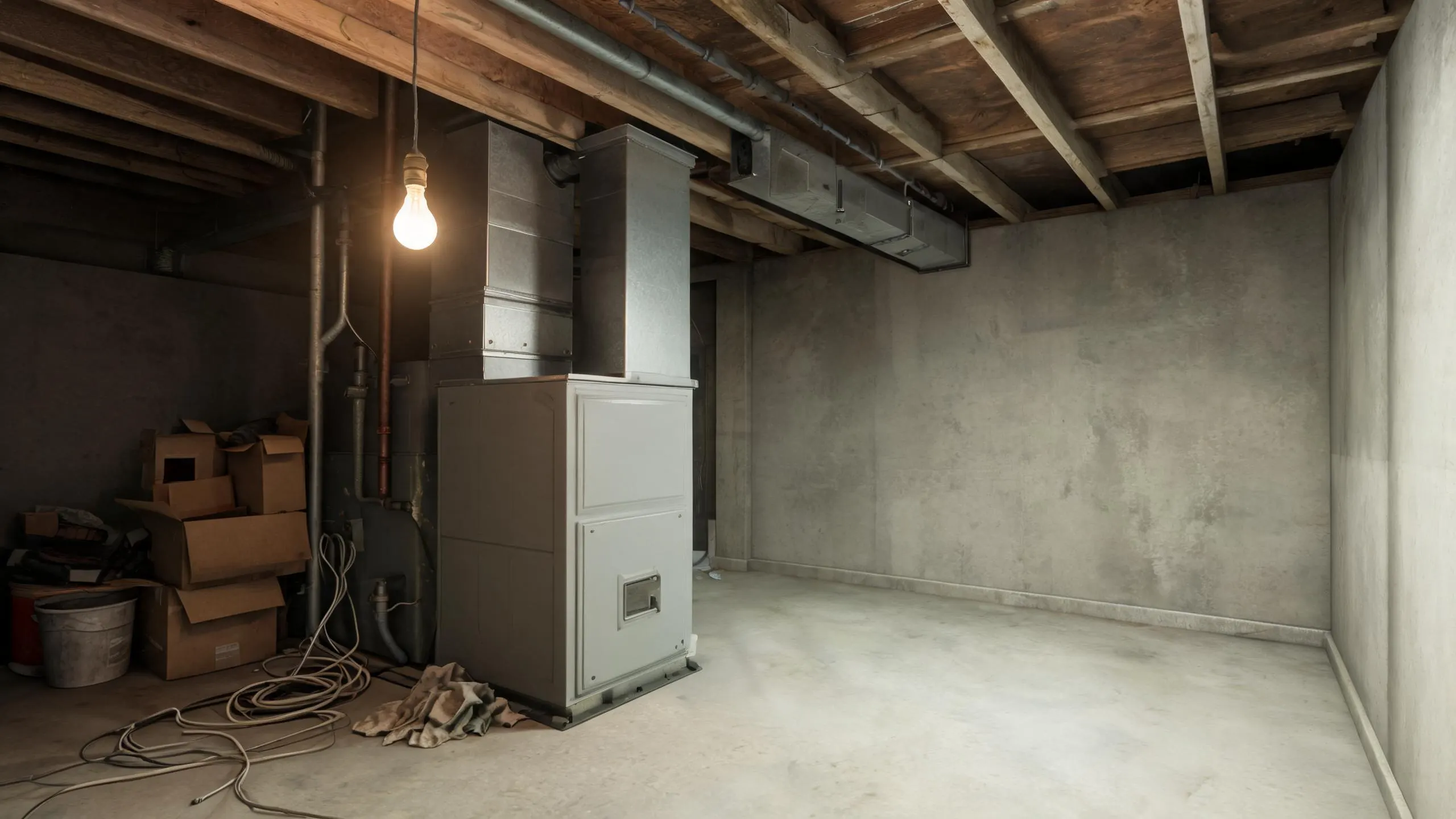
A new system here needs to handle ten months of heat and two of real summer sun
Winter nights in Douglas average 14°F from December through February, and homes need heat from September through June. That is ten months of a furnace or heat pump doing most of the work, with almost no season where it just sits idle.
Summer only asks for two months of cooling, but afternoons still average 82°F in July and August, so the system needs to handle both jobs well, not just one. With storms knocking out power in this state, 8% of Wyoming households lost power for at least a day in 2024, it's worth asking what happens to your new system when the power drops and comes back. Converse County has logged 105 winter storms and 141 damaging wind events over the past ten years, so that is not a rare event here.
- 10 months
- September through June, your system heats
- 2 months
- July through August, it cools
- 14°F
- the average winter night it heats against
- 82°F
- the average summer afternoon it cools against
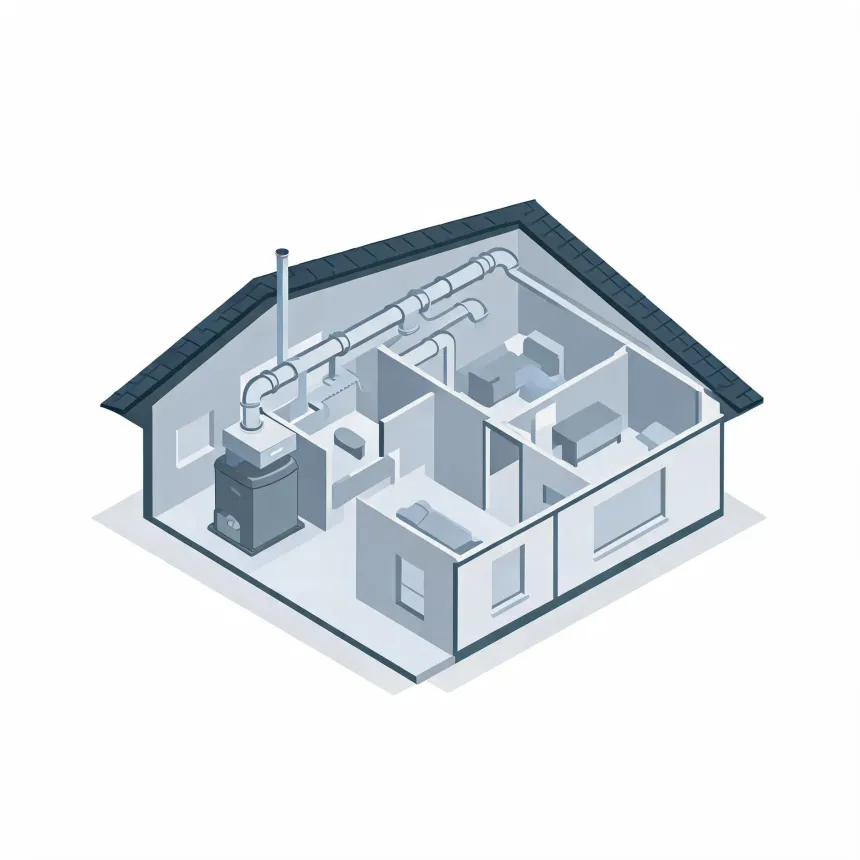
NOAA nClimDiv, 1991–2020 normals
- When should I replace my HVAC system?
- Once it's old and starting to need repeat repairs, replacing it usually makes more sense than fixing it again. Watch for signs like uneven heat between rooms, a furnace that runs longer to reach the same temperature, or repair calls that keep coming back. In Douglas, your furnace runs September through June, so it's under heavy use most of the year and wears accordingly. A system that struggles on a night near 14°F is telling you something worth listening to.
- Should I replace my furnace and air conditioner at the same time?
- If both are old, replacing them together is often the better choice, since a new furnace paired with a worn-out air conditioner still leaves you with a weak link. They share the same blower and often the same ductwork, so matching them keeps the whole system working the way it was designed to. Homes here only need cooling for July and August, so your air conditioner logs far fewer hours than your furnace does over a year. That means it's not unusual for the two to wear at different rates, and a contractor can look at both and tell you honestly whether one or both need replacing.
- What happens during an HVAC installation?
- A contractor removes the old furnace or air conditioner, then sets the new equipment in place and connects it to your ductwork, gas line or electrical, and condensate drain. They check the sizing against your house, since equipment that's too big or too small won't heat or cool evenly. Once it's connected, they test it, checking airflow, temperature rise across the furnace, and refrigerant charge on the air conditioner. The specifics depend on what you're replacing and how your house is set up, so a contractor will walk you through what applies to your system.