
HVAC Installation in Laramie, WY
Tell us about the house, and a licensed contractor who covers Albany County will get in touch.
Tell us about the job
It takes about a minute.
Step 1 of 3: Equipment

Ten months of the year, your system is working
Winter nights in Laramie average 13°F from December through February. That is the load a new furnace has to handle, not just the mild days around it. Homes here need heat from September through June, so the furnace you install is running most of the year, and only a couple of months pass without it.
Summer afternoons average 76°F, so cooling asks much less of the system than heating does. That makes the furnace the main sizing decision, and how well it holds up on the coldest nights matters more than what the air conditioner does the rest of the year.
- 10 months
- September through June, your system heats
- 13°F
- the average winter night it heats against
- 76°F
- the average summer afternoon it cools against
- When should I replace my HVAC system?
- Replace it when repairs get frequent, when it can't keep up, or when it's old enough that a breakdown is a matter of time. A furnace working hard ten months a year here wears faster than one that gets occasional use, so age matters more in Laramie than in a milder climate. If a contractor is telling you the same part is failing again, or your winter heating bills keep climbing, that's your answer even if the unit hasn't fully quit yet. Waiting for a total failure in December, when nights average 13°F, leaves you without heat exactly when you need it most.
- Should I replace my furnace and air conditioner at the same time?
- Most homes here don't need this decision, because Laramie doesn't get cooling season. With summer afternoons averaging 76°F, air conditioning isn't something most houses in this area run at all. If your furnace needs replacing, that's the system to focus on. Where a home does have central air alongside the furnace, replacing both together can make sense if they're the same age and share the same ductwork and blower, but a contractor looking at the actual equipment can tell you whether that applies to your house.
- What happens during an HVAC installation?
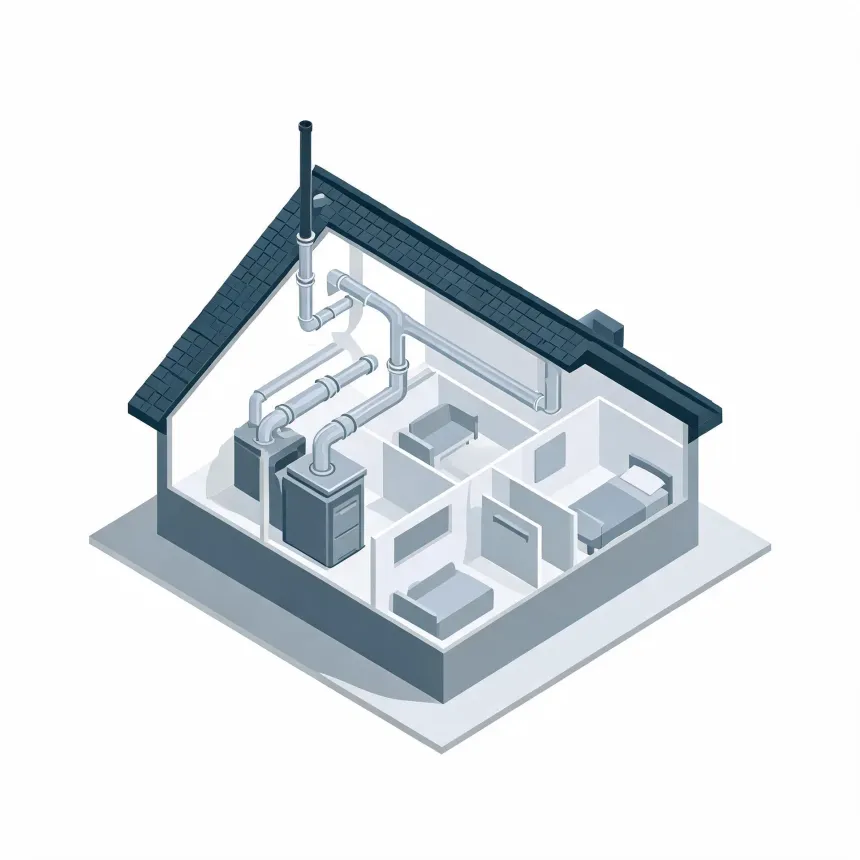
- A contractor removes the old equipment, sets the new furnace or system in place, and connects it to your existing ductwork, gas line, and venting. They'll check that the ducts are sized right for the new unit and seal or adjust connections where needed. Electrical and gas connections get tested, then the system runs through a startup cycle so the contractor can check airflow, temperature rise, and that everything is firing correctly. Homes here need heat from September through June, so the contractor will also confirm the thermostat and controls are working before they leave, since there's little room for a callback once winter sets in.