
HVAC Installation in Rawlins, WY
Tell us about the house, and a licensed contractor who covers Carbon County will get in touch.
Tell us about the job
It takes about a minute.

A furnace that runs ten months a year
Rawlins asks a lot of a heating system. Winter nights average 13°F from December through February, and homes here need heat from September through June, ten months of the year. That is most of the calendar, not just the cold snap around New Year's. A furnace sized and installed right will carry that load without running ragged.
Summer afternoons average 78°F, mild enough that cooling isn't the year-round job heating is. But a new system still has to handle both, and most homes here heat with gas. When you're replacing a furnace or putting in a system that does both jobs, it needs to be sized for ten months of real work, not just the deep cold.
- 10 months
- September through June, your system heats
- 13°F
- the average winter night it heats against
- 78°F
- the average summer afternoon it cools against
- When should I replace my HVAC system?
- Once your furnace is old enough that it needs repairs most winters, replacing it is usually the better bet than keep fixing it. In Rawlins that furnace runs from September through June, ten months a year, so it earns its wear fast. Watch for longer run times, uneven heat room to room, or a repair bill that's climbing toward what a new unit would cost. A contractor can look at the specific system and tell you where it stands.
- Should I replace my furnace and air conditioner at the same time?
- Most homes here don't have much reason to run central air, since summer afternoons average just 78°F. So this is really a furnace question for most Rawlins homeowners. If you do have an AC unit paired with an aging furnace, replacing both at once can make sense because a matched system is easier to install correctly and service later. But if the furnace is the only part failing, there's no reason to replace a working air conditioner just because the furnace needs it.
- What happens during an HVAC installation?
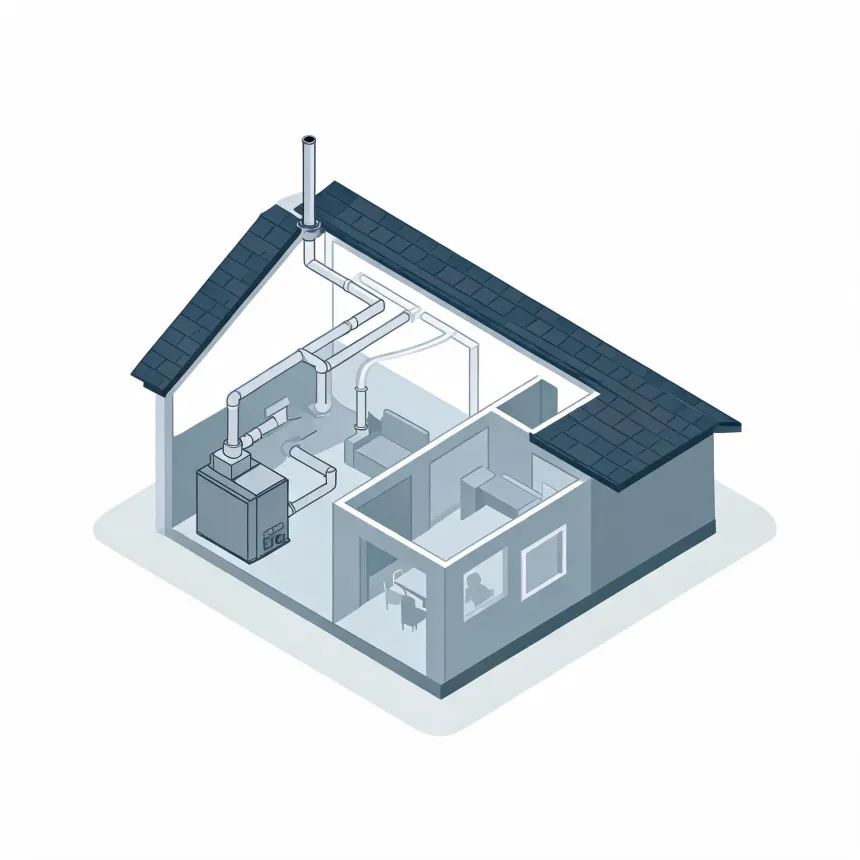
- A contractor first removes the old equipment, then sets the new furnace or system in place and connects it to your ductwork, gas line or electrical, and venting. After that they test it, checking that it fires correctly, moves air through every room, and shuts off the way it should. With most homes here heating with gas, part of that test includes checking the gas connections and venting for a tight, safe seal before the job is called done. The work gets inspected as it goes, not just at the end.