
Furnace Installation in Laramie, WY
A new furnace here will run from September through June every year. Tell us about the house, and a licensed contractor who covers Albany County will get in touch.
Tell us about the job
It takes about a minute.
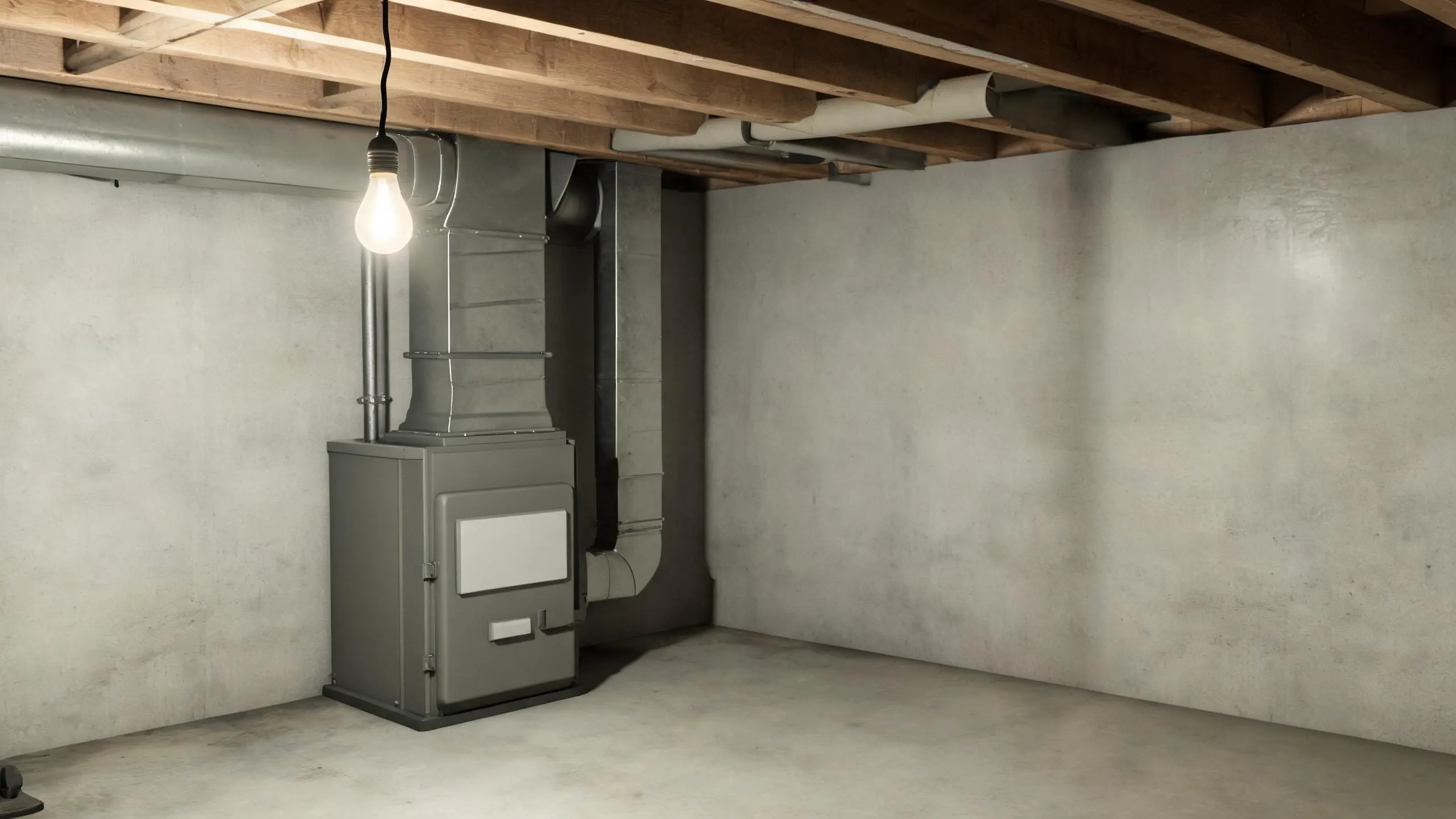
Ten months of heat, and nights near 13 degrees
In Laramie, a furnace isn't a fall and winter machine. Homes here need heat September through June, ten months a year, and winter nights average 13°F. That's the kind of cold a furnace has to hold against for months at a stretch, not just on the worst night of the year.
A new furnace installed here has to be built for that stretch of cold, not a mild version of winter. If it's a gas furnace, federal rules require non-weatherized models to reach at least 80.0 percent AFUE. Albany County also sees its share of winter storms, and with outages leaving some Wyoming households without power for 24 hours or more, a furnace that starts back up on its own when the power returns matters as much as one that runs well while it's on.
- 10 months
- September through June, your furnace is on duty
- 13°F
- the average winter night it heats against
- 56%
- of homes here heat with gas, so most furnaces here burn gas
- 80% AFUE
- the federal minimum any new unit must meet
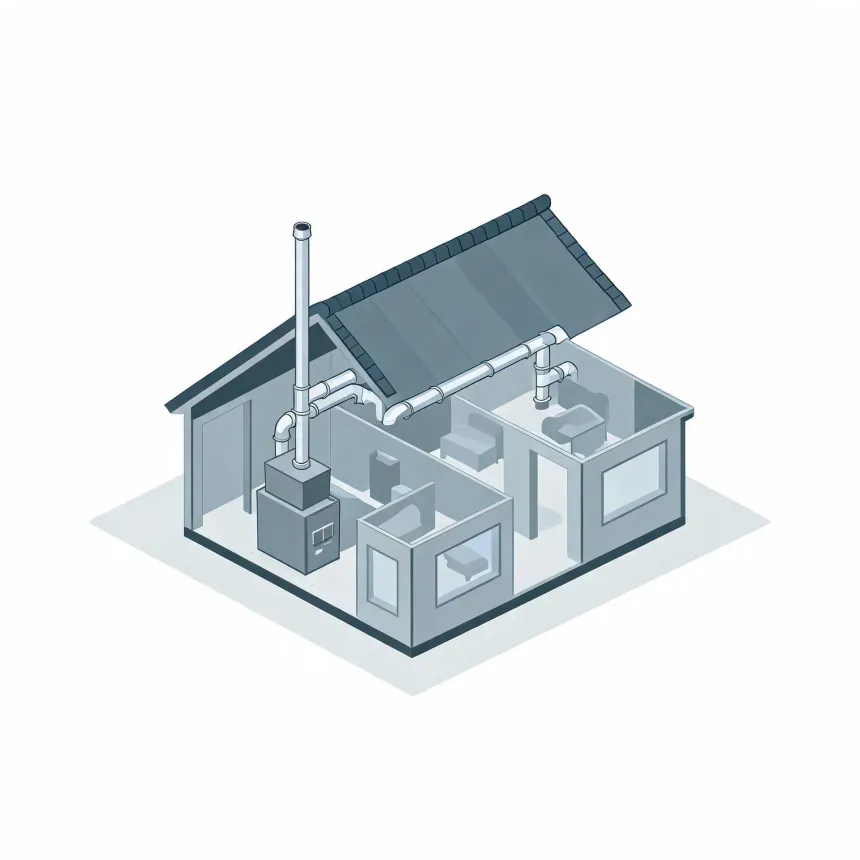
NOAA nClimDiv, 1991–2020 normals
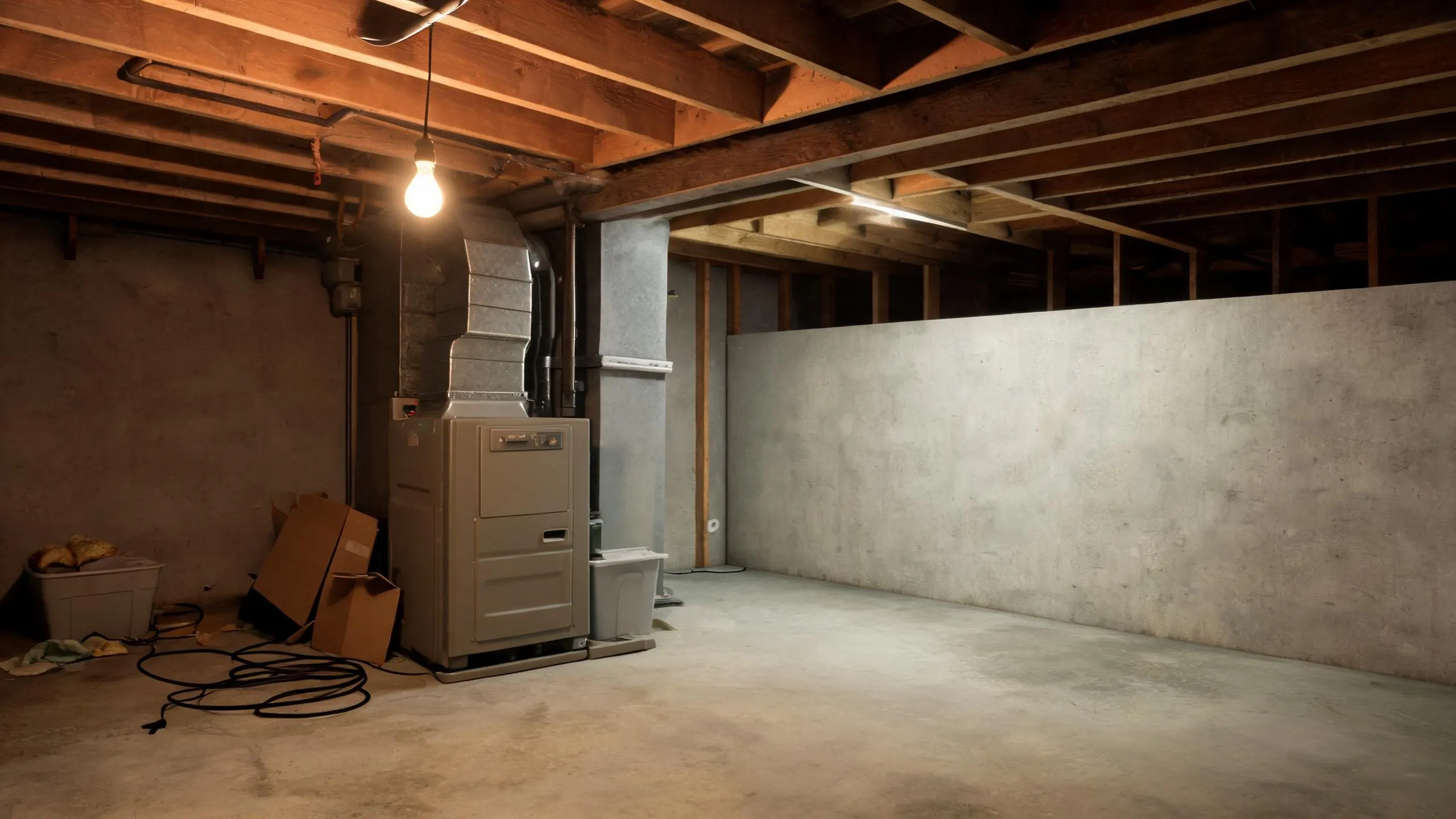
A high-efficiency gas furnace would save about $130 a year to run in Albany County compared with a gas furnace.
Estimates for a typical Albany County home, from EIA household energy data, Wyoming fuel prices and NOAA climate normals. Your home will differ.
- What size furnace does my house need?
- The right size comes from a load calculation, not a guess based on square footage. A contractor measures your walls, windows, insulation, and ceiling height, then figures out how much heat your house loses on the coldest nights. With winter lows here averaging 13°F, a furnace that's too small will run constantly and still fall behind, and one that's too big will short cycle and wear out faster. There's no shortcut that replaces this measurement for your specific house.
- How do I know it's time to replace my furnace?
- Watch for uneven heat, a furnace that runs longer than it used to, or repairs that keep coming back. Homes here need heat ten months a year, from September through June, so a struggling furnace gets very little rest to recover. If yours is cycling on and off more than it used to, or a room that used to heat fine now stays cold, those are signs the unit is losing ground. A contractor can tell you whether what you're seeing is a fixable problem or the furnace reaching the end of its life.
- Is a high-efficiency furnace worth it?
- It depends on how much you run your furnace and what you're replacing. Every non-weatherized gas furnace made after November 2015 has to hit at least 80 percent AFUE, so even a standard new furnace wastes less fuel than an older one. A high-efficiency model pushes that number higher, sending more of the fuel into your house as heat instead of out the flue. With heat needed here ten months out of the year, that difference gets more use than it would somewhere with a short winter. A contractor can walk you through the options for your house and your furnace's venting, since high-efficiency units vent differently than standard ones.