
Dryer Vent Cleaning in Laramie, WY
Tell us about your home, and a licensed contractor who covers Albany County will get in touch.
Tell us about the job
It takes about a minute.

Cold air makes the lint stick
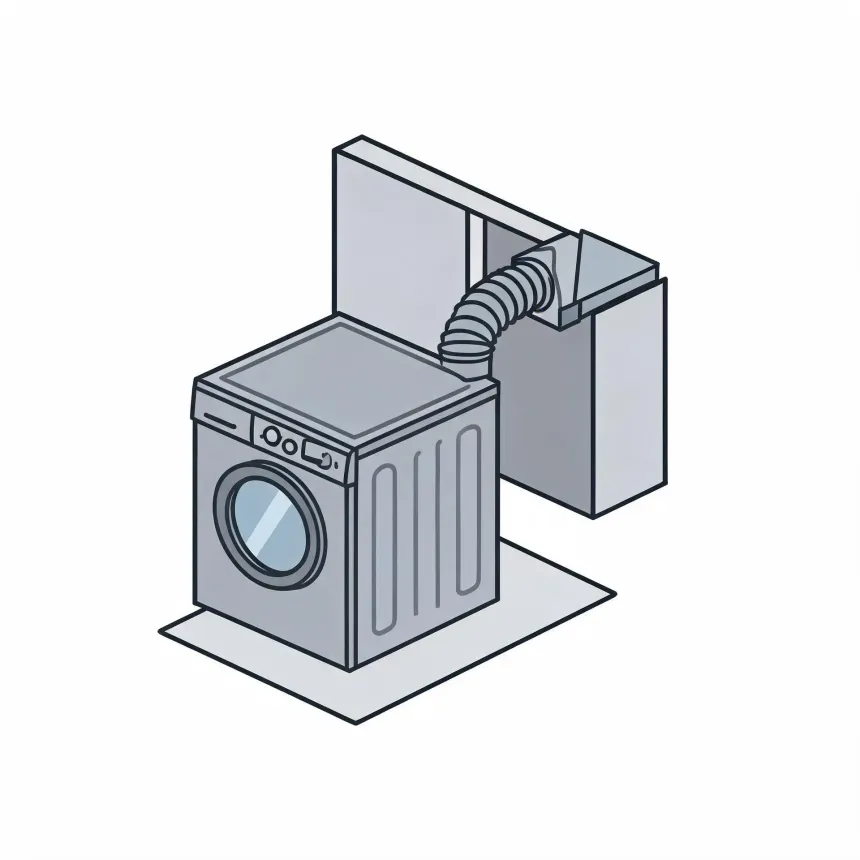
Your dryer pushes warm, damp air out through the vent. Once that air hits the cold metal or plastic duct, it cools fast, and the moisture in it condenses on the walls of the vent. Lint sticks to a damp surface a lot easier than a dry one, so it builds up in layers instead of blowing straight through to the outside hood.
With winter nights averaging 13°F here, that cooling happens fast along most of the vent run, not just near the outside wall. A vent that narrows with packed, damp lint makes the dryer work harder to push air out, and it gives the machine's heat nowhere to go but back into the drum and the space around it.
- 13°F
- the average winter night, and cold vents catch damp lint
- 10 months
- September through June, the vent stays cold
NOAA nClimDiv, 1991–2020 normals
- How often should a dryer vent be cleaned?
- Once a year is the standard most dryer makers recommend. Lint builds up along the duct walls even when the lint trap is clean, and that buildup is what slows the airflow down over time. A vent that runs a long distance to the outside wall or has several bends in it will collect lint faster than a short, straight one, so those setups are worth a closer look between cleanings.
- Can I clean my dryer vent myself?
- You can clean the first few feet behind the dryer yourself, but reaching the rest of the duct takes a brush and rod system long enough to get all the way to the outside vent hood. A shop vac at either end pulls lint from the opening it reaches, not from the middle of the run. If the duct has any bends in it, lint tends to collect right at those turns, and a rod is what gets in there.
- What are the signs of a clogged dryer vent?
- Clothes that need a second cycle to dry, a dryer that runs hotter than usual on the outside, and a burning smell are the clearest signs. Check the vent hood on the outside wall while the dryer runs. If the flap barely lifts or you feel little to no air coming out, the duct is blocked somewhere between the machine and the wall.