
HVAC Repair in Evanston, WY
If your system quits, tell us what it's doing and a licensed contractor who covers Uinta County will get in touch.
Tell us about the job
It takes about a minute.
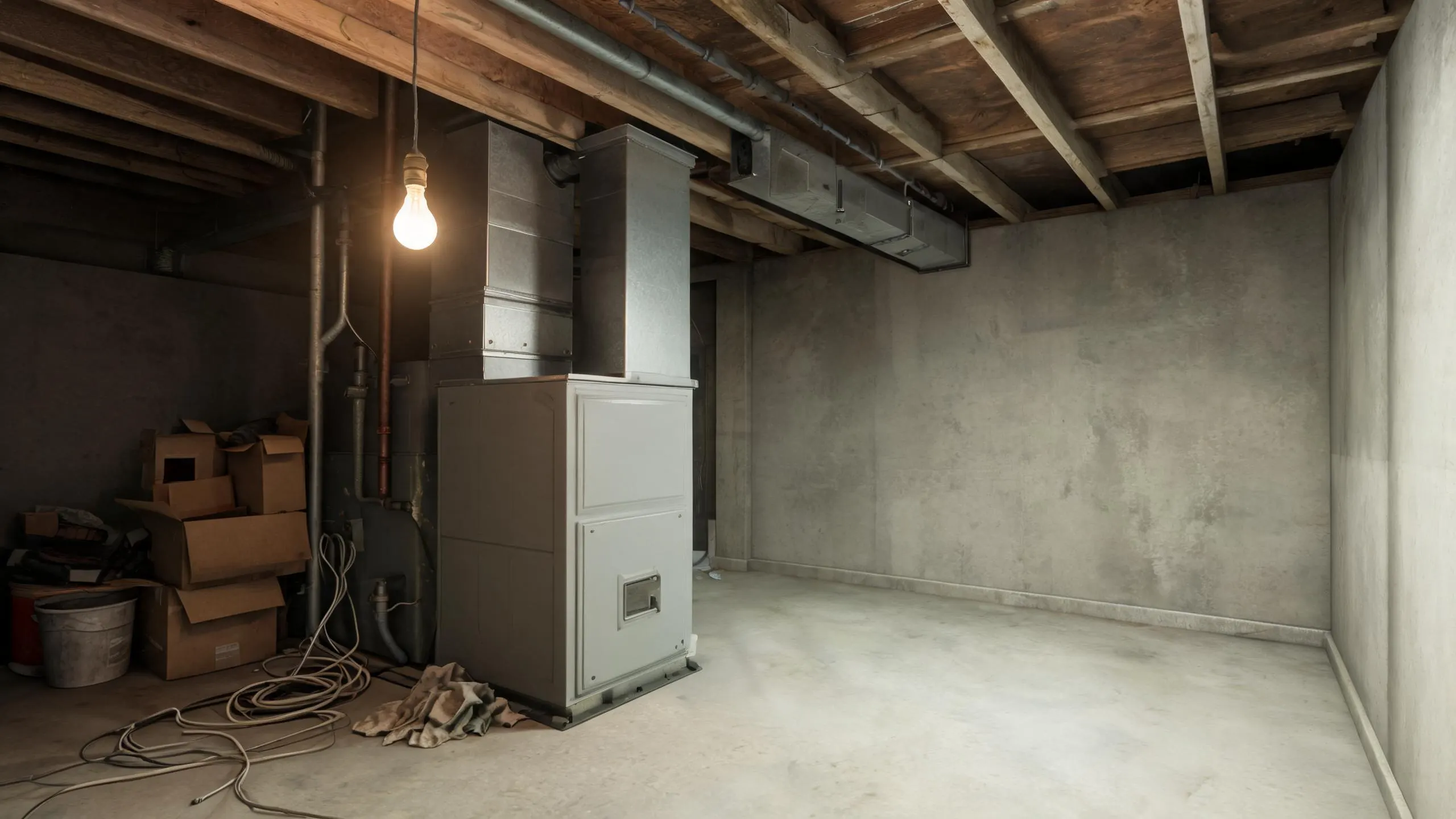
Ten months of heat, almost no rest
Your furnace in Evanston runs from September through June. Winter nights average 10 degrees, so on the coldest nights the burner is lighting and shutting off again and again just to hold the house steady. Each start puts a load on the igniter, and that is usually where an aging furnace fails first, on the coldest night rather than a mild one.
Summer afternoons here average 76 degrees, so the air conditioner barely runs and rarely fails from heat. The bigger risk in Uinta County is wind and winter storms. The area has logged 50 damaging wind events and 10 winter storms over the past ten years, the kind of weather that knocks out power. Most furnaces need electricity to run the blower and controls, so when the power goes, the heat stops with it until power is back.
- 10 months
- September through June, your system heats
- 10°F
- the average winter night it heats against
- 76°F
- the average summer afternoon it cools against
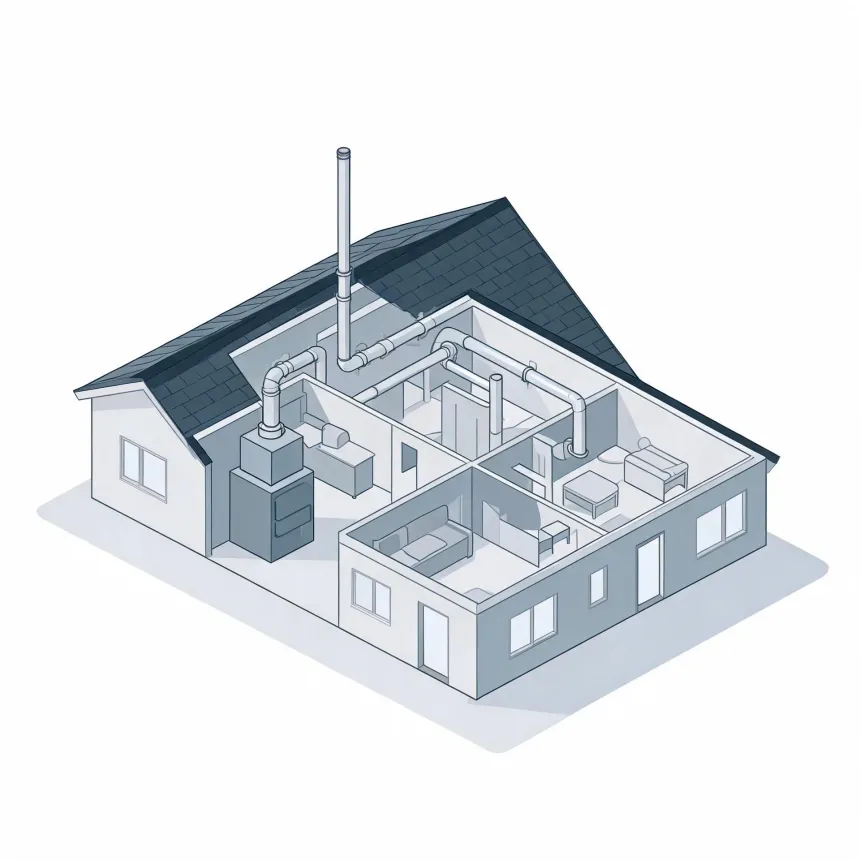

A new furnace and air conditioner would cut about $160 a year off heating and cooling for a typical Uinta County home.
Estimates for a typical Uinta County home, compared with an older unit built to the previous federal minimum, from EIA household energy data, Wyoming fuel prices and NOAA climate normals. Your home will differ.
Repair makes sense when one part has failed.
Replacement makes sense when the furnace's heat exchanger is cracked, the air conditioner's compressor has failed, or repairs keep coming.
- Why is my heat not working?
- Most no-heat calls come down to the thermostat, the igniter, or a safety switch that shut the furnace down. If the thermostat screen is blank, check the batteries first since that alone will stop a call for heat. If the furnace runs for a few seconds then stops, the igniter or flame sensor is the usual cause. Winters here run cold enough that this isn't something to leave for later. A contractor can test which part failed and replace it.
- Why is my system running but not cooling the house?
- If the blower is running but the air coming out isn't cold, the system is short on refrigerant, the coil is frozen, or the outdoor unit isn't running the way it should. A dirty filter can also choke off airflow enough that the house never catches up. Check the filter first since that's the one thing you can rule out yourself. Anything beyond that, from a refrigerant leak to a failing compressor, needs a contractor to diagnose.
- What can I check before calling for HVAC repair?
- Check the thermostat is set correctly and has working batteries, and check the filter isn't clogged. Look at the breaker for the system too, since a tripped breaker will stop a furnace or air conditioner cold with no other warning. If the outdoor unit has a disconnect switch nearby, make sure it hasn't been bumped off. Past that, a contractor has the gauges and test tools to find what a homeowner can't see from the outside.